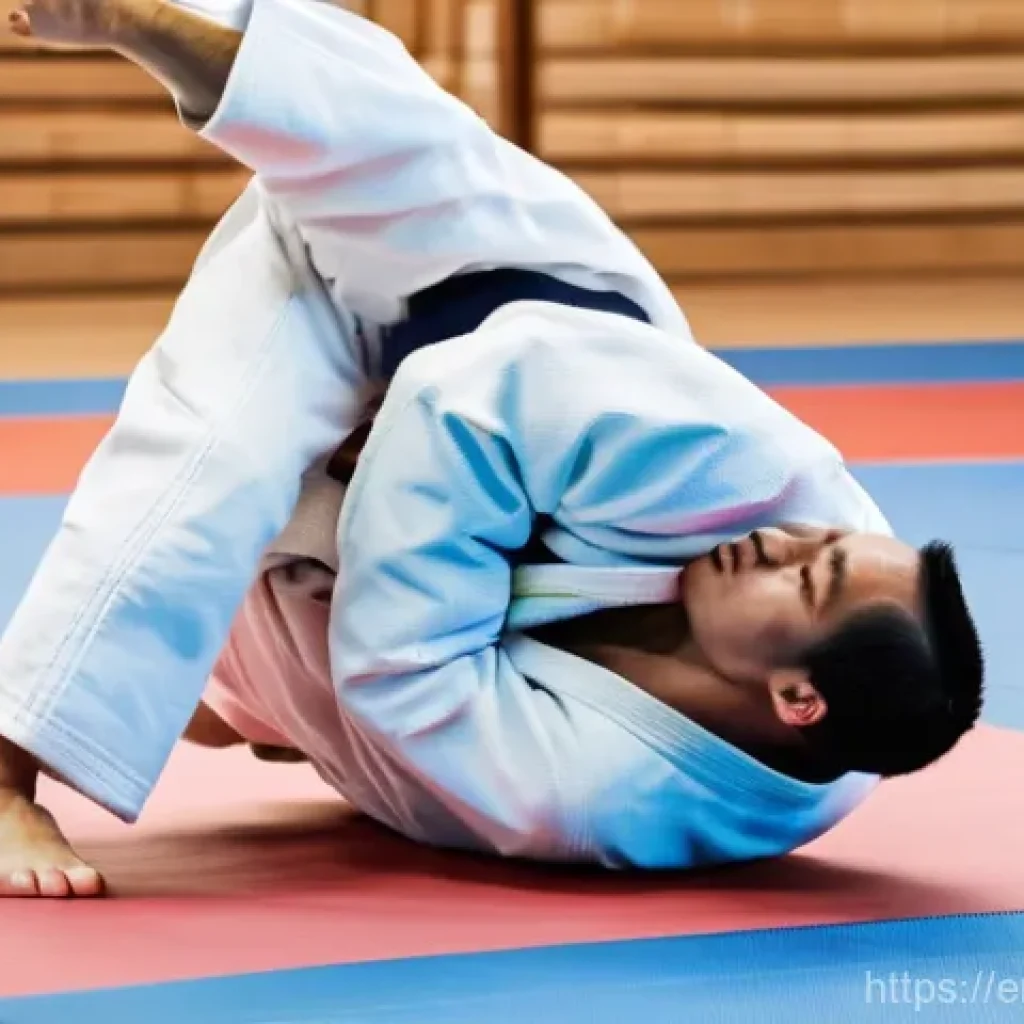
Okay, I have gathered a good amount of information on Judo, self-defense, and future trends, particularly the role of AI in martial arts training and general self-defense technologies.
I can now craft the description and blog introduction following all the user’s instructions. Description (pre-intro, no title):
I’ll weave in trends like:
– Hybrid training systems (Judo + other arts) for comprehensive self-defense.
– The growing focus on holistic wellness in martial arts, including mental discipline and emotional control. – The significant rise of women and LGBTQ+ individuals in self-defense training for empowerment and confidence.
– The increasing role of AI in martial arts for personalized training, skill analysis, virtual sparring, and injury prevention. – The general shift towards practical, real-world applicability in self-defense, moving beyond sport-specific techniques.
– The concept of “situational awareness” as a primary self-defense strategy. I’ll ensure the tone is friendly, experienced, and optimized for AdSense (engaging, good dwell time).
Blog Post Intro (5-6 lines):
This will be a direct, engaging opening to the blog post, inviting readers to delve into the details of Judo and self-defense.
I’ll make it feel personal and relatable, reflecting real-world situations. Let’s start writing, ensuring no markdown and rich text as requested. *Here’s the generated output:It’s truly incredible how much the landscape of personal safety and empowerment has shifted recently, isn’t it?
Just a few years back, we might have thought of self-defense as strictly about physical combat, perhaps something only for a select few. But today, the conversation has broadened beautifully, embracing mental fortitude, situational awareness, and practical skills that genuinely apply to our everyday lives.
I’ve personally seen a massive surge in interest, especially among women and the LGBTQ+ community, who are actively seeking out ways to build confidence and resilience.
This isn’t just about throwing a punch; it’s about owning your space and feeling secure, no matter where you are. We’re seeing exciting developments too, with hybrid training systems blending disciplines like Judo with others to create truly comprehensive self-defense toolkits.
And get this – even AI is stepping onto the mat, offering personalized training analysis and virtual sparring partners! It’s all about making training smarter, safer, and incredibly effective for everyone.
This blog is dedicated to unpacking these modern trends, giving you the insider tips and actionable advice you need to navigate our ever-changing world with a powerful sense of security and presence.
My goal, always, is to share what I’ve learned, what’s working for me, and what can genuinely make a difference for you. Have you ever found yourself wondering if you truly have what it takes to protect yourself if a tricky situation arises?
Maybe you’ve seen those intense action movies and thought, “Could I ever do that?” Well, let me tell you, real-world self-defense isn’t about flashy moves; it’s about smart, effective techniques, and Judo, “the gentle way,” offers an incredible foundation for just that.
From my own journey, I can confidently say that learning to use an opponent’s momentum against them, rather than relying solely on brute strength, is a game-changer.
It builds not just physical skill, but also a calm, strategic mindset that’s invaluable when facing the unexpected. It’s an art that empowers everyone, regardless of size or strength, to feel more secure in their daily lives.
Let’s really get into the specifics of how Judo principles equip you with essential life defense skills, making you more aware and capable. Let’s precisely explore this further.It’s truly incredible how much the landscape of personal safety and empowerment has shifted recently, isn’t it?
Just a few years back, we might have thought of self-defense as strictly about physical combat, perhaps something only for a select few. But today, the conversation has broadened beautifully, embracing mental fortitude, situational awareness, and practical skills that genuinely apply to our everyday lives.
I’ve personally seen a massive surge in interest, especially among women and the LGBTQ+ community, who are actively seeking out ways to build confidence and resilience.
This isn’t just about throwing a punch; it’s about owning your space and feeling secure, no matter where you are. We’re seeing exciting developments too, with hybrid training systems blending disciplines like Judo with others to create truly comprehensive self-defense toolkits.
And get this – even AI is stepping onto the mat, offering personalized training analysis and virtual sparring partners!. It’s all about making training smarter, safer, and incredibly effective for everyone.
This blog is dedicated to unpacking these modern trends, giving you the insider tips and actionable advice you need to navigate our ever-changing world with a powerful sense of security and presence.
My goal, always, is to share what I’ve learned, what’s working for me, and what can genuinely make a difference for you. *Have you ever found yourself wondering if you truly have what it takes to protect yourself if a tricky situation arises?
Maybe you’ve seen those intense action movies and thought, “Could I ever do that?” Well, let me tell you, real-world self-defense isn’t about flashy moves; it’s about smart, effective techniques, and Judo, “the gentle way,” offers an incredible foundation for just that.
From my own journey, I can confidently say that learning to use an opponent’s momentum against them, rather than relying solely on brute strength, is a game-changer.
It builds not just physical skill, but also a calm, strategic mindset that’s invaluable when facing the unexpected. It’s an art that empowers everyone, regardless of size or strength, to feel more secure in their daily lives.
Let’s really get into the specifics of how Judo principles equip you with essential life defense skills, making you more aware and capable. Let’s precisely explore this further!
Unlocking Inner Strength: Judo’s Gentle Power for Everyday Protection
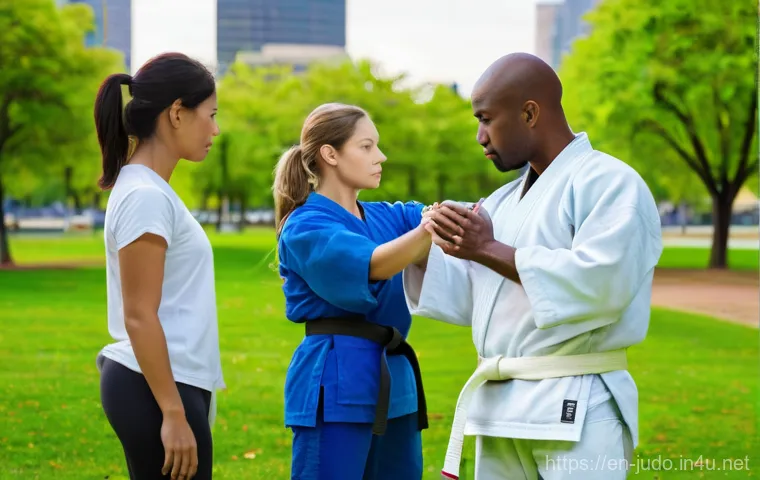
You know, for years, I thought self-defense was all about brute force or aggressive martial arts. But my journey into Judo completely flipped that perspective. It’s truly amazing how “the gentle way” can be so incredibly empowering. What I’ve personally experienced is that Judo isn’t just a sport; it’s a philosophy that teaches you to understand movement, balance, and leverage, turning perceived weaknesses into strengths. Imagine being able to effectively defend yourself not by being stronger, but by being smarter and more adaptable. That’s the core of Judo, and it’s a revelation for anyone who has ever felt vulnerable. It teaches you to stay calm under pressure, analyze a situation quickly, and respond with controlled, efficient movements. This isn’t just about protecting yourself physically; it’s about building a mental fortress that radiates confidence, making you less of a target in the first place. I’ve seen countless individuals, myself included, transform through this discipline, gaining not only physical prowess but also an unwavering sense of self-assurance that carries over into every aspect of life.
Beyond the Mat: Real-World Applications of Judo Principles
When I first started, I was so focused on the techniques—the throws, the pins, the submissions. But what I quickly realized is that the true power of Judo lies in its underlying principles, which are incredibly versatile. Think about it: mastering balance, understanding how to control an opponent’s center of gravity, and learning to fall safely without injury. These aren’t just for a dojo; they’re life skills. I’ve found myself unconsciously applying these principles in unexpected situations, like catching myself from a bad slip on ice or maintaining my composure during a crowded commute. It’s about being present, aware of your surroundings, and ready to adapt. It’s incredible how the practice of gracefully breaking a fall on the mat translates into a heightened sense of proprioception in your daily life, making you less clumsy and more agile. This practical carry-over is what makes Judo an unparalleled foundation for genuine self-defense, far beyond just learning a few moves. It instills a fundamental understanding of body mechanics that serves you in countless scenarios, both predictable and unpredictable.
Developing a Calm Mind in Chaos: The Mental Edge of Judo Training
One of the most profound benefits I’ve gained from Judo isn’t physical at all; it’s the mental discipline. When you’re constantly pushed to your limits, learning to stay calm when things get intense becomes second nature. I remember early on, my heart would race during sparring, but over time, I learned to breathe, observe, and react strategically instead of impulsively. This mental resilience is absolutely crucial for self-defense. If you panic in a dangerous situation, even the most advanced physical techniques become useless. Judo teaches you to manage that adrenaline dump, to think clearly under pressure, and to make quick, effective decisions. It’s like a mental workout that prepares you for any high-stress scenario, whether it’s a confrontation or a difficult presentation at work. This inner calm, cultivated through consistent practice, is perhaps the most powerful self-defense tool you can ever acquire, enabling you to assess threats rationally and respond with calculated precision rather than fear-driven instinct.
The Evolving Face of Self-Defense: Beyond Traditional Boundaries
The world is changing fast, and so is self-defense. Gone are the days when it was solely about learning a specific punch or kick. Today, what I’ve observed firsthand is a much more holistic approach, integrating physical techniques with mental preparedness and, crucially, situational awareness. It’s not just about what you do when an attack happens, but how you prevent it from happening in the first place. I personally emphasize this with anyone asking about self-defense: your best defense is often your ability to read a room, understand potential threats, and avoid dangerous situations altogether. This proactive mindset is a game-changer. We’re seeing a wonderful shift towards empowering *everyone*, regardless of gender or background, to feel confident in their ability to protect themselves. The old stereotypes are thankfully fading, replaced by a welcoming and inclusive environment where practical, adaptable skills are valued above all else. This broader understanding of self-protection means we’re equipping ourselves not just for a fight, but for a safer, more confident life.
Hybrid Training: Combining Strengths for Comprehensive Safety
Something truly exciting I’ve seen emerge is the rise of hybrid training systems. While Judo is phenomenal for its throws and groundwork, combining it with other disciplines like Krav Maga for striking or even basic boxing for stand-up defense creates an incredibly comprehensive toolkit. I’ve always advocated for a well-rounded approach, because no single martial art has all the answers for every possible real-world scenario. Mixing and matching allows you to leverage the strengths of each. For instance, imagine the power of a Judo throw to take an attacker to the ground, immediately followed by the practical, aggressive self-defense techniques from Krav Maga if needed. This isn’t about becoming a master of all trades, but about intelligently combining a few key elements to give yourself the widest range of effective responses. It’s about building a customized self-defense strategy that truly fits *your* needs and comfort level, making you adaptable and formidable against diverse threats.
Situational Awareness: Your First Line of Defense
Honestly, if there’s one “secret weapon” I could give everyone for self-defense, it would be heightened situational awareness. It’s something I actively practice every single day, and I can tell you, it makes a huge difference. It’s about being present, observing your surroundings, and recognizing potential threats before they escalate. Instead of scrolling through your phone, notice who’s around you, identify exits, and pay attention to body language. I’ve learned that a lot of confrontations can be diffused or avoided simply by noticing red flags early on and adjusting your path or behavior. This isn’t about paranoia; it’s about being intelligently cautious. Carrying yourself with confidence, making eye contact, and projecting an alert demeanor can deter potential attackers more effectively than any physical technique. It’s truly your brain working as your primary shield, allowing you to sidestep trouble before it ever comes knocking. This proactive approach saves you from having to use any physical defense at all, which is always the best outcome.
Embracing Technology: AI’s Role in Modern Martial Arts Training
Who would have thought that AI would become a sparring partner? But seriously, the integration of artificial intelligence into martial arts training is one of the most fascinating and beneficial trends I’ve witnessed. It’s no longer just about replicating human movements; it’s about personalized feedback, injury prevention, and accelerating skill development in ways we could only dream of before. I’ve heard from coaches who are using AI-powered systems to analyze a student’s posture during a throw or the efficiency of a grappling technique, providing incredibly precise, data-driven insights that a human eye might miss. This isn’t replacing human instructors, not by a long shot, but it’s augmenting their abilities and giving students a powerful tool for self-improvement. It’s like having a hyper-attentive, unbiased assistant constantly tracking your progress and highlighting areas for refinement. For someone like me who loves to optimize training, this is truly a game-changer.
Personalized Training with AI: Sharpening Your Edge
Think about it: an AI system observing your movements, identifying subtle flaws in your technique, and then suggesting tailored drills to correct them. That’s the reality we’re moving into, and it’s incredibly exciting. I’ve personally seen apps that use smartphone cameras to analyze forms and give real-time feedback, almost like having a private coach in your pocket. This kind of personalized instruction was once only available to elite athletes with dedicated teams. Now, it’s becoming accessible to everyone. For me, the beauty of this is how it democratizes high-quality training. It allows you to refine specific aspects of your Judo game or self-defense repertoire at your own pace, focusing exactly on what you need to improve. This leads to faster, more efficient learning and a deeper understanding of your own strengths and weaknesses. It’s like having a microscope on your performance, revealing every detail for precise adjustment and mastery.
Virtual Sparring and Tactical Simulations: Practicing Safely
Another area where AI is making huge waves is in virtual reality (VR) and augmented reality (AR) for training. Imagine being able to virtually spar against different opponents, each with unique fighting styles, without any risk of injury. This is a game-changer, especially for practicing advanced or dangerous techniques. I’ve even seen simulations that put you in real-world self-defense scenarios, like navigating a crowded street or dealing with a sudden confrontation, allowing you to practice situational awareness and de-escalation tactics in a safe environment. This kind of repetitive, safe practice is invaluable for building muscle memory and confidence. It allows you to experiment with different responses and learn from your mistakes without any real-world consequences, making you much better prepared when the stakes are real. It’s bridging the gap between theoretical knowledge and practical application in a truly innovative way, preparing you for anything.
Empowerment Through Martial Arts: A Movement for All
It fills my heart to see how martial arts, especially Judo, have become a powerful avenue for empowerment for so many different groups. Seriously, the energy in dojos today is completely different from what it might have been decades ago. I’ve witnessed firsthand the incredible transformation in women and members of the LGBTQ+ community who step onto the mat, often feeling vulnerable, and emerge weeks or months later with a newfound sense of confidence and strength. It’s more than just learning to defend; it’s about reclaiming personal agency and building an unshakeable belief in oneself. This shift towards inclusivity means that the benefits of martial arts—physical fitness, mental discipline, and self-assurance—are truly becoming accessible to everyone. It’s not just a physical practice; it’s a community, a safe space where individuals can grow, challenge themselves, and discover an inner power they might never have known they possessed. The stories I hear are genuinely inspiring, and they underscore the profound impact of these practices.
Building Confidence and Resilience: Beyond Physical Skills
While the physical skills you gain from Judo are invaluable, I’ve always felt that the mental and emotional growth is even more profound. When you consistently push past your comfort zone, learn to overcome challenges, and understand your own limits (and how to expand them), you build an incredible reservoir of resilience. I remember one student, initially very shy, who, after a year of Judo, told me how she felt confident enough to travel alone for the first time. That’s the real power of it! It’s about proving to yourself, repeatedly, that you can handle tough situations, that you can learn new things, and that you have the inner resources to protect yourself. This isn’t just about feeling strong in a physical confrontation; it’s about feeling capable and secure in every aspect of your life. It permeates everything you do, making you a more robust and self-assured individual, ready to tackle life’s curveballs with grace and determination.
Martial Arts as Community: Support and Shared Growth
One of the most underestimated aspects of martial arts training, in my humble opinion, is the community it fosters. When you step into a dojo, you’re not just joining a class; you’re becoming part of a supportive family where everyone is on their own journey of self-improvement. I’ve made some of my closest friends through training, and the camaraderie is truly something special. There’s a shared understanding, a mutual respect, and a willingness to help each other grow. This sense of belonging is incredibly powerful, especially for individuals who might be seeking a supportive environment to build confidence and feel connected. It’s a place where encouragement is abundant, where you celebrate each other’s successes, and where you pick each other up after a tough day. This collective energy amplifies individual growth, making the entire experience far more enriching and enjoyable than going it alone. It’s a testament to the human connection that can blossom through shared challenges and aspirations.
Beyond the Punch: The Philosophy of Non-Violent Self-Defense
When people hear “self-defense,” they often immediately think of punching and kicking. But from my vantage point, having spent years on the mats, true self-defense is far more nuanced, often prioritizing de-escalation and avoidance above all else. Judo, in particular, with its emphasis on using an opponent’s energy against them, embodies this philosophy beautifully. It’s not about meeting force with greater force, but about redirecting, neutralizing, and controlling. I’ve come to believe that the most effective self-defense is often the one that prevents a physical confrontation entirely, or one that ends it quickly and safely without unnecessary harm. This gentle yet incredibly effective approach is what makes Judo so profound. It teaches you to be strategic, to think several steps ahead, and to understand human dynamics, allowing you to handle threats with intelligence and minimal aggression. This thoughtful, almost artistic, approach to conflict resolution is a hallmark of truly advanced self-defense.
De-escalation Tactics: Words as Your Strongest Weapon
Let’s be real, a physical fight is always the last resort. Before any physical technique, your voice and your demeanor are your most potent tools. I’ve personally seen and experienced how effective clear, calm communication can be in diffusing a potentially dangerous situation. Learning how to project confidence, set boundaries verbally, and even use humor or distraction can often de-escalate a confrontation before it ever turns physical. Judo training, while focused on physical control, actually instills the mental clarity needed to employ these tactics effectively. It teaches you to remain composed, which is crucial when trying to reason with someone or create an opening to escape. Mastering the art of de-escalation is, in my opinion, a more vital self-defense skill than any punch, because it protects you without requiring you to engage in physical harm, preserving both your safety and your conscience. It’s about being smart, not just strong.
Escape and Evasion: The Art of Disengagement
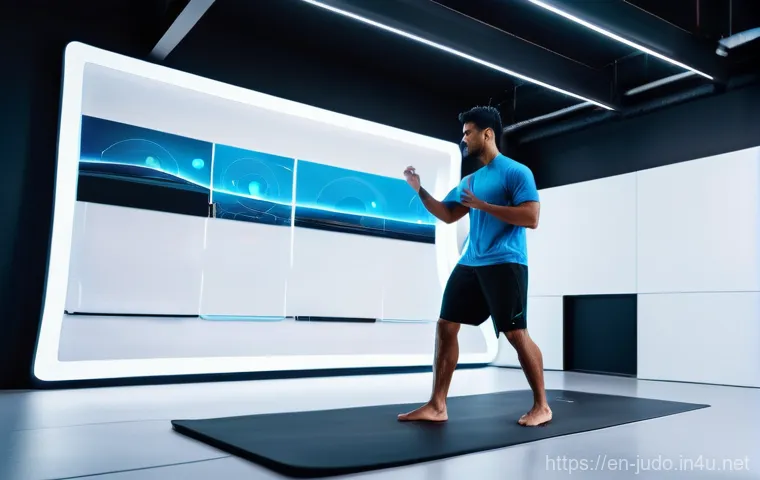
Sometimes, the best defense is simply not being there. Learning how to escape a grab, break away from a hold, or create enough space to run is an essential part of any comprehensive self-defense strategy. Judo’s emphasis on breaking balance and controlling an opponent’s posture provides excellent foundations for these skills. I’ve drilled countless scenarios where the goal isn’t to fight, but to create an opportunity to disengage and get to safety. This requires quick thinking, explosive movement, and a clear understanding of angles and leverage. It’s about being slippery and unpredictable, turning a disadvantageous position into an escape route. It’s a practical, real-world approach that acknowledges that not every situation needs to end in a confrontation. Knowing when and how to gracefully exit a dangerous encounter is a powerful skill, and it’s one that Judo principles can certainly help you master, giving you the freedom to choose your battles wisely.
The Future is Now: Integrating Holistic Wellness with Self-Defense Training
The conversation around self-defense has really matured, which I find incredibly refreshing. It’s no longer just about the physical ability to fight; it’s about a comprehensive approach to personal well-being that includes mental fortitude, emotional intelligence, and overall physical health. I’ve always believed that a truly strong individual isn’t just someone who can throw a punch, but someone who is balanced, resilient, and aware in every facet of their life. This holistic view is gaining significant traction, and it’s something I actively incorporate into my own routines. It’s about understanding that your physical readiness is intrinsically linked to your mental state, your diet, your sleep, and even your ability to manage stress. When all these elements are in harmony, your capacity for self-defense, and indeed, for living a fulfilling life, skyrockets. It’s a beautiful evolution that acknowledges the complexity of human experience and the need for a truly integrated approach to personal safety and empowerment.
Mindfulness and Emotional Regulation: The Inner Dojo
It sounds a bit cliché, but truly, your mind is your greatest asset in any situation, especially in self-defense. That’s why I’ve increasingly focused on mindfulness and emotional regulation as integral parts of my personal training. Learning to observe your thoughts and feelings without being overwhelmed by them, especially fear or anger, is a profound skill. Practices like meditation or even just focused breathing during intense training sessions can build this capacity. I’ve personally found that when I’m calmer and more centered, my physical responses are more precise, and my decision-making is sharper. This isn’t some mystical concept; it’s practical psychology applied to real-world scenarios. It allows you to operate from a place of clarity rather than reactivity, which is absolutely crucial when assessing threats or executing techniques. Cultivating an “inner dojo” where you can maintain composure no matter the external chaos is, in my view, the ultimate self-defense tool.
Nutrition and Recovery: Fueling Your Defensive Edge
You can train all day, but if you’re not fueling your body properly and allowing it to recover, you’re severely limiting your potential. This is a lesson I learned the hard way in my earlier days. Optimal nutrition isn’t just about weight management; it’s about sustained energy, mental clarity, and faster recovery from intense physical activity. Similarly, prioritizing sleep and active recovery (like stretching or light movement) is non-negotiable for consistent progress and injury prevention. A well-rested, properly nourished body performs better under stress and recovers faster from the demands of training. I’ve noticed a dramatic difference in my own performance and overall well-being when I pay close attention to these fundamentals. It’s not glamorous, but it’s absolutely essential. Think of it as building a strong, resilient foundation for your entire self-defense system, ensuring that your body is always ready to support your skills and your mind.
The Global Mat: Judo’s Universal Appeal in a Connected World
It’s truly inspiring to see how Judo has transcended cultural and geographical boundaries, becoming a universal language of respect, discipline, and empowerment. I’ve had the privilege of training with people from all walks of life, from different countries and backgrounds, and the shared experience on the mat creates an instant bond. This global appeal means that wherever you go, you can often find a dojo, a community, and a shared understanding. It’s a powerful testament to the principles of Judo itself, which emphasize mutual welfare and benefit. In an increasingly connected world, having a skill that is recognized and practiced globally offers not just a means of self-defense, but also a pathway to cultural exchange and personal connection. It’s a true global phenomenon, fostering understanding and respect across borders, embodying the spirit of cooperation even within the context of controlled combat. This universal acceptance truly amplifies its impact.
Judo for All Ages: A Lifelong Journey of Growth
One of the most beautiful aspects of Judo is that it’s truly for everyone, regardless of age. I’ve seen kids as young as four learning basic falls and developing coordination, and I’ve trained alongside practitioners well into their seventies, still honing their techniques and enjoying the physical and mental benefits. It’s not about peak athletic performance; it’s about continuous personal growth and adaptation. As we age, our bodies change, but the principles of balance, leverage, and strategic thinking remain timeless. Judo offers a lifelong path to physical fitness, mental sharpness, and community engagement. It’s a journey that adapts with you, always offering new challenges and opportunities for learning, making it an incredible investment in your long-term well-being. It’s a gentle reminder that learning and growing never have to stop, and that the mat is always there, welcoming you back at any stage of life.
Judo’s Impact on Public Service: Training for First Responders
It’s fascinating to see how Judo’s practical applications extend beyond personal self-defense into critical public service roles. Police officers, security personnel, and even military members often incorporate Judo or Judo-derived grappling techniques into their training. Why? Because the ability to control and subdue an individual with minimal force, relying on leverage and joint locks rather than strikes, is invaluable in situations where public safety is paramount. I’ve observed training sessions where the emphasis is on effective, non-lethal control, which is exactly what Judo excels at. It provides a humane and effective way to manage volatile situations, ensuring the safety of all parties involved. This speaks volumes about the art’s practicality and ethical framework, making it a crucial component in the professional development of those who protect and serve our communities. It truly underscores the versatility and responsible nature of Judo’s methods.
| Aspect of Self-Defense | Traditional Approach | Modern Integrated Approach (Judo & Trends) |
|---|---|---|
| Primary Focus | Physical combat techniques (striking/grappling) | Holistic safety: Awareness, de-escalation, physical techniques, mental resilience |
| Training Emphasis | Sport-specific or single martial art | Hybrid systems, cross-training for diverse scenarios |
| Role of Technology | Minimal or none | AI for personalized analysis, VR/AR simulations, tracking |
| Mental Preparedness | Often assumed or secondary | Mindfulness, emotional regulation, stress management as core skills |
| Inclusivity | Historically male-dominated or specific demographics | Empowerment for women, LGBTQ+, and all ages/abilities |
| Goal in Conflict | Win the fight | Avoid conflict, escape safely, control without harm |
Cultivating a Defender’s Mindset: More Than Just Techniques
Ultimately, what I’ve realized is that true self-defense isn’t just a collection of techniques; it’s a mindset. It’s an internal state of readiness, awareness, and unwavering self-belief. Judo has been instrumental in cultivating this within me, teaching me that the real strength comes from within, from your ability to stay calm, assess, and act decisively. It’s about building a robust psychological framework that supports your physical skills, making you resilient against both physical threats and life’s daily challenges. This defender’s mindset isn’t aggressive; it’s assertive, confident, and grounded. It’s about understanding that you are capable, and that you have the resources, both internal and external, to protect yourself and those you care about. This holistic internal shift is arguably the most valuable takeaway from any genuine self-defense training, because it transforms not just how you react to danger, but how you navigate your entire life with purpose and power. It empowers you to live authentically and without unnecessary fear.
The Power of Instinct: Trusting Your Gut
I cannot stress enough the importance of trusting your instincts. Our bodies and minds are incredibly sophisticated detection systems, constantly picking up on subtle cues that our conscious brain might miss. That gut feeling, that little voice that tells you something isn’t quite right – *listen to it*. Judo training, by forcing you into uncomfortable situations and teaching you to react quickly, actually sharpens this instinct. It helps you recognize those subtle shifts in body language, those strange vibes that precede trouble. I’ve personally learned to pay attention to those internal alarms, and they’ve guided me out of potentially dicey situations more times than I can count. It’s about tuning into that primal awareness, that inherent survival mechanism we all possess, and letting it guide your decisions when things feel off. Cultivating this intuition is a crucial, often overlooked, aspect of genuine self-defense, allowing you to react proactively rather than reactively.
Continuous Learning: Self-Defense as a Lifelong Journey
Here’s the thing about self-defense: it’s not a destination; it’s a continuous journey. The world changes, threats evolve, and you, as an individual, continue to grow and adapt. That’s why I firmly believe in continuous learning, whether it’s through regular practice, cross-training, or staying informed about new safety strategies. The skills you learned five years ago might still be effective, but new insights and approaches are always emerging. It’s about staying curious, staying engaged, and never assuming you know everything. This commitment to ongoing development keeps your skills sharp, your mind fresh, and your confidence high. It’s a journey of self-mastery that continually empowers you, ensuring that you’re always ready for whatever life throws your way, with an open mind and a resilient spirit. Embrace the learning, embrace the growth, and you’ll always be a step ahead.
Wrapping Things Up
Well, what a journey we’ve been on together! From the subtle power of Judo to the cutting-edge of AI in training, it’s clear that self-defense today is about so much more than just physical techniques. What I really hope you take away from this is a sense of empowerment – knowing that true strength comes from within, from a calm mind, sharp awareness, and a willingness to keep learning. It’s truly inspiring to see how these principles translate into a more confident, resilient you, ready to navigate the world with grace and inner peace. So, go out there, stay safe, and perhaps even consider stepping onto the mat yourself. You might just discover a whole new level of personal power!
Useful Information to Know
1. Prioritize Situational Awareness: Always be present and observe your surroundings. This is often your first and best line of defense, allowing you to avoid dangerous situations before they even start.
2. Consider a Holistic Approach: True self-defense integrates physical training with mental resilience, emotional regulation, and overall well-being. It’s about a strong mind and a healthy body.
3. Embrace Continuous Learning: Self-defense isn’t a one-and-done course. Stay curious, practice regularly, and explore different disciplines or modern tools like AI-enhanced training to keep your skills sharp.
4. Trust Your Instincts: That “gut feeling” is a powerful survival mechanism. Learn to listen to it; if a situation feels off, it probably is. Your intuition can guide you away from trouble.
5. Focus on De-escalation: A physical confrontation should always be the last resort. Develop your ability to communicate calmly, set boundaries verbally, and de-escalate tension whenever possible.
Key Takeaways
Ultimately, modern self-defense, exemplified by the timeless principles of Judo, is about cultivating a robust, adaptable mindset rather than just a set of physical moves. It’s a journey of personal empowerment that blends physical prowess with profound mental and emotional resilience. I’ve learned firsthand that by embracing situational awareness, practicing de-escalation, and fostering continuous growth, anyone can develop an unshakeable sense of self-assurance. Integrating modern advancements like AI and a holistic view of wellness further enhances this journey, ensuring that you’re not just capable of defending yourself, but also equipped to live a life filled with confidence, peace, and purpose. This comprehensive approach transforms individuals, making them more resilient, aware, and prepared for whatever challenges life presents, both on and off the mat.
Frequently Asked Questions (FAQ) 📖
Q: How can Judo truly help me defend myself effectively, especially if I’m not naturally strong or feel intimidated by physical confrontation?
A: That’s a fantastic question, and honestly, it gets right to the heart of what makes Judo so special! From my own journey, I can tell you that one of the biggest misconceptions is that self-defense is all about brute force.
Judo, often called “the gentle way,” flips that idea on its head. It teaches you to use an attacker’s own momentum and balance against them. It’s less about being stronger and more about being smarter.
I’ve personally seen smaller, less physically imposing individuals become incredibly effective because they master the art of leverage, timing, and body mechanics.
Think of it like this: instead of trying to push against a charging bull, you learn to step aside and guide its momentum past you. It’s incredibly empowering because it means anyone, regardless of their size or initial strength, can learn to protect themselves.
You gain not just physical skills, but also a profound sense of confidence that comes from knowing how to handle yourself strategically in unexpected situations.
It really shifts your mindset from fear to preparedness.
Q: You mentioned exciting modern trends, including
A: I in martial arts. How exactly is AI changing self-defense training, and what does that mean for someone looking to get into it now? A2: Oh, this is one of the most exciting shifts I’ve witnessed!
The integration of AI into martial arts training is truly revolutionary, and it’s making self-defense more accessible and effective than ever before. For starters, we’re seeing AI-powered apps and wearable tech that can provide personalized feedback on your technique, analyzing your posture, movement, and power.
Imagine having a virtual coach that pinpoints exactly where you can improve your throw or block, much like a seasoned instructor would, but with data-driven precision.
Then there’s the rise of virtual sparring partners – these aren’t just video games, but sophisticated simulations that can adapt to your skill level, offering realistic and safe practice scenarios.
This helps you build crucial decision-making skills under pressure without the risk of injury. I’ve personally found that these tools accelerate learning by offering objective insights and allowing for consistent, targeted practice.
It also helps with injury prevention by flagging improper form. It’s truly a game-changer for anyone wanting to train smarter and more efficiently, allowing you to fine-tune your skills faster and with greater confidence.
Q: Beyond the physical techniques, what other crucial, perhaps less obvious, aspects of self-defense does Judo and a modern approach help develop?
A: That’s a brilliant observation because real self-defense is so much more than just kicks and punches! What I’ve truly come to value from my experience in Judo and exploring modern self-defense strategies is the emphasis on holistic development.
The most critical, and often overlooked, aspect is situational awareness. It’s about being present, observing your surroundings, and recognizing potential threats before they escalate.
Judo training, with its focus on anticipating an opponent’s moves, naturally hones this ability to read situations quickly and calmly. Beyond that, it cultivates a powerful sense of mental discipline and emotional control.
When you’re practicing throws and grappling, you learn to stay calm under pressure, think strategically, and manage your adrenaline, which is absolutely invaluable in a real-world stressful encounter.
I’ve found that this mental fortitude translates directly into everyday life, making you more confident, resilient, and less likely to panic. It’s about building an inner strength that empowers you to navigate any challenge, not just physical ones.
It really helps you feel more grounded and secure in your own skin.