Alright, fellow martial arts enthusiasts and curious minds! If you’ve ever stepped onto the mat or just admired a Judo practitioner, you’ve probably noticed those distinct belt colors.
But have you ever really stopped to wonder what each one truly signifies beyond just a pretty hue? I remember my early days, a crisp white belt tied around my gi, feeling a mix of excitement and complete bewilderment about the path ahead.

It wasn’t just about learning throws; it was a journey of discipline, respect, and continuous self-improvement. Moving through the ranks isn’t merely about collecting colors; it’s a tangible representation of countless hours of training, the sweat equity invested, and the profound lessons absorbed both on and off the mat.
Each belt marks a significant milestone in your development, not just physically, but mentally and spiritually too. So, if you’re ready to unravel the rich tradition and dedication woven into every single Judo belt, from the humble white to the revered black and beyond, then you’re in the right place.
Let’s accurately explore what each step of this incredible journey truly represents.
The Genesis of a Judoka: Embracing the Pristine White
Every journey has a starting point, and in Judo, that moment often begins with the simplest yet most profound of colors: the white belt. I remember tying that crisp, unblemished strip of cotton around my gi for the very first time.
There was an undeniable rush of excitement, a tangible sense of stepping into something new and challenging, but also a healthy dose of trepidation. It’s not just a piece of fabric; it’s a symbol of purity, of a clean slate, and frankly, a badge of absolute beginner status.
When you wear that white belt, you’re not expected to know anything. You’re there to learn, to absorb, to fall countless times and, crucially, to learn how to fall safely so you can get back up again.
For me, those initial weeks were a whirlwind of new terms – *ukemi* (breakfalls), *osotogari* (major outer reaping throw), *hajime* (begin!) – and feeling incredibly clumsy.
It’s a humbling experience, letting go of any preconceived notions and allowing yourself to be guided. This stage isn’t just about physical moves; it’s about cultivating patience, listening intently, and developing a deep respect for your instructors and fellow students.
The white belt phase sets the tone for everything that follows, building the foundational habits and mindset that will serve you throughout your entire Judo career, both on and off the mat.
It truly encapsulates the spirit of “beginner’s mind,” urging you to approach every practice with an openness to learn.
First Steps: Mastering the Art of Falling
The first thing you learn in Judo, even before attempting a single throw, is how to fall. This might sound counterintuitive, but it’s absolutely essential.
I vividly recall my sensei emphasizing *ukemi* over and over again. It wasn’t about being tough; it was about being smart and protecting yourself. Learning to breakfall – backward, sideways, forward – instills a fundamental understanding of body mechanics and spatial awareness.
For me, getting over the initial fear of hitting the mat was a huge mental hurdle. But once I started to trust the technique, and more importantly, my own body, it became incredibly liberating.
It’s a powerful lesson in resilience; you fall, you absorb the impact, and you get right back up, ready for the next challenge. This early focus on safety and self-preservation builds a unique kind of confidence that permeates every other aspect of your training.
Cultivating Discipline and Respect
Beyond the physical drills, the white belt phase is heavily focused on instilling core values. I quickly learned that Judo wasn’t just a sport; it was a way of life, steeped in tradition and etiquette.
Bowing to the mat, to your sensei, and to your training partners isn’t just a formality; it’s a profound expression of respect and gratitude. I found that this constant emphasis on courtesy and discipline subtly reshaped my approach to everyday life.
Suddenly, I was more mindful of my posture, more attentive when others spoke, and more committed to following through on my responsibilities. It’s in these initial stages that you truly begin to understand that the “gentle way” (Judo’s literal translation) extends far beyond the physical techniques, influencing your character in profound ways.
Building Solid Foundations: The Journey Through the Kyu Ranks
As you move beyond the white belt, you begin to enter the colorful world of the Kyu ranks, starting typically with yellow, then orange, green, blue, and finally brown.
This is where the real work of building a comprehensive skillset begins, and honestly, this period was some of the most challenging but also the most rewarding for me.
Each new color didn’t just feel like an achievement; it felt like unlocking a new level in a video game, complete with new techniques to learn, principles to grasp, and a deeper understanding of how everything fits together.
I remember the sheer elation of getting my yellow belt – it wasn’t just about knowing a few more throws; it was a recognition of consistent effort and a clear sign that I was progressing.
The Kyu ranks are all about repetition, refining your fundamental throws (*nage-waza*), solidifying your groundwork (*katame-waza*), and starting to understand the intricate connections between techniques.
You’re essentially building a robust library of moves and, more importantly, learning when and how to apply them effectively. This phase demands not just physical exertion but also mental fortitude, as you grapple with complex movements and try to anticipate your opponent’s actions.
It’s a period of intense growth where mistakes are not just tolerated but actively encouraged as learning opportunities.
Decoding the Colors: A Path of Incremental Learning
Each Kyu belt color represents a specific curriculum and a measurable increase in proficiency. For example, moving from yellow to orange might involve adding hip throws like *harai goshi* and more intricate pins to your repertoire.
I found that each belt test wasn’t just about demonstrating techniques; it was about showing understanding, applying principles like *kuzushi* (off-balancing) and *tsukuri* (entry), and executing moves with increasing fluidity.
The journey through these colors is a beautiful illustration of incremental learning – small, consistent steps that eventually lead to significant mastery.
It’s like learning to read; you start with letters, then words, then sentences, building naturally on what came before. The progression provides clear goals and keeps you motivated, constantly striving for that next level of understanding.
The Art of Practice: Drilling and Randori
During the Kyu ranks, the importance of consistent practice truly sinks in. My days were filled with drilling techniques until they felt natural, often to the point of exhaustion.
But it wasn’t just about mindless repetition. It was about *randori*, or free practice, where you get to apply everything you’ve learned in a dynamic, unscripted environment.
I used to dread *randori* initially – it felt like a constant struggle. However, I soon realized that it was the crucible where theory met reality. It’s where you learn to adapt, to seize opportunities, and to truly feel the rhythm of a grappling exchange.
It also taught me invaluable lessons about timing, distance, and reading my opponent. Each session, win or lose, was a profound learning experience, shaping my reactions and refining my instincts.
The Crucible of Growth: Navigating Intermediate Colors
Moving into the intermediate Kyu ranks, particularly green, blue, and brown, feels like a significant shift in perspective and expectation. It’s no longer just about learning new techniques; it’s about refining the ones you already know, understanding their nuances, and beginning to develop your own unique style of Judo.
I remember feeling a distinct change in my training partners when I reached the green belt. The intensity ratcheted up, and the focus moved from mere execution to efficiency, precision, and strategic thinking.
This is where you start to connect the dots between throws, pins, and submissions, seeing Judo not as a collection of individual moves, but as a flowing, interconnected system.
You begin to anticipate your opponent’s movements more effectively, recognize openings, and set up your own attacks with greater intent. For me, this phase was characterized by a lot of “aha!” moments, where concepts that once seemed abstract suddenly clicked into place during a sparring session.
It’s also a time when you start to take on more responsibility, perhaps helping junior students with their basics, which is a fantastic way to solidify your own understanding.
The brown belt, the final Kyu rank before black, often feels like a rite of passage, a final polishing before entering the realm of true mastery. It’s a period of intense self-reflection on your strengths and weaknesses.
Developing Personal Style and Strategy
One of the most exciting aspects of the intermediate ranks is the emergence of a personal Judo style. As you gain more experience, you naturally gravitate towards certain throws or groundwork techniques that feel more comfortable or effective for your body type and preferences.
I found myself favoring particular types of foot sweeps and shoulder throws, and then working tirelessly to make them my signature moves. This phase is also crucial for developing strategic thinking.
It’s not enough to just know a throw; you need to understand *when* to throw it, how to set it up, and what to do if it fails. I spent countless hours analyzing my *randori* sessions, trying to identify patterns, improve my entries, and anticipate my partners’ counters.
This intellectual engagement with Judo truly elevates the experience beyond pure physicality.
Mentorship and Leading by Example
As an intermediate-ranked judoka, you naturally become a role model for the newer students. I distinctly remember the sense of responsibility that came with helping out the white and yellow belts.
Explaining a technique to someone else forces you to articulate your understanding, which in turn deepens your own knowledge. It’s incredibly rewarding to see someone’s face light up when they finally grasp a concept you’ve been trying to teach them.
This mentorship aspect is a core part of the Judo community, reinforcing the idea of shared growth and collective improvement. It also solidifies your own commitment and dedication to the art, as you embody the values and principles that were taught to you in your earlier stages.
| Belt Color | General Significance | Typical Progression Focus |
|---|---|---|
| White (Shiro Obi) | Beginner, purity, readiness to learn. | Basic etiquette, breakfalls (Ukemi), fundamental postures, first basic throws. |
| Yellow (Kiiro Obi) | First step of knowledge, foundation building. | Expanding on basic throws, understanding Kuzushi (off-balancing), basic pins. |
| Orange (Daidaiiro Obi) | Growing enthusiasm, developing technique. | More complex throws, transitions to groundwork, basic chokes and armlocks. |
| Green (Midori Obi) | Consolidation, intermediate understanding. | Refining core techniques, linking attacks, counter-attacks, deeper groundwork. | Blue (Aoiro Obi) | Advanced proficiency, strategic development. | Advanced combinations, understanding opponent’s reactions, developing personal style. |
| Brown (Chairo Obi) | Senior student, nearing mastery, leadership. | High-level technique refinement, advanced transitions, teaching fundamentals, preparing for black belt. |
The Horizon of Mastery: Earning the Esteemed Black Belt
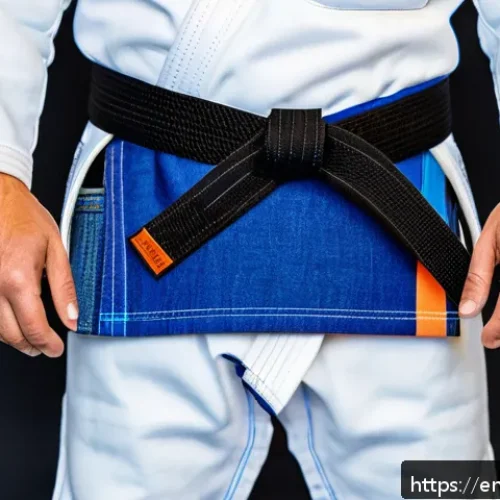
Ah, the black belt. For many, this is the ultimate goal in Judo, a symbol of immense dedication, skill, and perseverance. I can still vividly recall the mix of relief, pride, and an almost overwhelming sense of humility when I finally tied that black belt around my waist.
It wasn’t just a culmination of years of training; it felt like a graduation, but also an initiation into a new, deeper level of understanding. Many outside of martial arts might view the black belt as the end of the journey, the point where you’ve “mastered” everything.
However, any true judoka will tell you that it’s quite the opposite. Earning your *shodan* (first-degree black belt) isn’t the finish line; it’s the beginning of a whole new chapter, a gateway to exploring the art with a refined perspective.
The focus shifts from merely accumulating techniques to understanding the underlying principles with greater depth, applying them intuitively, and starting to contribute more significantly to the Judo community.
It’s a moment that forces you to reflect on all the sweat, tears, and occasional frustrations that led you there, and to appreciate the profound personal transformation that has taken place.
It’s a testament to consistency and an unwavering commitment to self-improvement.
Beyond Technique: The True Spirit of Shodan
While the black belt certainly signifies a high level of technical proficiency, its true meaning extends far beyond that. For me, earning *shodan* was a profound realization that Judo is a lifelong pursuit.
It’s about demonstrating not just physical skill, but also mental fortitude, ethical conduct, and a deep understanding of Judo’s philosophical principles.
It represents consistency in attendance, willingness to help others, and a respectful demeanor both on and off the mat. I realized that the true “mastery” wasn’t about being unbeatable, but about continuously striving for improvement, about facing challenges with grace, and about embodying the spirit of mutual welfare and benefit.
It’s a commitment to being a lifelong student, always learning, always growing, and always pushing your boundaries.
New Responsibilities and Continued Growth
With the black belt comes a new set of responsibilities. You’re now a *sempai* (senior student), often expected to mentor lower-ranked students, assist in teaching, and maintain the standards of the dojo.
This role of leadership is incredibly enriching. I found that teaching fundamental techniques to beginners helped me to revisit and refine my own understanding.
It forces you to articulate concepts clearly and to identify the subtle nuances that you might otherwise take for granted. This continued engagement with the basics, viewed through the lens of a black belt, deepens your appreciation for the art and solidifies your own foundation.
The journey doesn’t stop; it merely evolves, inviting you to explore higher *dan* ranks and to contribute to the art in new and meaningful ways.
Beyond Black: The Pursuit of True Wisdom
Once you’ve achieved the esteemed black belt, the journey in Judo truly takes on another dimension. It’s a common misconception that getting your black belt means you’ve “finished” Judo.
In reality, it’s just the beginning of the next, perhaps even more profound, phase of your development. The black belt itself has various degrees, known as *dan* ranks, from *shodan* (1st dan) all the way up to *judan* (10th dan).
I’ve observed that as practitioners move through these higher *dan* levels, the focus shifts increasingly from the physical execution of techniques to the deeper philosophical and theoretical underpinnings of Judo.
It becomes less about demonstrating raw power or speed, and more about grace, efficiency, and a deep understanding of timing and leverage. This is where you see the true artistry of Judo unfold, often with less overt effort but with incredible precision and effectiveness.
It’s a continuous quest for refinement, not just of technique, but of character and understanding. For those who dedicate themselves to these higher levels, Judo becomes a way of life, influencing every decision and interaction.
The Evolution of Mastery: Dan Ranks
The progression through *dan* ranks signifies an ever-deepening understanding and mastery of Judo. I’ve witnessed higher *dan* grades demonstrate techniques with such subtle precision that it almost looks effortless.
This isn’t magic; it’s the result of decades of dedicated practice, constant self-reflection, and a profound understanding of Judo’s principles, particularly *Seiryoku Zenyo* (maximum efficiency with minimum effort) and *Jita Kyoei* (mutual welfare and benefit).
The higher you go, the more you become a living embodiment of these principles. It’s a journey that demands unwavering commitment and an insatiable curiosity, pushing you to constantly question, experiment, and refine your approach to every aspect of the art.
These ranks are not just about personal skill; they also acknowledge a judoka’s contributions to the art through teaching, leadership, and philosophical insights.
Judo as a Lifelong Philosophy
At the higher *dan* levels, Judo transcends being merely a martial art or sport; it becomes a profound philosophy for life. I’ve had the privilege of training under senseis who hold very high *dan* ranks, and their approach to Judo permeates their entire being.
They demonstrate incredible calm under pressure, an uncanny ability to adapt to any situation, and a deep sense of respect and empathy for everyone they encounter.
It’s not just about throwing an opponent; it’s about understanding human nature, about using intelligence over brute force, and about fostering harmony.
For me, this is the ultimate appeal of Judo – the realization that the lessons learned on the mat are universally applicable, helping you navigate the complexities of life with greater wisdom and resilience.
It’s truly a path of continuous self-discovery.
More Than Just a Belt: The Philosophy Woven Into Every Knot
It’s easy to look at a Judo belt and see only a piece of colored fabric, a simple indicator of rank. But from my years on the mat, I can tell you unequivocally that it’s so much more than that.
Each belt, from the pristine white to the deep black and beyond, is imbued with layers of philosophy, personal history, and the collective spirit of countless hours of dedication.
It’s a tangible representation of every fall, every successful throw, every moment of frustration, and every surge of triumph. When you tie your belt, you’re not just securing your gi; you’re symbolically embracing the principles of Judo itself.
You’re acknowledging the lineage of knowledge passed down from Kano Jigoro, the founder, and committing to uphold the values of respect, discipline, and continuous self-improvement.
I’ve seen belts that are faded, frayed, and held together with thread, and those are often the ones that tell the richest stories – tales of unwavering commitment and a profound journey.
The belt becomes an extension of your spirit, absorbing your efforts and reflecting your growth. It’s a constant, silent reminder of where you’ve come from and where you’re striving to go.
The Silent Language of Dedication
What often goes unnoticed by outsiders is the immense dedication that each belt represents. It’s not just about showing up; it’s about showing up consistently, day after day, year after year, even when you’re tired, sore, or feeling discouraged.
I recall training through minor injuries, pushing past mental blocks, and spending extra time after class to refine a particular technique. These are the unseen efforts that weave themselves into the fabric of your belt.
It’s a silent testament to your perseverance, your grit, and your unwavering passion for the art. The belt doesn’t just symbolize what you *know*; it symbolizes what you’ve *done* and the unwavering commitment you’ve demonstrated to your craft.
It speaks volumes about your character without you having to utter a single word.
Embodying Judo’s Core Principles
Ultimately, the color of your belt is a reflection of how deeply you’ve integrated Judo’s core principles into your practice and your life. Beyond the techniques, Judo is about two fundamental concepts: *Seiryoku Zenyo* (maximum efficiency with minimum effort) and *Jita Kyoei* (mutual welfare and benefit).
As you progress, you learn to embody these principles not just in your throws and groundwork, but in your interactions, your problem-solving, and your approach to challenges.
The belt, therefore, serves as a constant reminder to strive for efficiency in all endeavors and to always consider the well-being of others. It’s a beautiful system that encourages personal growth hand-in-hand with communal responsibility, transforming not just your physical abilities but your entire perspective on life.
Wrapping Things Up
As we’ve explored the profound journey through Judo’s belt system, it becomes abundantly clear that these colored strips of fabric are far more than mere indicators of rank. They are tangible symbols of countless hours of sweat, dedication, and unwavering commitment. For me, each belt I’ve earned represents a chapter in my personal growth story, marking not just technical achievements but also significant shifts in understanding, resilience, and character. It’s a testament to the belief that true mastery isn’t a destination, but a continuous, enriching path. This martial art isn’t just about learning how to throw or grapple; it’s about learning how to approach life with discipline, respect, and a tireless pursuit of self-improvement.
The beauty of the Judo journey lies in its endless opportunities for learning. Whether you’re just tying that first white belt or proudly wearing a seasoned black belt, the mat offers a space for constant discovery, pushing your physical and mental limits. I’ve personally found that the lessons learned during intense randori sessions or while meticulously drilling a new technique often spill over into my daily life, helping me navigate challenges with greater composure and strategic thought. It’s a truly transformative experience that extends far beyond the walls of the dojo, shaping who you are at your core. The belt, in essence, is a silent partner in this lifelong adventure, a constant reminder of the journey’s depth and the wisdom it imparts.
Every Judoka’s journey is uniquely their own, filled with individual triumphs, setbacks, and moments of profound insight. Yet, the underlying principles of mutual welfare and maximum efficiency unite us all, forming a global community bound by respect and a shared passion for this incredible art. I sincerely hope that my own experiences and observations have shed some light on the rich tapestry that is the Judo belt system, perhaps inspiring some of you to take that first step onto the mat or to deepen your own practice. Remember, the true value isn’t just in the color of the belt, but in the person you become while earning it. It’s about the philosophy woven into every knot, the discipline forged in every fall, and the camaraderie built with every partner you train alongside. This martial art is a gift that keeps on giving, fostering growth in every facet of life, and I wouldn’t trade my journey for anything.
Valuable Insights for Your Judo Journey
1. Consistency is Key: The most impactful progress in Judo comes from consistent attendance and effort, not just sporadic bursts of intense training. Showing up regularly, even when you’re tired, builds momentum and solidifies your learning over time. It’s truly a marathon, not a sprint.
2. Embrace the Falls: Learning how to fall safely (*ukemi*) is arguably the most crucial skill in Judo. Don’t shy away from it; actively practice your breakfalls. Trust me, your body will thank you, and it will give you the confidence to attempt more techniques without fear.
3. Listen to Your Sensei: Your instructors have years, often decades, of experience. Pay close attention to their feedback, even if it feels critical. They see things you don’t and are guiding you to improve. This mentorship is invaluable for accelerating your progress.
4. Train with Everyone: Don’t just stick to training with people at your own level or who you find easy. Actively seek out partners who are more experienced, different body types, or have different styles. Each unique partner offers a new learning opportunity and helps you adapt your techniques.
5. Understand the “Why”: Beyond just memorizing techniques, try to grasp the underlying principles behind each move. Why does *kuzushi* (off-balancing) work? How does leverage apply here? Understanding the “why” will allow you to adapt techniques more effectively and apply them in various situations, truly elevating your game.
Summing Up the Essentials
In essence, the Judo belt system is a beautifully structured path of continuous learning and personal development. From the foundational lessons of the white belt to the profound wisdom embodied by the higher *dan* ranks, each stage offers unique challenges and opportunities for growth. It’s a journey that emphasizes not just physical prowess, but also discipline, respect, and the cultivation of a resilient spirit. What I’ve come to appreciate most is that the true value isn’t merely in the rank achieved, but in the unwavering commitment to self-improvement and the deep understanding of Judo’s core philosophies that are woven into every step of the process. It’s a lifelong endeavor that transforms both mind and body, making you a more thoughtful, efficient, and respectful individual on and off the mat.
Frequently Asked Questions (FAQ) 📖
Q: What’s the real meaning behind the different Judo belt colors, beyond just skill levels?
A: Oh, this is such a fantastic question, and it gets right to the heart of what makes Judo so special! When I first tied that pristine white belt around my waist, I honestly just thought, “Okay, this means I’m a beginner.” But boy, was I wrong, and happily so!
Each belt color in Judo, from the vibrant kyu grades (student ranks) to the esteemed dan grades (black belt and beyond), tells a deeply personal story of growth, dedication, and understanding.
It’s not just a measure of how many throws you can execute or how well you can hold a pin; it’s a visual representation of your journey. The white belt, for instance, isn’t just “beginner”; it symbolizes purity and the empty vessel, ready to be filled with knowledge.
As you progress through yellow, orange, green, blue, and brown, you’re not just learning new techniques; you’re developing your character, your discipline, and your respect for yourself and your training partners.
Each color signifies a deeper understanding of Judo’s principles, a stronger spirit, and a growing ability to apply those lessons both on and off the mat.
From my own experience, earning each new color wasn’t just about passing a test; it felt like unlocking a new level of self-awareness and pushing past boundaries I didn’t even know I had.
It’s a tangible reminder of all the sweat, the struggles, and the breakthroughs that have shaped you.
Q: How long does it typically take to go from a white belt to a black belt in Judo, and what should I expect during that journey?
A: This is probably one of the most common questions I hear, and for good reason! Everyone dreams of that black belt, right? From what I’ve seen and personally experienced, reaching that coveted 1st Dan black belt in Judo typically takes anywhere from 5 to 10 years of consistent, dedicated training.
Now, I know that might sound like a long time, especially when you’re just starting out and eager to progress! But trust me, every single year, every session, every fall, and every successful throw adds to a foundation that is absolutely priceless.
It’s not a race; it’s a marathon of self-improvement. The journey itself is filled with incredible highs – the joy of mastering a new technique, the camaraderie with your fellow judoka, the sheer satisfaction of a well-executed throw.
But there will also be moments of frustration, plateaus where you feel like you’re not progressing, and maybe even a few bumps and bruises along the way.
I distinctly remember hitting a point in my brown belt training where I felt like I was just spinning my wheels, but pushing through that made the eventual black belt promotion even sweeter.
What you should expect is a profound transformation. You’ll develop incredible physical fitness, mental resilience, strategic thinking, and a deep sense of respect.
It’s truly about who you become during those years, far more than just the color of the belt you eventually tie.
Q: Is reaching a black belt the end of the Judo journey, or is there still more to learn and achieve?
A: Oh, if only! I can tell you firsthand, if you think reaching black belt means you’ve “finished” Judo, you’re in for a wonderful surprise – because the journey truly never ends!
In fact, many seasoned judoka will tell you that the black belt, or “Shodan,” is just the beginning of serious learning. It signifies that you’ve mastered the fundamentals and now possess the foundational knowledge to truly understand and apply Judo’s deeper principles.
It’s like graduating from elementary school and finally being ready for advanced studies! After Shodan, you move through various “Dan” ranks (2nd Dan, 3rd Dan, and so on), each representing increasing levels of expertise, teaching ability, and contribution to the art.
My sensei, who is a 7th Dan, always says that he’s still learning new things every single day, discovering nuances in techniques he’s practiced for decades.
For me, post-black belt training has been about refining my techniques, exploring different variations, and most importantly, giving back to the community by helping instruct newer students.
It’s an incredibly rewarding phase where you not only deepen your own understanding but also contribute to the growth of others. The higher Dan ranks also often involve significant contributions to Judo’s philosophy, teaching methodologies, and even competitive success.
So no, my friend, the black belt is certainly not the finish line; it’s an exhilarating new starting point!