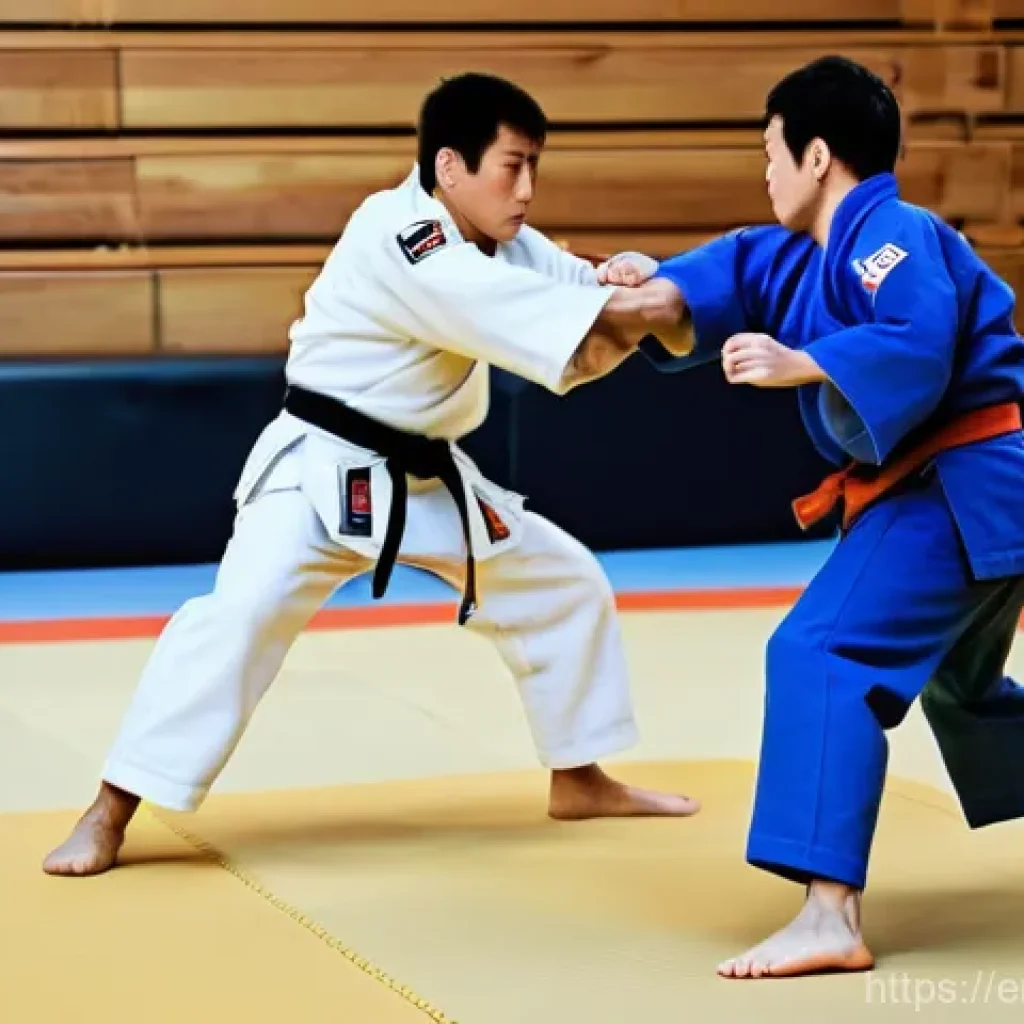
Hey there, martial arts enthusiasts and curious minds! Ever found yourself scratching your head trying to figure out the real difference between Judo and Taekwondo?
It’s a super common question, especially with so many incredible disciplines out there, each offering unique benefits for self-defense, fitness, and mental discipline.
I’ve seen countless people, myself included, wonder which path might be the best fit for their goals, whether it’s for competitive sport, practical self-protection on the streets, or simply a fantastic way to stay in shape and clear your head.
In today’s fast-paced world, finding an activity that grounds you and empowers you is more important than ever, and these two powerhouses definitely deliver.
We’re often bombarded with images of impressive kicks and powerful throws, but knowing the core philosophy and practical application behind them is where the real magic happens.
If you’ve ever felt a bit lost trying to navigate the distinct worlds of these celebrated martial arts, you’re absolutely in the right place. Let’s get into the nitty-gritty and precisely break down what sets Judo and Taekwondo apart, so you can make an informed decision for your own journey.
Unpacking the Core Philosophies: Beyond the Mat and the Ring
When you first step onto a martial arts mat, there’s an immediate sense of purpose, right? But what fuels that purpose really differs between Judo and Taekwondo. I remember my first few Judo classes; it was all about understanding how to use an opponent’s momentum against them, a sort of ‘gentle way’ that emphasized efficiency over brute force. It’s truly fascinating how a smaller person can utterly dominate a larger one just by mastering leverage and timing. This isn’t just theory; I’ve personally seen it happen countless times in sparring sessions, and it’s always a humbling, eye-opening experience. It teaches you to think strategically, always looking for that opening, that subtle shift in weight that gives you the advantage. It’s a philosophy that extends far beyond the dojo, encouraging a calm, analytical approach to challenges in everyday life. For me, it built a foundation of problem-solving that I never anticipated finding in a physical discipline. The beauty of Judo lies in its core principle of *Jita Kyoei* – mutual welfare and benefit – truly striving for improvement for all.
The Art of the Throw: Judo’s Heartbeat
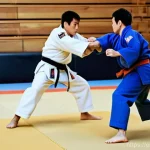
If you’ve ever watched a Judo match, you’ll instantly notice the incredible throws. It’s what defines the art, truly. From powerful hip throws like *O Goshi* to devastating shoulder throws like *Seoi Nage*, the goal is always to unbalance your opponent and bring them to the ground with control and force. I’ve spent countless hours practicing these techniques, drilling them until they feel like second nature. There’s a particular satisfaction in executing a perfect throw, feeling your opponent leave their feet, knowing you’ve applied the principles flawlessly. It’s not just about strength; it’s about timing, footwork, and a deep understanding of body mechanics. This focus on grappling and ground control also extends to submissions – joint locks and chokeholds – which are applied once an opponent is on the mat. These aren’t just techniques; they’re an intricate dance of control and submission, requiring both precision and a strong understanding of anatomy. The whole process is incredibly cerebral, forcing you to think several steps ahead, almost like a physical chess game, and the mental engagement is truly profound.
The Way of the Foot and Fist: Taekwondo’s Dynamic Spirit
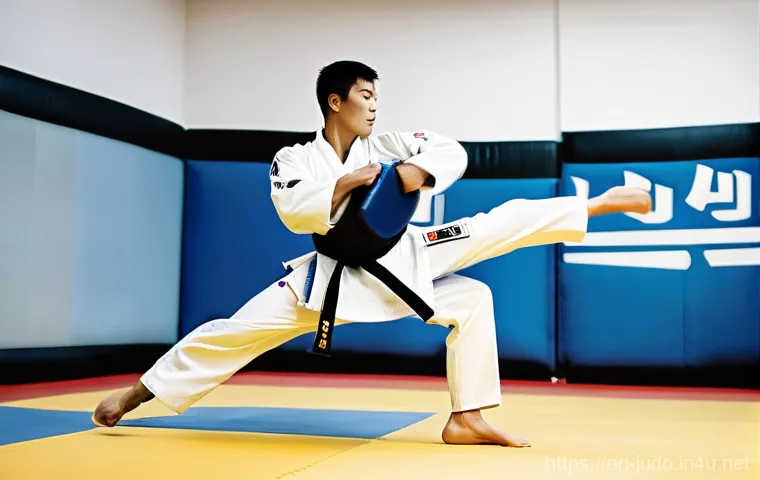
Switching gears to Taekwondo, it’s a whole different vibe. The energy in a Taekwondo *dojang* is electric, full of sharp, explosive movements. My early experiences with Taekwondo were exhilarating because of the sheer power and speed of the kicks. It’s less about engaging in close-quarters grappling and more about maintaining distance and delivering devastating blows, often to the head or body. The emphasis on high, fast kicks, like the iconic spinning heel kick or a lightning-fast roundhouse, is truly what sets it apart. The precision and flexibility required are immense, and I’ve witnessed practitioners perform incredible acrobatic feats that would leave anyone breathless. It’s a martial art that instills incredible discipline in terms of form and execution. Every kick, every punch has a specific angle and trajectory, honed through countless repetitions. While hand techniques are present, the foot reigns supreme, making Taekwondo one of the most visually spectacular martial arts to watch and, I’d argue, one of the most physically demanding for the lower body. The philosophy often emphasizes courtesy, integrity, perseverance, self-control, and an indomitable spirit, principles that resonate deeply and guide practitioners both inside and outside the training hall.
The Battleground: Where the Action Unfolds in Each Discipline
If you’re anything like me, you’ve probably imagined what a match in each of these martial arts looks like. Well, let me tell you, the experience is distinctly different! When I watch a Judo competition, I’m often struck by the strategic dance happening between the competitors. It’s a constant struggle for grips, for position, trying to set up that one perfect throw that will score an *ippon* (a full point). The intensity builds slowly, sometimes, with long periods of tactical maneuvering, punctuated by explosive throws that can end a match in seconds. The focus is very much on maintaining control, both standing and on the ground, and it demands immense physical and mental endurance. I’ve found that Judo matches require a very specific kind of patience and an ability to capitalize on even the smallest error from your opponent. The scoring system rewards decisive throws and controlled pins, making every second on the mat a test of skill and resilience. It’s less about flashy moves and more about fundamental effectiveness, a true testament to the saying “practice makes perfect” as the subtle nuances of technique often decide the outcome. It’s a gritty, hands-on, very personal form of combat sport.
Strategic Engagements: Judo’s Ground and Pound
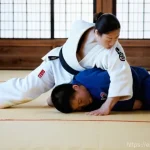
In Judo, once you’ve successfully executed a throw, the fight doesn’t stop; it often transitions directly to the ground. This is where the real art of *ne-waza*, or ground techniques, comes into play. You might see practitioners immediately attempting to pin their opponent (holding them down for a set period), or working for a joint lock (*kansetsu-waza*) or a chokehold (*shime-waza*) to force a submission. I remember one match where a competitor was thrown hard, but instead of giving up, they immediately transitioned into a masterful guard position, eventually sweeping their opponent and securing a submission. It was a beautiful display of adaptability and continuous fighting spirit. This emphasis on ground control means that Judoka develop incredible core strength, flexibility, and a deep understanding of body mechanics for both offensive and defensive situations on the mat. It truly creates well-rounded martial artists who are comfortable in both standing and grappling scenarios. The physical demands of holding a pin or escaping a submission are immense, building a unique kind of strength and mental fortitude that’s unparalleled.
Dynamic Exchanges: Taekwondo’s Striking Spectacle
Taekwondo competitions, on the other hand, are an explosion of dynamic kicks and rapid-fire strikes. The *dojang* becomes a stage for incredible athletic prowess, with competitors often jumping and spinning through the air to deliver powerful kicks to their opponent’s head or torso. The electronic scoring vests and headgear used in many competitions make every clean hit count, adding to the excitement. I’ve been to tournaments where the sheer speed and agility of the athletes were breathtaking; it’s like watching a real-life martial arts movie unfold before your eyes! The focus is on precision, speed, and power, with practitioners constantly moving, looking for openings to land scoring techniques. You’ll see a lot of rapid-fire exchanges, impressive evasive maneuvers, and then, BAM, a perfectly timed kick lands. It requires incredible conditioning, particularly in the legs, and razor-sharp reflexes. The energy is high, the pace is fast, and the spectacle is truly something to behold. It’s a continuous flurry of calculated attacks and defenses, making for a very high-octane and visually exciting combat sport. The ability to quickly assess distance and opportunity is paramount, and the constant movement keeps both competitors and spectators on the edge of their seats.
Building Your Body: Physical Demands and Unique Benefits
Every martial art sculpts the body in its own unique way, and Judo and Taekwondo are no exceptions. When I started training, I quickly realized that while both would get me incredibly fit, they’d develop very different muscle groups and physical attributes. Judo, with its constant pulling, pushing, lifting, and grappling, quickly built up my grip strength and core like nothing else. I mean, after a session of repetitive throws and ground work, your forearms are screaming, and your back muscles feel like they’ve had the workout of their life. It’s a full-body workout that emphasizes explosive power for throws and incredible muscular endurance for holding positions and resisting submissions. I remember feeling absolutely spent after a good *randori* (free practice) session, but also incredibly strong and capable. It’s a primal strength, rooted in functional movements that translate well into real-world physicality. You also develop an incredible sense of balance and proprioception – knowing where your body is in space – which is crucial for successful throws and escapes. This kind of training is fantastic for building resilient joints and a powerful, integrated physique.
Judo’s Emphasis on Functional Strength and Grip
My experience with Judo has been a journey of discovering true functional strength. It’s not about isolating muscles; it’s about making them work together as a unit. Think about it: when you’re trying to lift and throw an opponent who’s actively resisting, you’re engaging your legs, core, back, and arms all at once. My grip strength, in particular, improved dramatically. Holding onto a *gi* (Judo uniform) for an extended period, while an opponent is pulling away or trying to break your grip, is a workout in itself! I’ve found that this translates into a surprising amount of utility in everyday life, from carrying heavy groceries to just feeling more robust and capable. The constant pushing and pulling also significantly strengthens ligaments and tendons, leading to increased joint stability, which is something I’ve personally come to appreciate as I’ve gotten older. It’s a deep, foundational strength that builds from the inside out, making your entire body more connected and powerful. This holistic approach to strength training means you’re building a body that performs, not just one that looks good in a mirror, and for me, that’s incredibly empowering.
Taekwondo’s Focus on Explosive Power and Flexibility
Taekwondo, on the other hand, is a masterclass in explosive power and dynamic flexibility. My hamstrings and hip flexors have never been more pliable or powerful than when I was consistently practicing Taekwondo. The sheer height and speed required for those incredible kicks demand an immense range of motion and the ability to generate force almost instantly. It’s a fantastic cardio workout, pushing your anaerobic threshold with constant bursts of movement, jumps, and kicks. I remember feeling absolutely breathless after a pad-work session, but also incredibly energized and light on my feet. The training regimens often incorporate intense stretching routines to achieve the high kicks, which not only improves flexibility but can also reduce the risk of injury in daily life. This emphasis on agility and quick reactions also hones your fast-twitch muscle fibers, making you quicker and more responsive. For anyone looking to develop incredible leg strength, lightning-fast reflexes, and unparalleled flexibility, Taekwondo is an absolutely phenomenal choice. It’s a very agile and fluid type of fitness, giving you a lean, powerful physique capable of explosive action.
Self-Defense Savvy: Practical Applications for the Real World
When it comes to self-defense, both Judo and Taekwondo offer incredibly valuable skills, but they approach real-world scenarios from different angles, and honestly, understanding this distinction is crucial for anyone thinking about practical application. I’ve always advocated that any martial art is better than none for self-defense, as it builds confidence and awareness. However, my personal experience has taught me that street encounters rarely look like a clean competition. In Judo, the focus on closing the distance, grappling, and controlling an opponent’s body is exceptionally effective in a close-quarters situation. If someone grabs you, or if you find yourself in a tight space, the ability to unbalance and throw them, or control them on the ground, is an absolute game-changer. I’ve seen smaller individuals use Judo principles to escape from larger, stronger attackers purely through technique and leverage. It’s not about brute force, but about applied physics, and that knowledge is incredibly empowering. It teaches you how to manage a situation where you might not have the luxury of distance for a powerful kick.
Judo: Mastering Close-Quarters Engagement
From a self-defense perspective, Judo excels in close-quarters and grappling situations. The techniques you learn – throws, sweeps, joint locks, and chokes – are designed to work when you’re in direct contact with an attacker. I’ve always found the transition from standing to ground fighting in Judo to be particularly useful. If you find yourself in a struggle on the ground, knowing how to defend yourself, escape, or apply a submission can be life-saving. The emphasis on controlling an opponent’s balance and using their own momentum against them means you don’t necessarily need to be bigger or stronger to defend yourself effectively. I’ve personally found that the confidence gained from knowing how to handle a physical confrontation, even if it goes to the ground, is immense. It teaches you to stay calm under pressure, to look for opportunities, and to apply learned techniques in a high-stress environment. Plus, the sheer control you learn over an opponent’s body is invaluable; you can neutralize a threat without necessarily needing to injure them severely, which is often preferable in a self-defense scenario.
Taekwondo: Leveraging Distance and Striking Power
Taekwondo, with its emphasis on powerful, long-range kicks, is brilliant for creating and maintaining distance in a self-defense situation. If you can keep an attacker at bay with a series of fast, effective kicks, you’ve got a significant advantage. I recall one instance where a friend, trained in Taekwondo, managed to deter an aggressor simply by demonstrating a quick, high kick – the sheer threat of it was enough. The explosive power developed in Taekwondo can deliver devastating blows, capable of incapacitating an attacker quickly. While the traditional forms might seem purely aesthetic, the underlying power generation and precision are directly applicable. Hand techniques, though secondary, are also part of the arsenal, providing quick jabs and blocks. The mental fortitude and rapid decision-making fostered in Taekwondo training are also vital for self-defense; knowing when to strike, when to move, and how to react instantly can make all the difference. It teaches you to be dynamic, quick, and to use your legs as powerful defensive and offensive weapons. The ability to launch a powerful kick from a distance can be a crucial tool in avoiding or ending a confrontation swiftly.
Finding Your Focus: Mental Fortitude and Discipline
Beyond the physical prowess, both Judo and Taekwondo are incredible vehicles for building mental toughness and discipline, and this, for me, is where the real long-term value lies. I’ve often said that martial arts are as much about training the mind as they are about training the body. In Judo, the constant need for strategic thinking, problem-solving under pressure, and the resilience required to keep going after being thrown repeatedly, really builds a strong, adaptable mind. It teaches you humility, patience, and perseverance. There’s no instant gratification; mastery comes from years of consistent effort and learning from every mistake. I remember times when I felt completely frustrated after a tough training session, but pushing through that frustration, analyzing what went wrong, and coming back stronger the next day, was incredibly beneficial for my overall mental fortitude. It teaches you that failure is a part of growth, and that true progress comes from introspection and consistent effort. These are life lessons that resonate deeply and empower you beyond the dojo walls.
Judo’s Emphasis on Strategic Thinking and Resilience
In Judo, every *randori* session is a live puzzle. You’re constantly trying to figure out your opponent’s movements, anticipate their attacks, and set up your own. This requires a deep level of strategic thinking and problem-solving, all happening in real-time under physical duress. I’ve found that this process significantly enhances my critical thinking skills and my ability to adapt quickly to changing situations. Furthermore, the sheer physical and mental resilience required to keep getting back up after being thrown, or to persist through a difficult ground fight, is immense. It teaches you grit – the ability to endure hardship and maintain focus despite challenges. There’s a quiet determination that Judoka develop, a resolve that says, “I might be down, but I’m not out.” This mental fortitude translates wonderfully into navigating the complexities of modern life, helping you approach obstacles with a calm, analytical mindset rather than succumbing to panic or frustration. It’s about learning to trust your training and your ability to find a solution, no matter how tough the situation seems.
Taekwondo’s Cultivation of Focus and Self-Control
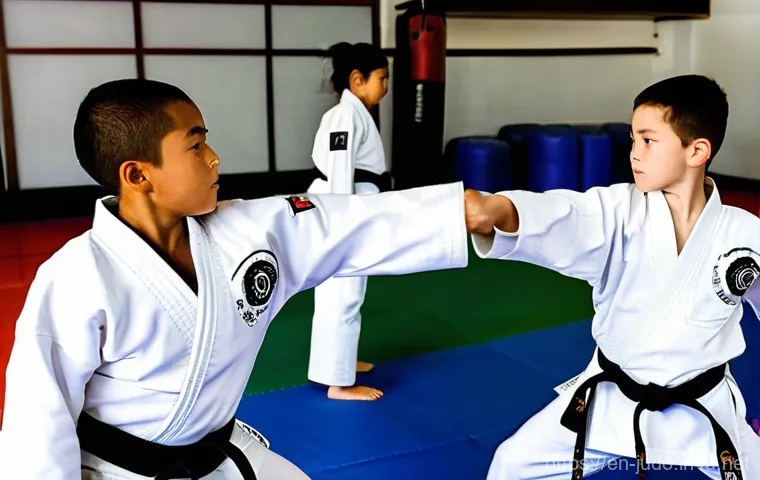
Taekwondo, with its emphasis on precise forms (*poomsae* or *kata*) and explosive techniques, cultivates an incredible level of focus and self-control. Every movement, every strike, requires absolute concentration and discipline to execute perfectly. I remember the countless hours spent refining a single kick, ensuring my balance was perfect, my power generation was optimal, and my form was flawless. This meticulous attention to detail builds an acute sense of body awareness and mental precision. The need for self-control is also paramount, both in sparring – where you learn to control your power to avoid injuring a training partner – and in the disciplined adherence to the tenets of Taekwondo. The sheer physical output also acts as a fantastic stress reliever, allowing you to channel pent-up energy into productive, focused movements. The consistent practice of these principles fosters a calm yet powerful demeanor, teaching you to harness your energy and direct it with purpose. It’s about achieving mastery over your body and mind, and the journey itself is incredibly rewarding, building confidence that radiates outwards.
Competitive Spirit: What to Expect in the Arena
If you’ve got a competitive streak, both Judo and Taekwondo offer vibrant paths to test your skills on a bigger stage. But let me tell you, the atmosphere and the style of competition are as different as night and day, and understanding this can really help you decide where your personal competitive drive might thrive. I’ve always loved the thrill of competition, and getting into these martial arts truly opens up a world of opportunities. In Judo, the competitive arena is a microcosm of tactical chess and explosive power. You’re constantly fighting for grips, trying to break your opponent’s balance, and waiting for that split second to execute a throw. The tension can be palpable, with moments of intense struggle punctuated by sudden, decisive actions. It’s a very physically demanding sport, requiring both incredible strength and endurance, as well as a sharp tactical mind. The adrenaline rush of stepping onto the mat, knowing you’re about to test your years of training against a skilled opponent, is unlike anything else. It’s a deeply personal battle of wills and techniques.
Judo Tournaments: A Test of Strategy and Submission
Judo tournaments are all about scoring points through throws, pins, and submissions. The scoring system (Waza-ari for a lesser throw/pin, Ippon for a perfect throw or submission) means that matches can end quickly with one decisive action, or they can be a grind of tactical maneuvering. I’ve found that competing in Judo really sharpens your ability to think under pressure and to adapt your strategy on the fly. You might have a game plan going in, but once you grab your opponent’s *gi*, everything can change in an instant. The mental aspect is huge; staying calm, looking for openings, and having the courage to commit to a technique even when you’re tired, is what separates the good from the great. It’s also incredibly rewarding when you execute a technique perfectly in a competitive setting, knowing that all your hard work and drilling paid off. The competitive circuit, from local club tournaments to international championships, provides a clear pathway for progression and a chance to truly push your boundaries and refine your skills against a diverse range of opponents.
Taekwondo Tournaments: A Display of Speed and Precision
Taekwondo tournaments, on the other hand, are a spectacle of speed, agility, and explosive kicking. Competitors wear protective gear and utilize electronic scoring systems that register successful strikes to designated areas. The matches are fast-paced, dynamic, and often feature incredible athletic displays of high-flying kicks and rapid-fire footwork. I’ve always been amazed by the sheer athleticism on display at Taekwondo competitions – the ability to jump, spin, and deliver powerful kicks with such precision is truly inspiring. The emphasis is on scoring points through clean, strong strikes, and matches can often go back and forth with sudden bursts of activity. It requires incredible cardiovascular fitness, lightning-fast reflexes, and the ability to maintain composure while constantly moving and looking for scoring opportunities. The competitive environment is invigorating, and the satisfaction of landing a well-timed, powerful kick that scores a point is immense. It’s a fantastic avenue for anyone who loves dynamic, striking-focused combat sports, offering clear goals and a tangible way to measure progress through various belt levels and competitive divisions.
Starting Your Journey: What to Consider Before You Begin
Alright, so you’re probably buzzing with questions now, wondering which of these incredible martial arts might be the perfect fit for *you*. It’s a big decision, and honestly, the best way to figure it out is to consider what you’re hoping to gain and what kind of training environment truly excites you. I’ve guided so many friends and readers through this exact dilemma, and my advice is always to think about your personal preferences, your current fitness level, and what feels genuinely engaging. Are you drawn to the idea of close-contact grappling, throwing, and strategic ground fighting? Or does the thought of powerful, dynamic kicks, incredible flexibility, and explosive striking set your heart racing? Both paths offer profound benefits, but they demand different things from your body and mind. Don’t worry too much about making the ‘perfect’ choice right away; the most important thing is to just start! Most reputable schools will offer a trial class, and I wholeheartedly encourage you to take advantage of that – it’s the best way to get a real feel for the atmosphere and the training style.
Assessing Your Personal Goals and Preferences
Before you commit, take a moment to really think about what you want to achieve. Are you looking primarily for self-defense skills that work in close quarters? Do you want to build incredible functional strength and learn how to control an opponent without relying on striking? Judo might be calling your name. Or perhaps you’re more interested in developing phenomenal leg strength, extreme flexibility, and the ability to deliver powerful, precise kicks from a distance. If so, Taekwondo could be your perfect match. I’ve personally seen people thrive in both disciplines, and often it comes down to a gut feeling. Consider your body type too; while both arts are for everyone, some naturally gravitate towards the grappling of Judo, while others love the open, dynamic movements of Taekwondo. The best way to know is to immerse yourself, even for a short trial period. Talk to instructors, observe classes, and try to visualize yourself truly enjoying the training for the long haul. Remember, consistency is key to mastery, so choose something that genuinely excites and motivates you to keep showing up.
Finding the Right School and Instructor
Once you have a general idea, the next critical step is finding a good school and, more importantly, a great instructor. This is where your journey truly begins, and a positive, supportive environment can make all the difference. I always recommend visiting several local schools, if possible. Pay attention to the atmosphere – does it feel welcoming? Do the students seem engaged and respectful? A good instructor isn’t just a master of their art; they’re also an effective teacher, capable of explaining complex techniques clearly and motivating students of all skill levels. Look for someone who emphasizes safety, discipline, and respect, and who genuinely cares about their students’ progress. Don’t be afraid to ask questions about their teaching philosophy, class schedules, and how they handle beginner students. A great instructor will provide a challenging yet encouraging environment, helping you build confidence both on and off the mat. This is where your investment of time and potentially money truly pays off, so choose wisely – a good dojo or dojang becomes a second home and a community.
| Feature | Judo | Taekwondo |
|---|---|---|
| Origin | Japan | Korea |
| Primary Focus | Grappling, throws, joint locks, chokes, ground control | Kicking, striking, dynamic movements, distance management |
| Self-Defense Scenario | Effective in close-quarters, clinching, ground fighting | Effective at range, deterring with powerful kicks, quick strikes |
| Physical Benefits | Functional strength, grip, core, balance, muscular endurance | Explosive power, flexibility, speed, agility, cardiovascular fitness |
| Competitive Style | Strategic, emphasis on throws, pins, and submissions | Dynamic, fast-paced, emphasis on scoring kicks and punches |
Beyond the Belts: The Journey of Mastery
You know, for many people, the idea of martial arts brings up images of different colored belts. While those ranks are definitely a part of the journey and a way to mark progress, I’ve always emphasized to my friends and anyone who asks that true mastery goes far beyond the color of your belt. It’s about the continuous pursuit of improvement, the internal growth, and the personal transformations that happen along the way. Both Judo and Taekwondo offer a lifelong path of learning, where each new technique, each new challenge, reveals deeper layers of understanding about your body, your mind, and the art itself. I’ve been on this journey for a good while now, and I can tell you, the lessons you learn are timeless. It’s not just about getting to the next rank; it’s about becoming a better, more disciplined, and more self-aware individual with every single training session. The belts are markers, sure, but the real reward is in the journey itself, the relentless pursuit of self-perfection and the profound respect for the art and its traditions.
Embracing Continuous Learning and Growth
The beauty of martial arts, especially something as deep as Judo or Taekwondo, is that you never truly stop learning. There’s always another technique to refine, another principle to grasp, another layer of understanding to uncover. I’ve found that even after years of training, I still have “aha!” moments where something clicks, and I see a technique or a strategy in a whole new light. This commitment to continuous learning is incredibly empowering, teaching you that growth is an ongoing process, not a destination. It’s about embracing the challenge of never being “finished,” always striving for a deeper connection to the art. This mindset extends beyond the dojo, encouraging a lifelong curiosity and a desire for self-improvement in all aspects of life. It also connects you to a rich history and tradition, understanding that you are part of a lineage of practitioners who have dedicated themselves to these profound disciplines for generations. The journey of mastery is less about reaching an end point and more about savoring every step of the profound path you’re on.
The Community and Mentorship Aspect
One of the most enriching parts of my martial arts journey, whether observing Judo or Taekwondo, has been the incredible community and the invaluable mentorship I’ve received. It’s more than just a class; it’s a family, a group of like-minded individuals who support each other’s growth, share struggles, and celebrate successes. Your instructors become more than just teachers; they become mentors, guiding you not just in techniques but in life principles like discipline, respect, and perseverance. I’ve formed some of my strongest friendships on the mat, forged through shared sweat, effort, and mutual respect. This sense of belonging, of being part of something bigger than yourself, is a powerful motivator. It also means you’re never truly alone in your struggles; there’s always someone to offer advice, encouragement, or just a listening ear. This collaborative and supportive environment is crucial for long-term engagement and for truly internalizing the values of the martial art, making the journey of mastery a shared and incredibly rewarding experience that builds character and lasting bonds.
Wrapping Things Up
So, we’ve taken a deep dive into the fascinating worlds of Judo and Taekwondo, exploring their unique philosophies, combat styles, physical demands, and mental benefits. It’s clear that both are incredibly rich and rewarding disciplines, offering so much more than just physical training. Your journey into martial arts, regardless of which path you choose, will undoubtedly be one of personal growth, self-discovery, and continuous learning. Remember, it’s not about being the best from day one, but about the consistent effort, the humility to learn, and the joy of seeing yourself evolve. Whichever art resonates with you, embrace the process, the community, and the incredible transformation that awaits.
Useful Information to Know
1. Try a Trial Class (or two!): Honestly, this is my number one piece of advice. Reading about an art is one thing, but feeling the energy of the dojo or dojang, trying a few basic moves, and interacting with the instructor and students is invaluable. Most reputable schools offer a free trial, so take advantage of it!
2. Consider Your Personal Goals: What are you really hoping to achieve? Is it self-defense, fitness, discipline, competition, or all of the above? Aligning your goals with the primary focus of the martial art will make your journey far more fulfilling and help you stay motivated.
3. Check the Instructor’s Philosophy: A great instructor can make or break your experience. Look for someone who is not only skilled but also patient, encouraging, and prioritizes a safe and positive learning environment. Their teaching style should resonate with you.
4. Think About Your Body Type (but don’t let it limit you!): While martial arts are for everyone, you might find certain styles feel more natural to your current physique or preferences. If you love grappling and close-contact, Judo might be an intuitive fit. If you’re drawn to dynamic kicks and distance, Taekwondo could feel more comfortable initially. But remember, training adapts you!
5. Embrace the Community Aspect: Martial arts schools often foster strong communities. This support system can be a huge motivator and source of lifelong friendships. Don’t be afraid to engage, ask questions, and become part of the family.
Key Takeaways
In essence, choosing between Judo and Taekwondo often comes down to your preference for combat style and the specific physical and mental attributes you wish to develop. Judo excels in close-quarters combat, focusing on throws, grappling, and ground control, building functional strength, grip, and strategic thinking. Taekwondo, conversely, emphasizes dynamic, long-range kicking, speed, and flexibility, cultivating explosive power and heightened self-control. Both offer profound paths to physical fitness, mental fortitude, and self-defense skills, teaching discipline, respect, and perseverance. Ultimately, the right choice is the one that sparks your passion and aligns with your personal journey of growth.
Frequently Asked Questions (FAQ) 📖
Q: What are the fundamental differences in the actual techniques and fighting styles between Judo and Taekwondo?
A: Oh, this is a fantastic question and really gets to the heart of what makes each art so distinct! From my experience, the biggest difference boils down to their primary focus.
Judo, which originated in Japan, is all about throws, takedowns, and grappling on the ground. When I first started exploring it, I was amazed by how much leverage and technique could overcome pure strength.
You spend a lot of time learning how to disrupt an opponent’s balance, execute a perfect hip throw, or pin them effectively on the mat. The goal is to subdue your opponent using their own momentum against them, often leading to incredible throws that feel like magic.
Taekwondo, on the other hand, is a Korean martial art and a true spectacle of striking, especially with those dynamic, high-flying kicks! I remember watching a Taekwondo demo for the first time and just being captivated by the speed and precision of the kicks.
While it does incorporate hand techniques, Taekwondo emphasizes powerful, acrobatic kicks to the head and body. It’s definitely more about maintaining distance and overwhelming your opponent with a flurry of swift, impactful strikes.
So, if you’re drawn to getting up close and personal, using throws and ground control, Judo might call to you. But if you dream of delivering lightning-fast kicks and dazzling footwork, Taekwondo could be your perfect match!
Q: Which martial art, Judo or Taekwondo, is generally considered more effective for practical self-defense in a real-world scenario?
A: This is a classic debate, and honestly, both are incredibly effective for self-defense, but in different ways! It really depends on the situation and what you’re looking for.
In my opinion, Judo offers a very practical toolkit for close-quarters self-defense. Think about it: most real-life altercations end up in a clinch or on the ground.
With Judo, you learn how to control a larger, stronger attacker, how to safely fall, and how to neutralize a threat by pinning or joint locks without necessarily needing to strike.
I’ve personally felt much more confident knowing I could handle someone trying to grab me or take me down, thanks to my Judo training. It’s about control and de-escalation by gaining a dominant position.
Taekwondo, with its emphasis on powerful kicks and strikes, is fantastic for creating distance and stopping a threat before it gets too close. If you can land a well-placed kick, it can be incredibly debilitating, giving you the chance to escape.
However, it requires space and good timing. If you find yourself in a very confined space or get grabbed instantly, Taekwondo’s primary tools might be harder to deploy.
Ultimately, the “best” for self-defense is the one you practice consistently and can apply confidently. But I’d say Judo excels in grappling and ground control, which are crucial real-world skills, while Taekwondo is phenomenal for stand-up striking and keeping distance.
Q: What kind of physical benefits and body types are typically better suited for Judo versus Taekwondo?
A: That’s an insightful question because these arts really do sculpt your body and mind in unique ways! From what I’ve observed and experienced, Judo tends to build incredible functional strength, especially in your core, back, and grip.
You’re constantly pulling, pushing, lifting, and maintaining balance while resisting an opponent, which leads to a very robust, dense musculature. I remember my forearms getting incredibly strong just from all the gripping!
It also demands a high level of cardiovascular endurance because you’re constantly engaged in dynamic movement, often close to your opponent. While any body type can excel, those with a naturally strong build or a lower center of gravity might find an initial advantage in learning to throw and resist takedowns.
Taekwondo, on the other hand, is a powerhouse for flexibility, agility, and explosive power, particularly in the legs and hips. All those high kicks and spinning techniques require a huge range of motion, and you’ll definitely see your flexibility improve dramatically.
It also hones your balance and coordination to an amazing degree. I’ve noticed Taekwondo practitioners often have a leaner, more agile physique. If you’re naturally flexible or enjoy activities that require quick bursts of energy and dynamic movement, Taekwondo might feel incredibly natural for you.
Both arts will boost your overall fitness, but they develop different aspects, so consider what kind of physical challenge excites you most!