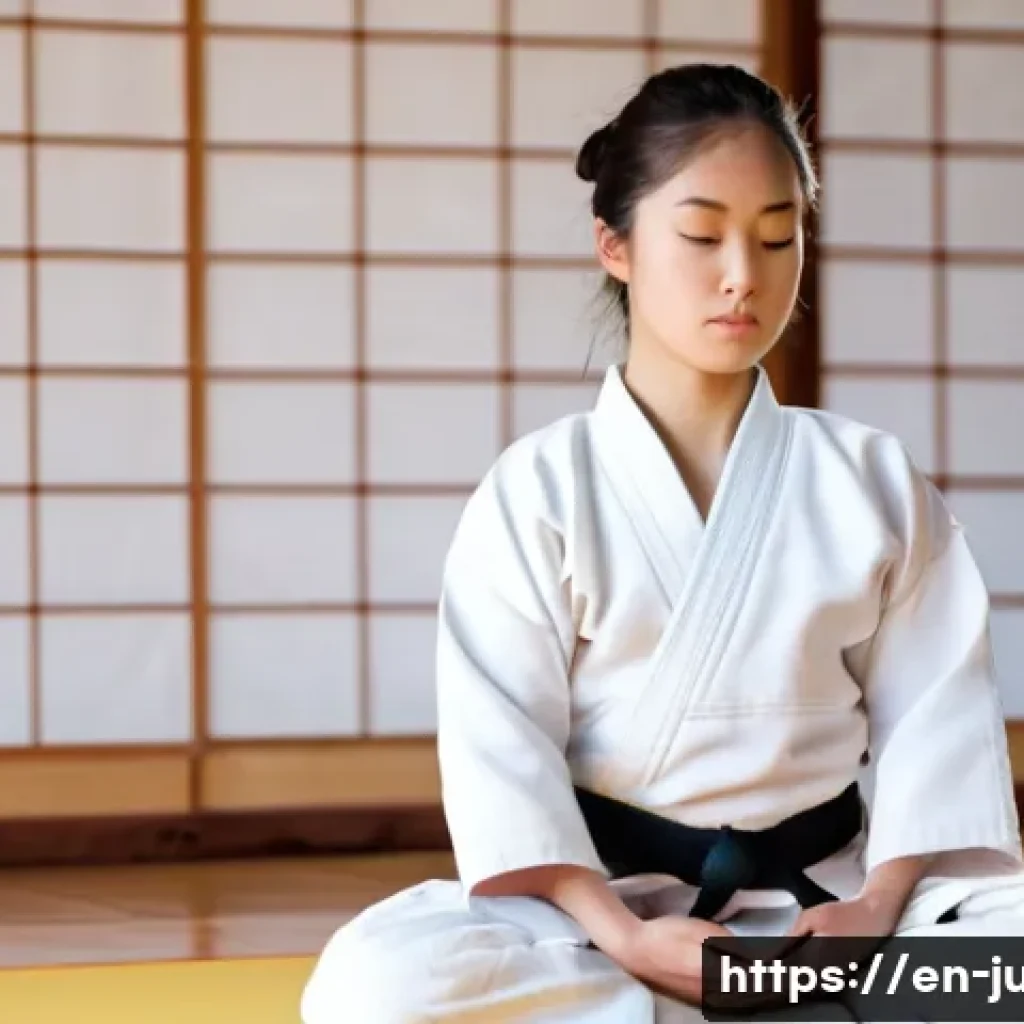
Hey there, fellow judo enthusiasts and aspiring champions! Ever felt that surge of adrenaline just before stepping onto the mat, or that frustrating mental block during a critical moment?
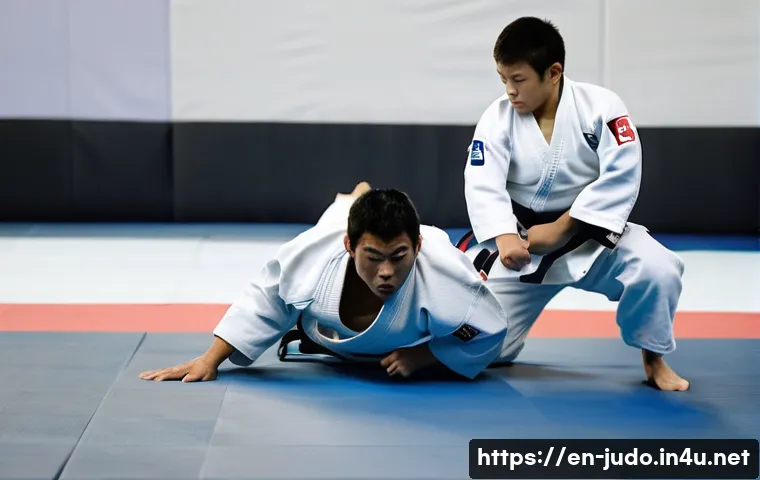
You’re not alone. I’ve been there, and I can tell you firsthand that while physical prowess is absolutely essential in judo, the mental game often separates the winners from the almost-winners.
In today’s competitive landscape, with judoka constantly evolving their physical techniques and incorporating hybrid styles, your psychological preparation isn’t just an advantage; it’s a necessity.
From managing pre-competition stress to maintaining laser focus and bouncing back from setbacks, the mental side of judo is getting more attention than ever.
Elite athletes are training their minds just as intensely as their bodies, using cutting-edge strategies to gain that vital edge. We’re talking about developing true mental toughness, improving concentration, and mastering emotional control—skills that are proven to enhance performance.
Let’s dive into how we can sharpen your mental game and unlock your full potential on the tatami! In this article, we’re going to explore this in detail and give you the actionable tips you need.Hey there, fellow judo enthusiasts and aspiring champions!
Ever felt that surge of adrenaline just before stepping onto the mat, or that frustrating mental block during a critical moment? You’re not alone. I’ve been there, and I can tell you firsthand that while physical prowess is absolutely essential in judo, the mental game often separates the winners from the almost-winners.
In today’s competitive landscape, with judoka constantly evolving their physical techniques and incorporating hybrid styles, your psychological preparation isn’t just an advantage; it’s a necessity.
From managing pre-competition stress to maintaining laser focus and bouncing back from setbacks, the mental side of judo is getting more attention than ever.
Elite athletes are training their minds just as intensely as their bodies, using cutting-edge strategies to gain that vital edge. We’re talking about developing true mental toughness, improving concentration, and mastering emotional control—skills that are proven to enhance performance.
Let’s dive into how we can sharpen your mental game and unlock your full potential on the tatami! In this article, we’re going to explore this in detail and give you the actionable tips you need.
Taming the Butterflies: Conquering Pre-Competition Nerves
You know that feeling, right? The one where your stomach does a dozen flips, your heart pounds a rhythm faster than any drum solo, and your palms get a little sweaty, even before you step onto the tatami. It’s the classic case of pre-competition jitters, and trust me, every single judoka, from the newest white belt to the Olympic gold medalist, has wrestled with it. I’ve felt it many times, that intense mix of excitement and anxiety, and what I’ve learned is that it’s not about eliminating nerves entirely—that’s impossible—but about managing them, transforming that raw energy into focused power. It’s like a wild horse; you can’t get rid of it, but you can learn to ride it. Early in my career, these nerves often got the better of me, leading to rushed attacks or defensive play. But through consistent practice and a few key strategies, I’ve found ways to channel that energy effectively, turning potential weaknesses into strengths. This isn’t just about breathing exercises; it’s about a holistic approach to understanding and controlling your physiological and psychological responses under pressure. If you can master this, you’re already halfway to victory before the first bow. Imagine walking onto the mat feeling excited and prepared, rather than overwhelmed. That’s the goal here.
Deep Breathing and Centering Techniques
One of the most immediate and effective tools in your arsenal against pre-competition nerves is surprisingly simple: your breath. I remember a coach once telling me, “Your breath is your anchor,” and it stuck with me. Before a crucial match, when my mind is racing, I actively practice deep, diaphragmatic breathing. Inhale slowly through your nose for a count of four, hold for seven, and exhale completely through your mouth for eight. Do this a few times, and you’ll notice your heart rate begin to slow, and your muscles start to relax. It’s not magic, it’s physiology. This simple act tells your nervous system to chill out, pulling you out of that ‘fight or flight’ response. It’s a quick reset button that I personally use just before walking out for a match. I’ve found that combining this with a quick mental check-in, focusing on my posture and feeling my feet firmly on the ground, creates a powerful centering effect. It grounds you in the present moment, shifting your focus from future anxieties to immediate physical sensations.
Positive Affirmations and Visualization
Beyond breathing, what you tell yourself in those critical moments leading up to a match can dramatically alter your performance. If your internal monologue is filled with doubts (“What if I mess up?”, “They’re so much stronger”), then you’re setting yourself up for failure. Instead, I’ve personally experienced the immense power of positive affirmations. Simple, direct statements like “I am strong,” “I am skilled,” or “I am prepared” can reprogram your mind. Repeat them silently, or even out loud in a quiet space. Pair this with visualization. Close your eyes and vividly imagine yourself executing your techniques flawlessly, successfully countering your opponent, and ultimately, achieving your goal. See yourself performing with confidence and precision. Feel the rush of success. I’ve spent countless hours visualizing throws, groundwork transitions, and even just maintaining composure during intense exchanges. When I step onto the mat, those images are often so ingrained that my body simply follows the script I’ve already played out in my mind. It’s not just wishing; it’s mental rehearsal, building neural pathways for success.
The Zen of Judo: Cultivating Laser Focus on the Tatami
Once those initial nerves are somewhat tamed, the next monumental challenge is maintaining absolute, unwavering focus throughout the match. I’ve been there, a moment of distraction, a fleeting thought about what happened in the previous round or what I’ll eat for dinner, and suddenly, my opponent has capitalized on my lapse. It’s maddening, isn’t it? In judo, a blink of an eye can be the difference between a decisive throw and being thrown yourself. This isn’t about ignoring the crowd or the referee; it’s about being so deeply immersed in the present moment, in the feel of your opponent’s gi, the subtle shifts in their balance, the rhythm of the exchange, that everything else fades into the background. I used to struggle with this, letting external noise or internal chatter pull me away. But I realized that true focus isn’t forced; it’s cultivated through intentional practice, both on and off the mat. It’s about being truly present, fully engaged, and ready to react instantly to whatever unfolds. This heightened state of awareness is where true judo magic happens.
Mindfulness in Training and Competition
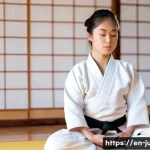
To cultivate this laser focus, I’ve integrated mindfulness practices not just into my competition routine, but into my daily training. During randori, instead of just going through the motions, I actively try to feel every grip, every foot placement, every subtle shift in my opponent’s weight. I pay attention to my own breathing, my body mechanics, and the dynamic flow of the engagement. This isn’t about overthinking; it’s about heightened awareness. When you train mindfully, you build the muscle memory for focus. In a match, this translates to being fully present. If my mind starts to wander, I bring it back to my opponent’s gi, to their posture, to the next potential attack or defense. It’s a constant, gentle redirection of attention. I’ve found that even mundane tasks in the dojo, like bowing properly or tying my belt with intention, can be opportunities to practice mindfulness. It builds a foundation of presence that serves me incredibly well when the pressure is on during a fight.
Blocking Out Distractions and Noise
Let’s be real, judo tournaments are noisy. The roaring crowd, the shouts from coaches, the thud of bodies hitting the mat – it can be a sensory overload. Learning to filter out these distractions is crucial. I’ve developed a few tricks over the years. One is to create a “bubble” around myself before and during the match. This doesn’t mean ignoring my coach; it means mentally tuning out everything else that isn’t directly relevant to the fight. Sometimes, I use specific mental cues, like a keyword or a physical gesture (a quick squeeze of my hand), to remind myself to re-center if I feel my focus slipping. Another strategy is anticipatory training. During practice, my coaches sometimes intentionally create chaotic environments – loud music, unexpected interruptions – to simulate competition conditions. While it sounds annoying, it actually helps train your brain to maintain focus amidst external disturbances. I remember one session where music was blaring, and the coach was yelling instructions to different pairs simultaneously. It was tough, but it taught me invaluable lessons about maintaining internal calm and focus in a storm.
The Phoenix Mentality: Bouncing Back from Setbacks
Judo is a sport of brutal honesty. You win some, you lose some, and sometimes, you get absolutely clobbered. I’ve been there more times than I care to count – the sting of defeat, the frustration of making a silly mistake, or the sheer disbelief of being caught by a technique I thought I had defended against a thousand times. It’s disheartening, and it can be incredibly tough on your mental state. But here’s the kicker: how you react to those setbacks, that’s what truly defines you as a judoka. Do you dwell on it, let it eat away at your confidence? Or do you pick yourself up, learn, and come back stronger? I used to let losses derail me for days, sometimes weeks. But through years of tough lessons and invaluable mentorship, I’ve learned that the ability to recover mentally, to see every defeat as a learning opportunity, is perhaps the most powerful skill you can cultivate. It’s the phoenix mentality – rising from the ashes, stronger and wiser. This resilience isn’t just about physical recovery; it’s about maintaining a positive outlook and an unshakeable belief in your own growth trajectory, even when things feel like they’re crumbling around you.
Analyzing Losses, Not Dwelling on Them
When you lose, it’s natural to feel bad. But there’s a crucial difference between feeling bad and letting that feeling consume you. My approach now is to give myself a short window to acknowledge the disappointment, maybe a few minutes of quiet reflection right after the match. Then, it’s time for objective analysis. I go back over the video of the match, or I talk with my coach, breaking down what went wrong. Was it a technical flaw? A tactical error? A mental lapse? The key is to detach emotion from the analysis. It’s not about beating myself up; it’s about identifying areas for improvement. I ask myself, “What can I learn from this?” and “How can I prevent this from happening again?” This objective review process transforms a negative experience into a positive growth opportunity. I keep a training journal where I jot down these insights, creating a clear roadmap for future practice. It’s a pragmatic way of handling setbacks that, in my experience, has been far more effective than simply stewing in self-pity.
Rebuilding Confidence After a Tough Loss
A tough loss can feel like a punch to your confidence, making you question your abilities. I’ve certainly had those moments where I felt like I was back at square one. But rebuilding that confidence is absolutely doable. For me, it starts with getting back on the mat and focusing on the basics. I’ll spend extra time drilling techniques I’m already good at, reminding myself of my strengths and successes. Small victories in practice, even just perfectly executing a single throw, can be incredibly restorative. I also lean heavily on my support system – my coaches and teammates. Their encouragement and belief in me are invaluable. Sometimes, just talking through the match with someone who understands can provide much-needed perspective. It’s a gradual process, but by consistently putting in the work and reminding myself of my inherent capabilities, I can usually bounce back stronger than before. Remember, every champion has lost, but what makes them champions is their unwavering commitment to getting back up and fighting another day.
Visualization: Your Secret Weapon for Victory
Now, let’s talk about something that often feels a bit “woo-woo” to newcomers but is an absolute game-changer for elite athletes: visualization. If you’re not actively visualizing your success, you’re leaving a huge advantage on the table. I can personally attest to the incredible impact this mental training technique has had on my judo. It’s more than just daydreaming; it’s a deliberate, detailed mental rehearsal of your performance, engaging all your senses. Before I understood its power, I’d just think about winning. Now, I *see* myself winning, I *feel* the grip, I *hear* the referee, I *smell* the tatami. It’s an immersive experience that essentially pre-programs your mind and body for success. Think of it as practice without the physical exertion, but with all the mental benefits. When you step onto the mat, your brain already has a blueprint of successful actions, making execution smoother and more instinctive. It’s like creating a mental highlight reel before the match even begins, preparing you for every scenario.
Crafting Your Mental Movie
So, how do you actually do this? It’s not just a quick thought. To truly harness visualization, you need to create a detailed “mental movie.” Find a quiet place where you won’t be disturbed. Close your eyes and start from the beginning: walking into the arena, feeling the energy, stepping onto the tatami. Visualize your opponent – how they move, their typical grip. Then, picture yourself executing your best techniques, perfectly timed, powerfully delivered. Don’t just see it; *feel* it. Feel the weight of their gi, the explosion of your hips, the satisfaction of a clean throw. Imagine responding perfectly to their attacks, maintaining your balance, and transitioning smoothly into groundwork. I personally try to incorporate various scenarios – what if I get behind? What if I need to defend a strong attack? I visualize overcoming these challenges and ultimately achieving my desired outcome, whether it’s a decisive ippon or a strategic win. The more vivid and detailed your mental movie, the more effective it will be in preparing you for the real thing.
Integrating Visualization into Your Routine
For visualization to be truly effective, it needs to be a consistent part of your training regimen, not just something you do once in a while. I recommend setting aside 5-10 minutes each day, ideally before training or before bed, to practice. It’s also incredibly powerful to do just before a match. I’ve noticed a significant improvement in my focus and execution when I’ve spent some dedicated time visualizing before stepping onto the mat. It helps calm the nerves and sharpens my tactical thinking. It’s also a fantastic tool for reinforcing new techniques you’re learning; mentally rehearsing them can help solidify the motor patterns. Don’t get discouraged if it feels awkward or unconvincing at first. Like any skill, visualization improves with practice. The more you do it, the more natural and powerful it becomes. Think of it as another form of drilling, but for your mind. It’s a powerful, free tool available to every judoka, regardless of experience level, to elevate their game.
The Emotional Rollercoaster: Mastering Control on the Mat
Judo isn’t just a physical chess match; it’s an emotional one too. I’ve seen it countless times, and I’ve experienced it firsthand: a judoka gets frustrated, makes a rash decision, and then pays the price. Or they get overconfident, let their guard down, and suddenly they’re staring at the ceiling. Mastering your emotions on the tatami isn’t about becoming a robot; it’s about understanding them, acknowledging them, and then choosing how to respond. Anger, frustration, fear, even excessive excitement – all these emotions, if left unchecked, can be detrimental to your performance. I remember one match where I was so angry about a questionable call that I completely lost my composure for the next minute, which was exactly when my opponent capitalized. That was a hard lesson, but it taught me the absolute necessity of emotional regulation. The judo mindset isn’t just about technique; it’s about cultivating a serene yet fiercely determined mental state that allows you to perform at your peak, regardless of the emotional turmoil bubbling beneath the surface. It’s a delicate balance that takes years to refine.
Recognizing and Managing Emotional Triggers
The first step to emotional control is self-awareness. What are your emotional triggers? Is it a referee’s call you disagree with? A particular type of opponent who frustrates you? Being thrown by a basic technique? For me, it used to be getting caught in a sloppy transition. Identifying these triggers is crucial. Once you know what sets you off, you can develop strategies to manage those reactions. I’ve learned to take a quick mental pause when I feel anger or frustration creeping in. Sometimes, it’s a deep breath, or a quick glance at my coach for a reassuring nod. Other times, it’s a silent mantra, reminding myself to stay calm and focused. It’s about creating a small mental buffer between the trigger and your response. This skill isn’t unique to judo; it’s a life skill. By learning to recognize these triggers and having a plan to diffuse them, you maintain control of the situation and, more importantly, control of yourself. Don’t let your emotions dictate your technique; let your technique guide your emotions.
The Power of Detachment and Objectivity
One of the most profound lessons I’ve learned in judo is the power of detachment. This isn’t about not caring; it’s about viewing your performance, and the match itself, with a degree of objectivity. When you can detach from the outcome and focus purely on the process – executing your techniques, maintaining good posture, fighting for grips – you free yourself from the immense pressure of winning or losing. I’ve found that when I’m focused solely on performing my best, the results often take care of themselves. If a mistake happens, instead of getting angry, I try to view it objectively, like a puzzle to solve. “Why did that not work? What can I adjust?” This analytical approach keeps me from spiraling into negative self-talk. It’s about being present and responsive, rather than reactive. This level of emotional control allows you to adapt, to pivot, and to make intelligent decisions under duress, which is the hallmark of a truly skilled judoka.
Building an Unbreakable Spirit: The Power of Positive Self-Talk
Ever notice how you talk to yourself, especially when things get tough? That internal voice, the one whispering in your ear, can be your greatest ally or your most formidable enemy. In judo, where every second demands mental fortitude, the power of positive self-talk is absolutely monumental. I’ve personally experienced the profound difference it makes. When I was younger, my internal dialogue could be brutal – full of self-criticism and doubt. If I made a mistake, I’d berate myself, creating a negative feedback loop that often compounded errors. But over the years, I’ve consciously trained myself to cultivate a kinder, more encouraging internal voice. It’s not about delusional optimism; it’s about realistic encouragement and constructive self-guidance. This isn’t just fluffy feel-good stuff; it’s a fundamental psychological tool that strengthens your resolve, improves focus, and builds an unbreakable spirit, especially when you’re exhausted and every fiber of your being wants to quit. That’s when the right words in your head can push you through.
Replacing Negative Thoughts with Affirmations
The first step in leveraging positive self-talk is to become aware of your negative thought patterns. Pay attention to what that little voice is saying when you’re tired, frustrated, or making mistakes. Once you identify a negative thought, actively challenge and replace it. For example, if you think, “I can’t land this throw,” immediately counter it with, “I will try my best to execute this throw effectively,” or “I am capable of executing this technique.” It sounds simple, but it requires consistent effort. I’ve found it helpful to have a few go-to affirmations ready for different situations. Before a tough randori, I might tell myself, “I am strong and resilient.” If I’m feeling fatigued, “My stamina is deep, I can push through.” This isn’t about lying to yourself; it’s about directing your focus towards strength and possibility rather than weakness and doubt. It’s an active process of rewiring your brain’s response to challenges.
The Impact of Self-Talk on Performance
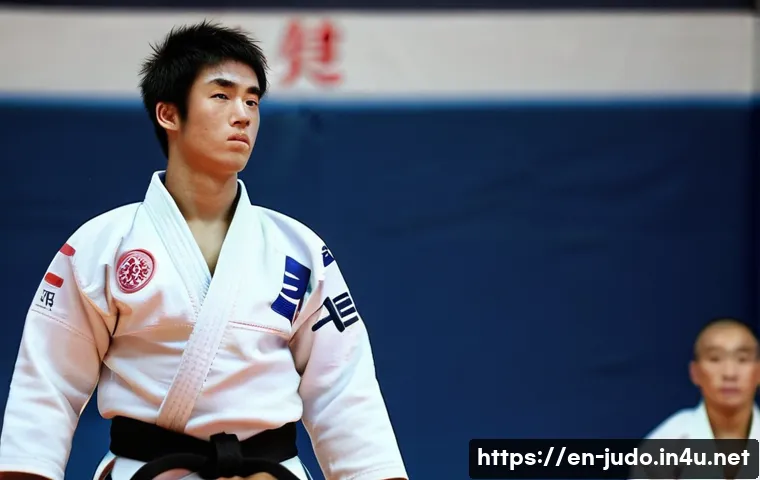
The way you talk to yourself directly impacts your performance. Research consistently shows that athletes who engage in positive self-talk perform better, recover faster from mistakes, and have higher levels of confidence. When you tell yourself you can do it, you activate different parts of your brain than when you tell yourself you can’t. It influences your physiology, your muscle tension, and your overall energy levels. I’ve noticed a dramatic difference in my own energy and resilience during long, grueling tournaments when I maintain a positive internal dialogue. Even when I’m physically spent, positive self-talk helps me find that extra gear. It’s like having a personal coach in your head, constantly cheering you on and offering constructive guidance. This mental coaching isn’t just about feeling good; it’s about optimizing your cognitive functions to make better decisions and sustain effort when it matters most. It truly is a secret weapon that can elevate your judo to new heights.
Beyond the Mat: Integrating Mental Training into Daily Life
Here’s the thing about mental toughness in judo: it’s not something you can just switch on and off when you step onto the tatami. It’s a muscle that needs to be exercised constantly, and the best way to do that is to integrate mental training principles into your everyday life. I’ve realized that the habits I cultivate off the mat directly translate to my performance on it. How you handle stress at work, how you approach a challenging task, how you manage your emotions during a difficult conversation – all these daily experiences are opportunities to hone your mental game. It’s about building a consistent mental discipline that extends far beyond the dojo walls. This holistic approach ensures that when competition day arrives, your mind is already primed and ready, not just to fight, but to thrive. It truly changes your entire outlook and makes you a more resilient person, inside and outside of judo. This is where true mastery begins.
Mindful Living for Peak Performance
Practicing mindfulness doesn’t have to be a formal meditation session. It can be as simple as paying full attention to your breakfast, noticing the flavors, textures, and smells. It could be taking a mindful walk, observing everything around you without judgment. These small acts of mindful living train your brain to stay present and focused, skills that are invaluable in the heat of a judo match. I’ve personally found that even mundane chores, like washing dishes or doing laundry, become opportunities to practice being fully present. When my mind wanders, I gently bring it back to the task at hand. This constant practice of attention and awareness builds mental stamina. The more you practice mindfulness in your daily life, the easier it becomes to access that laser focus and emotional control when you need it most on the tatami. It’s about turning every moment into a mini-training session for your mind.
Developing Discipline Through Everyday Habits
Discipline isn’t just about showing up for practice; it’s about the small, consistent habits that shape your character. Setting and achieving small goals in your daily life, whether it’s sticking to a healthy diet, waking up at a specific time, or committing to a learning task, builds self-discipline. This directly translates to your judo. If you can consistently stick to a plan in your personal life, you’re far more likely to stick to a game plan during a match, even when things get tough. I’ve found that maintaining a structured routine, including consistent sleep and nutrition, profoundly impacts my mental clarity and resilience. These seemingly small habits create a strong foundation of self-control and commitment. When you make a promise to yourself and keep it, you build trust in your own capabilities, and that trust is a powerful asset when you’re facing a formidable opponent. Discipline in daily life directly fuels discipline on the mat.
| Mental Skill | Impact on Judo Performance | Daily Practice Examples |
|---|---|---|
| Stress Management | Reduces performance anxiety, prevents mental paralysis under pressure. | Deep breathing before meetings, progressive muscle relaxation, taking short breaks during intense tasks. |
| Focus & Concentration | Enhances tactical awareness, improves reaction time, reduces mistakes. | Mindful eating, focused work sessions without distractions, observing surroundings during walks. |
| Resilience | Ability to bounce back from setbacks, maintains motivation after losses. | Learning from daily mistakes, problem-solving minor challenges, maintaining a positive outlook after small failures. |
| Positive Self-Talk | Boosts confidence, increases perseverance, improves emotional regulation. | Replacing negative thoughts with affirmations, celebrating small achievements, speaking kindly to yourself. |
| Visualization | Pre-programs mind for success, improves technique execution, builds confidence. | Mentally rehearsing presentations, imagining successful outcomes for daily tasks, planning a route in your mind. |
Optimizing Your Performance: The Role of Rest and Recovery for Mental Edge
It’s easy to get caught up in the grind of physical training, pushing your body to its limits day after day. But what often gets overlooked, much to the detriment of both physical and mental performance, is the critical role of rest and recovery. I used to be one of those judokas who thought more training meant more gains, often sacrificing sleep and proper downtime. What I learned the hard way, through burnout and decreased performance, is that adequate rest is not just about letting your muscles heal; it’s absolutely vital for cognitive function, emotional regulation, and maintaining that sharp mental edge. Your brain, just like your muscles, needs time to repair, consolidate information, and recharge. Neglecting this crucial aspect can lead to foggy thinking, increased irritability, poor decision-making, and a complete breakdown of all the mental toughness you’ve worked so hard to build. Think of it as hitting the reset button for your entire system.
Prioritizing Quality Sleep for Mental Clarity
If there’s one non-negotiable aspect of my recovery routine, it’s sleep. And I’m not just talking about getting enough hours, but *quality* sleep. I’ve personally experienced the profound difference between a night of restless tossing and turning versus deep, uninterrupted sleep. On days following poor sleep, my reaction time is slower, my focus wavers, and my emotional control takes a serious hit. It’s frustrating to know my body is capable, but my mind isn’t connecting the dots. I aim for 7-9 hours of consistent, high-quality sleep every night. This means having a consistent sleep schedule, creating a dark and cool sleep environment, and avoiding screens before bed. It might sound like a simple thing, but it’s foundational. When I prioritize my sleep, I wake up feeling refreshed, mentally sharper, and ready to tackle the challenges of training and competition with a clear head and an optimistic outlook. It’s the ultimate brain fuel for a judoka.
Active Recovery and Mental Downtime
Recovery isn’t just about sleeping; it also includes active recovery and dedicated mental downtime. I’ve found that constantly being “on,” whether it’s intense training or endless strategizing, is unsustainable. Active recovery, like light stretching, a gentle walk, or swimming, helps with physical recovery but also offers a mental break without completely disengaging. More importantly, scheduling actual mental downtime, where I completely step away from judo-related thoughts, is essential. This might be reading a book for pleasure, spending time with friends and family doing non-judo activities, or engaging in a hobby. It’s about letting your mind wander, decompress, and process everything without the pressure of performance. I remember a period where I was constantly thinking about judo, and it led to mental fatigue. Taking intentional breaks, even just an afternoon away from the dojo, made a massive difference in my ability to return feeling refreshed, motivated, and mentally sharper. It allows the mind to organically solve problems and consolidate learnings, without forced effort.
Wrapping Things Up
Whew! We’ve covered a lot of ground today, haven’t we? From those initial butterflies in your stomach to bouncing back stronger after a tough loss, the mental game in judo is truly a journey of self-discovery and growth. What I’ve really tried to share here is that you’re not alone in feeling these things, and more importantly, that you have the power within you to manage them. It’s not about eliminating nerves or mistakes, but about channeling that energy, learning from every experience, and building an unshakable inner fortress. Trust me, I’ve been there, and with consistent effort, these strategies become second nature, allowing your true judo spirit to shine. Remember, the strongest judoka isn’t just physically dominant; they’re masters of their own minds, both on and off the mat.
Useful Info to Keep in Your Back Pocket
Here are some extra nuggets of wisdom and practical tips that I’ve found incredibly useful in my own journey, and I think you’ll appreciate them too!
1.
Journaling for Self-Awareness
Seriously, grab a notebook. Jotting down your thoughts and feelings before and after training or competition can reveal so much about your triggers and what helps you stay focused. It’s like having a conversation with yourself, helping you see patterns and develop personalized coping strategies.
2.
Mindfulness Apps
If you’re new to mindfulness or find it hard to stick with, there are some fantastic apps out there that offer guided meditations and breathing exercises tailored for athletes. They can be a game-changer for daily practice, helping you build that mental muscle even when you’re off the mat.
3.
Cross-Training Your Brain
Just like you cross-train your body, try cross-training your mind! Engage in activities that require intense focus but aren’t judo-related, like solving puzzles, learning a new language, or even complex math problems after an intense workout. It sounds a bit strange, but it helps sharpen your cognitive function under fatigue.
4.
Nutrition and Hydration for Mental Edge
Don’t underestimate the power of a balanced diet and proper hydration. What you put into your body directly impacts your brain function, mood, and energy levels. Staying well-fueled and hydrated can significantly reduce stress and improve your mental clarity when it matters most.
5.
Seek Professional Guidance
If you’re consistently struggling with performance anxiety or mental blocks, don’t hesitate to reach out to a sports psychologist. They’re experts at providing individualized strategies and support, helping you unlock your full potential and navigate the unique pressures of competitive sports.
Key Takeaways for a Stronger You
Ultimately, developing mental toughness in judo, and in life, boils down to a few core principles that I’ve personally relied on:
First, embrace your breath as your ultimate anchor. Those deep, calming breaths are your instant reset button, bringing you back to the present and regulating your nervous system. Secondly, believe in the incredible power of your internal dialogue. What you tell yourself truly matters, so replace doubt with empowering affirmations and visualize your success vividly. Your brain doesn’t always know the difference between what’s real and what’s imagined, so give it a winning script!
Thirdly, see every setback not as a failure, but as a priceless lesson. The ability to analyze, learn, and rebuild your confidence after a loss is what transforms a good judoka into a truly resilient one. And finally, understand that rest and recovery aren’t luxuries; they are fundamental pillars for peak mental and physical performance. Prioritize quality sleep and mental downtime to allow your brain and body to recharge and consolidate all that hard-earned knowledge and strength. These practices aren’t just for the mat; they’re habits for a stronger, more focused, and more balanced life.
Frequently Asked Questions (FAQ) 📖
Q: How can I genuinely manage pre-competition nerves and transform that jittery feeling into something productive?
A: Oh, believe me, that pre-competition flutter is something almost every judoka experiences, from beginners to seasoned veterans like myself. I’ve been there countless times, feeling that knot in my stomach and the adrenaline coursing through me.
The trick isn’t to eliminate it entirely – that’s often impossible and, frankly, you wouldn’t want to, as a certain level of arousal can actually sharpen your senses.
Instead, it’s about channeling that energy. What I’ve found incredibly effective is a solid, personalized pre-match routine. This isn’t just about warming up physically, it’s about preparing your mind.
Think of it: when you follow a familiar sequence of actions, your brain gets the signal that it’s “game time” and begins to settle into a focused state.
For me, that often involves a specific stretching routine, listening to a carefully curated playlist that gets me pumped without over-stimulating, and some mindful breathing exercises.
Just a few minutes of deep, diaphragmatic breathing can work wonders, lowering your heart rate and bringing you back to the present moment. I also love using visualization.
Before a big match, I’ll close my eyes and mentally rehearse my best throws, imagining the perfect grip, the explosive entry, and the satisfying thud of an ippon.
I don’t just see it; I feel it. This mental rehearsal builds confidence and creates a positive blueprint for what’s to come, helping to push out those “what if I lose” thoughts.
And here’s a little secret: sometimes, just acknowledging that nervousness and reframing it as excitement, as your body getting ready to perform, can make a huge difference.
It’s all about perception, my friend!
Q: During a fast-paced judo match, what are some practical techniques to maintain laser-sharp focus and avoid distractions?
A: Staying focused when you’re on the tatami, with all the noise, the pressure, and your opponent trying to throw you, is a real challenge! I’ve had moments where my mind drifted for a second, and that’s all it took for an opening to appear.
What really helps me, and what I consistently emphasize, is training your attention like any other muscle. One of the most powerful tools is focusing on your breathing during the match.
Sounds simple, right? But consciously returning your attention to your breath during those brief pauses, maybe after a “matte” call or when you reset your grip, can quickly bring you back into the zone.
It acts as an anchor. Another technique I’ve found invaluable is what sports psychologists call a “focus-refocus” strategy. This means you maintain a wide awareness of your surroundings and your opponent’s general movement, but then narrow your focus intensely on specific cues – like their posture, their grip, or the subtle shifts in their balance – right before you execute a technique.
When the referee calls “matte,” it’s your chance to quickly reset: shake off any negative thoughts, take a deep breath, and then zoom back in on your opponent.
I also find that engaging in high-intensity randori with different partners regularly helps immensely. The more you simulate competition stress in training, the better you become at blocking out distractions and maintaining that critical focus when it truly counts.
It’s like building a mental shield through consistent practice.
Q: When I’ve had a tough loss or a really bad training session, how can I bounce back mentally without letting it crush my confidence?
A: Oh, the sting of a tough loss or a training session where nothing goes right – it’s a feeling we all know too well, and it can really hit hard. I remember one tournament where I felt completely off, and the losses piled up.
It’s easy to let that spiral into self-doubt, but that’s exactly what you don’t want to do. The key is to process it constructively, not to dwell. First, allow yourself to feel those emotions – disappointment, frustration, even anger.
It’s natural, and trying to suppress it completely isn’t healthy. However, set a time limit. After that, it’s time for an objective evaluation.
I like to sit down, sometimes with my coach, and honestly review what happened. Was it a technical error? A tactical mistake?
Or just a truly better opponent on the day? Separate your performance from your self-worth. One loss doesn’t define you as a judoka or as a person.
It’s a single data point in a much larger journey. I always remind myself that every elite athlete has faced setbacks; it’s how they respond that makes them elite.
Look for the lessons. What can you learn from this experience? Perhaps you need to work on a specific transition, or improve your cardio.
Turn the negative into a concrete action plan for your next training session. Finally, and this is super important for long-term confidence, reconnect with your “why.” Why do you love judo?
What drives you? For me, it’s the constant challenge, the camaraderie, and the feeling of continuous growth. Focus on those intrinsic motivations, rather than just the outcome of a single match.
Remember, resilience isn’t about not falling; it’s about how quickly and strongly you get back up.