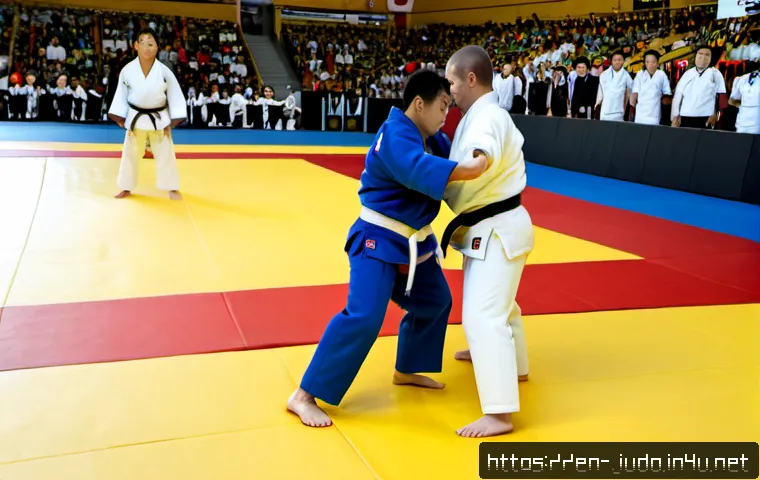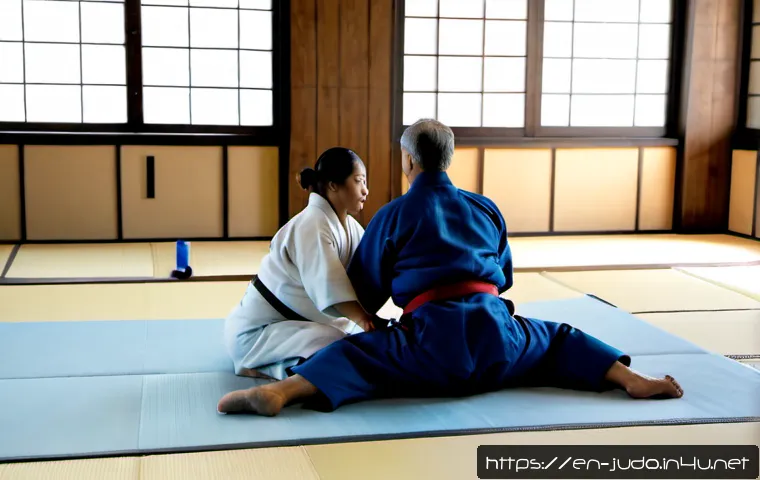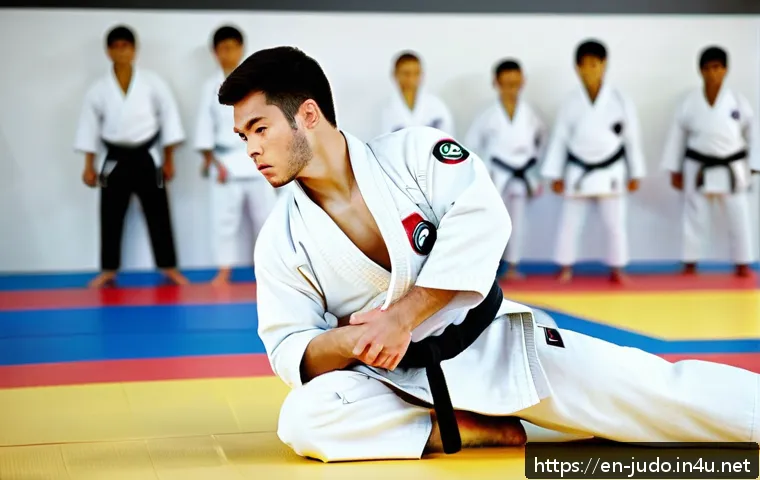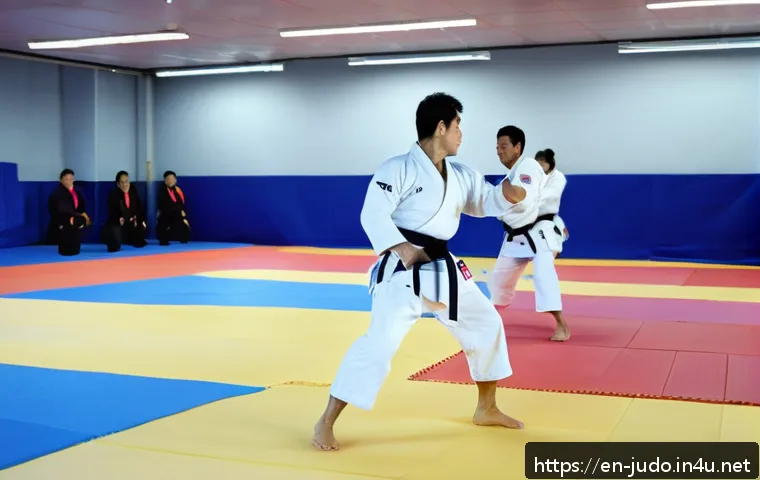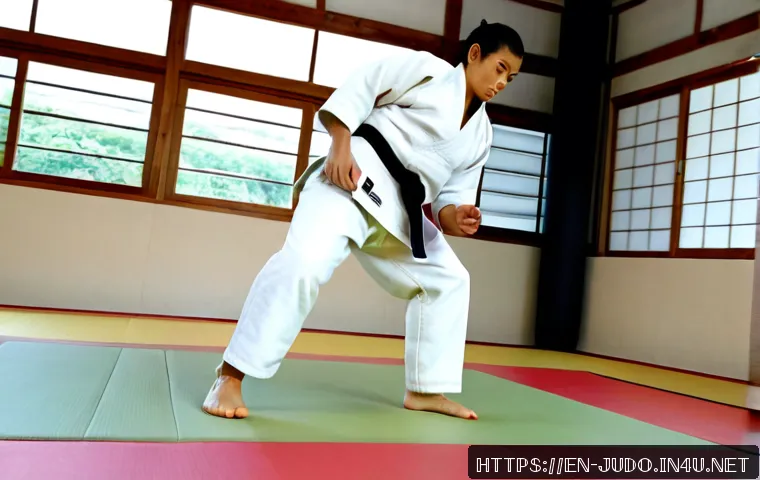
Improve judo fastest by building reliable ukemi, posture, movement, grips, and one repeatable attack sequence before adding more throws. Paid coaching is most useful when you need direct feedback on a specific technical issue that is difficult to correct alone.
Regular group classes usually provide the most consistent partner practice, while open mat sessions can support focused repetition when safety standards are clear.
Private lessons may suit athletes working through a plateau, preparing for a specific goal, or correcting persistent habits. For parents and newer judoka, the first priority is a club environment with qualified coaching, appropriate partners, and controlled sparring.
Equipment, extra mat access, and coaching should support a clear training need rather than replace fundamentals.
At a Glance
- Prioritize ukemi first before increasing the intensity of throwing practice.
- Build posture, balance, movement, grips, and kuzushi before relying on strength or advanced throws.
- Choose coaching and mat access based on your goal: regular repetition, targeted feedback, or supervised extra practice.
| Training Option | Best For | Main Benefit | What to Check |
|---|---|---|---|
| Group judo classes | Consistent skill development | Partner variety, structured instruction, and controlled randori | Coach qualifications, class structure, safety standards, and partner matching |
| Open mat sessions | Focused drilling and extra repetition | More time to refine a specific movement or combination | Supervision, mat rules, suitable partners, and whether resistance is appropriate |
| Private judo coaching | Specific technical problems or plateaus | Individual feedback on posture, grips, entries, and unsafe habits | Coach experience, lesson focus, total cost, and how feedback fits regular class training |
| Home conditioning | General movement and training support | Can support mobility, balance, and overall readiness | Do not practice throws or falls on unsuitable surfaces without proper supervision |
Start With the Skills That Improve Every Judo Technique
The most useful judo skill upgrades are often the least flashy. A stronger throw depends on safe falling, stable posture, balance, movement, timing, and off-balancing. These fundamentals transfer across throwing, gripping, groundwork, and randori.
Build reliable breakfalls before increasing throwing intensity
Ukemi, or breakfall practice, is a foundation of safer throwing practice. Before asking a partner to throw with more speed or resistance, make sure falling mechanics are being practiced carefully under qualified instruction. This matters for beginners, returning athletes, and anyone changing training intensity. A club should treat breakfalls as a regular skill, not as a one-time introduction.
Improve posture, balance, and movement before chasing advanced throws
If your posture breaks as you enter, more strength rarely solves the underlying problem. Focus on staying balanced while moving, keeping your stance functional, and recognizing when your partner’s position creates an opening. A qualified coach can often spot leaning, stiff movement, poor distance, or unsafe turning patterns that are hard to notice during self-practice.
Use one repeatable attack sequence instead of collecting techniques
Choose one attack you can enter with control, then connect it to a simple follow-up or a related movement. Repetition with a cooperative partner helps you understand the pattern before resistance rises. This approach is usually more productive than trying to memorize many throws without learning when to use them.
Compare Training Options: Group Classes, Open Mat, and Private Coaching
Your best training purchase depends on whether you need repetition, feedback, or supervised mat time. Price matters, but the structure of the training environment matters just as much.
When regular club classes offer the best value
For most beginner-to-intermediate judoka, a regular judo club membership offers the clearest foundation. Group classes commonly include ukemi, throwing technique, groundwork, gripping, movement drills, and controlled sparring. They also provide different body types, movement styles, and partners—experience that is difficult to recreate alone.
When a private coach can help solve a specific technical problem
Private judo lessons may be worth considering when you have a narrow goal: a recurring grip problem, an entry that collapses, poor timing, or an unsafe movement habit. Individual coaching is not a shortcut to promotion or competition results. Its value is direct observation and targeted correction, especially when you know what you want to improve.
What to compare beyond monthly membership price
Compare class times, coaching attention, mat access, partner availability, sparring rules, and the total monthly cost. Parents may also want to ask how youth athletes are matched for size, experience, and intensity. If you are considering protective training gear, confirm what the club allows and whether it supports the way you actually train.
Improve Grips, Kuzushi, and Entry Timing
Throws become more reliable when the grip, off-balance, and entry work together. Trying to force the final movement after losing position often turns practice into a strength contest.
Practice grip exchanges with a clear purpose
Do not grip fight only to “win” the exchange. Practice reaching a grip that helps you move your partner, protect your own posture, or set up your chosen attack. Ask your coach which grip pattern suits your current technique work, then drill it with a cooperative partner before testing it in randori.
Create off-balance before committing to a throw
Kuzushi means off-balancing. Rather than pulling or pushing without direction, use movement to make your partner adjust. The goal is not to overpower them; it is to recognize a moment when their balance, posture, or step makes an entry more realistic.
Link movement drills to realistic attack entries
Movement drills work best when they lead to a specific decision: step, create an angle, off-balance, and enter. Practice at a manageable pace first. Increasing resistance too early can hide whether the movement pattern is actually working.
Use Randori Without Turning Every Round Into a Strength Contest
Randori can reveal what holds up under resistance, but it should match your experience level, skill goal, and the club’s safety standards. A hard round is not automatically a productive round.
Set a technical goal for each round
Choose one purpose: maintain posture, attempt a particular grip exchange, create kuzushi before attacking, or enter your selected combination. A narrow goal makes it easier to notice progress and gives your coach something specific to review.
Match resistance level to the skill being trained
Cooperative drilling, moderate resistance, and more competitive randori all have different uses. If you are learning a movement pattern, use a partner who can help you repeat it safely. As the pattern improves, resistance can increase in a controlled way.
Review mistakes after practice and choose one correction
After training, identify one issue rather than trying to repair everything at once. It may be posture, distance, gripping, timing, or a rushed entry. Bring that single correction into your next drill or ask a coach for focused feedback.
Avoid Training Mistakes That Slow Progress
Skipping ukemi or training on unsuitable surfaces
Do not treat breakfalls as optional, and do not attempt throwing or falling practice on surfaces that are not appropriate for judo. Safe practice requires suitable mats, supervision, and a partner who understands the drill.
Repeating techniques with poor posture or unsafe partners
More repetitions are not always better. Repeating an entry with poor alignment can reinforce a bad habit. Choose partners who can work at the intended intensity, follow the drill, and communicate clearly when something feels unsafe.
Adding volume without recovery, mobility, or injury awareness
Extra classes, open mat sessions, and conditioning can be useful, but more training is not automatically better. Consider your current schedule, recovery, mobility, injury history, and access to qualified guidance. If something does not feel right, reduce intensity and seek appropriate support from a qualified professional.
Choosing Your Next Training Option: A Practical Comparison Summary
Choose group training for consistent repetition and partner variety
Choose a structured group class if you need regular instruction, a range of partners, and supervised progression from drilling to randori. It is often the practical starting point for building dependable judo habits.
Choose private instruction for targeted feedback and technical plateaus
Consider private coaching when you can describe a specific issue and want close feedback. A lesson is most useful when its corrections can be carried back into your normal club practice.
Choose equipment and extra sessions based on safety, frequency, and budget
Buy judo equipment or add open mat sessions only when they support your actual training routine. Compare class structure, coach feedback, mat access, safety rules, and total monthly cost. For membership details, private coaching availability, or approved protective gear, check the provider’s official class and equipment information.
Final Thoughts
Better judo usually comes from improving a few repeatable basics, not from rushing toward a larger technique list. Make ukemi, posture, movement, grips, and kuzushi part of your regular practice. Use group classes for consistent development, and use private coaching when focused feedback solves a clear problem. Keep randori purposeful, controlled, and appropriate for your experience level.
Useful Information to Keep in Mind
First: A cooperative partner is useful for learning movement patterns before resistance increases.
Second: Coaching feedback can reveal posture and movement habits that are difficult to self-correct.
Third: The right training option depends on your goals, schedule, budget, and access to a safe judo environment.
Important Notes
Training frequency, age, injury history, competition goals, and local access to qualified clubs vary from person to person. Private lesson fees, membership costs, equipment prices, and open mat policies also vary by provider. No class, coach, gear purchase, or training method can guarantee faster promotion, competition success, or injury prevention. Confirm safety procedures, supervision, and participation requirements directly with the club or coach.
Frequently Asked Questions
Q1. How often should I train judo to improve my skills?
A1. Improvement depends on the quality and purpose of your practice, not only how often you train. Use a schedule you can maintain while practicing ukemi, movement, technique repetition, and controlled randori safely. A qualified coach can help you decide where additional sessions fit your current level.
Q2. Are private judo lessons worth the cost for beginners?
A2. They can be useful if a beginner needs focused feedback on a specific issue, such as posture, falling mechanics, gripping, or a basic entry. However, regular group classes often provide the broader repetition and partner experience beginners need. Compare the coach’s feedback, lesson purpose, and total cost before deciding.
Q3. What is the safest way to practice judo skills outside a regular class?
A3. Focus on training that is appropriate for your environment and skill level. Throwing and breakfall practice require suitable mats, safe supervision, and a knowledgeable partner. Home conditioning may support general movement and readiness, but it should not replace qualified judo instruction or safe mat practice.