Jumping into judo classes can be both exciting and challenging, especially as many newcomers quickly realize that mastering the art isn’t just about physical strength but also mental resilience.
With the rise in popularity of martial arts for fitness and self-defense, understanding common hurdles like technique struggles or confidence issues has become essential.
Whether you’re stepping onto the mat for the first time or trying to push past a plateau, knowing how to tackle these challenges can make all the difference.
In this post, I’ll share practical tips and insights that helped me and many others turn obstacles into stepping stones for success. Stick around to discover how to stay motivated and improve effectively, no matter your level!
Building Confidence Through Consistent Practice
Embracing Small Wins on the Mat
One thing I quickly learned is that confidence in judo doesn’t come overnight. It’s the little victories—like successfully executing a throw or holding a grip longer than before—that gradually build your belief in your abilities.
Instead of fixating on what you can’t do yet, focusing on these small improvements helps keep frustration at bay and motivation high. I remember feeling proud just by managing to stay balanced during a sparring session, even though I didn’t win.
Those moments added up and gave me the push to keep showing up.
Using Visualization to Prepare Mentally
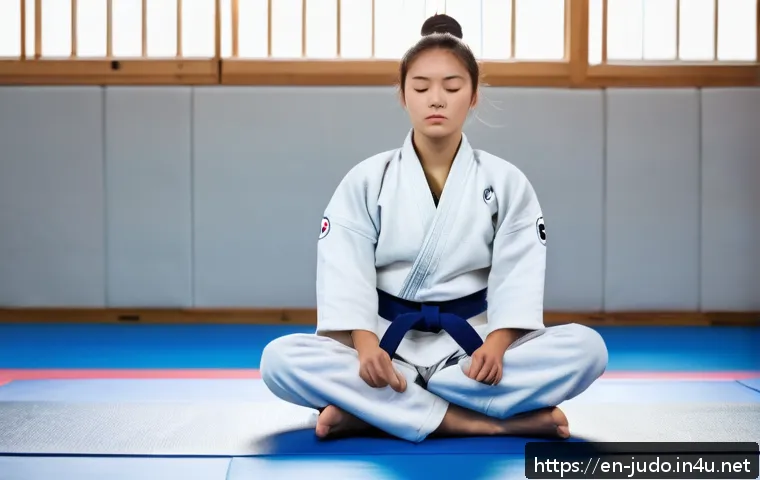
Visualization has been a game-changer for me when nerves hit before class or competition. Taking a few minutes to imagine yourself performing techniques smoothly and responding calmly to an opponent’s moves can reduce anxiety and improve focus.
It’s like rehearsing success in your mind, which makes it easier to perform under pressure. I recommend pairing this with deep breathing exercises to ground yourself, especially on days when self-doubt creeps in.
Seeking Constructive Feedback Without Fear
Approaching coaches and more experienced judokas for feedback can be intimidating, but it’s crucial for growth. I found that framing questions like “What can I improve in my footwork?” or “How can I better time my throws?” invites specific advice rather than vague criticism.
Embracing feedback as a tool rather than a judgment helped me develop a growth mindset, turning setbacks into learning opportunities rather than confidence killers.
Mastering Technical Skills with Patience
Breaking Down Complex Moves Step-by-Step
Judo techniques can feel overwhelming at first because many moves involve intricate footwork, grip control, and timing. I found it incredibly helpful to focus on one element at a time instead of trying to perfect the entire throw all at once.
For example, I’d spend several sessions just working on my grip strength and positioning before adding the actual throw. This incremental approach made the learning curve less steep and kept me from burning out.
Recording and Reviewing Practice Sessions
Using a phone or camera to record your practice can offer insights that you don’t notice in the heat of the moment. Watching yourself helps identify subtle mistakes in posture or movement and track progress over weeks.
When I reviewed videos, I spotted habits like leaning too far forward or not engaging my hips properly, which I then corrected with targeted drills. This method turns passive practice into active self-coaching.
Partner Communication for Better Synchronization
Judo is a cooperative sport at its core, so communicating with your training partners is vital. I learned to ask for feedback on how my grips felt or whether my timing was off.
Partners can offer valuable perspectives since they experience your technique firsthand. This dialogue not only improves technical execution but also builds camaraderie, making practice sessions more enjoyable and productive.
Maintaining Physical Conditioning Without Overtraining
Balancing Strength, Flexibility, and Endurance
Judo demands a unique blend of physical attributes, and I realized early on that focusing on one area alone wasn’t enough. Strength helps with powerful throws, flexibility prevents injuries during falls, and endurance keeps you going through rounds.
My weekly routine includes weight training for explosive power, yoga for mobility, and interval cardio for stamina. This holistic approach keeps me agile and less prone to fatigue.
Listening to Your Body to Avoid Burnout
It’s tempting to push hard every session, especially when you’re eager to improve quickly, but ignoring signs of fatigue can backfire. I once overtrained and ended up sidelined with a nagging shoulder injury.
Since then, I’ve prioritized rest days and adjusted intensity based on how I feel. Simple habits like foam rolling, proper hydration, and sleep quality have become integral parts of my routine to support recovery.
Incorporating Cross-Training for Injury Prevention
Cross-training with activities like swimming or Pilates not only breaks the monotony but also targets muscles differently, reducing the risk of overuse injuries.
Swimming, for example, is low-impact and improves cardiovascular health, while Pilates enhances core stability, which is crucial for balance in judo. Adding these elements helped me stay resilient and maintain consistent progress without setbacks.
Overcoming Mental Blocks and Competition Anxiety
Reframing Fear as Excitement
I used to feel paralyzed by nerves before competitions, but shifting my mindset from fear to excitement changed everything. Reminding myself that adrenaline is a natural response and can boost performance helped me channel that energy positively.
Saying things like “I’m ready to face this challenge” instead of “I hope I don’t mess up” rewired my mental approach and reduced anxiety significantly.
Establishing Pre-Match Routines
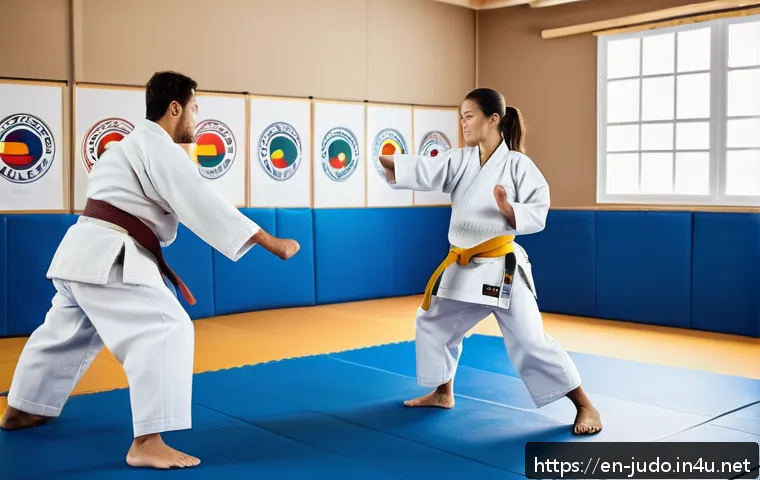
Having a consistent routine before stepping onto the mat creates a sense of control and calm. For me, this includes light stretching, a quick mental check-in, and listening to a favorite pump-up playlist.
These rituals signal to my brain that it’s game time, helping me focus and block out distractions. Experimenting with different routines until you find what works is key to managing nerves effectively.
Using Mindfulness to Stay Present
During matches, it’s easy to get caught up in what just happened or what might go wrong next. Practicing mindfulness—paying attention to the here and now—helps keep your reactions sharp and decisions clear.
I practice simple grounding techniques like feeling my feet on the mat or focusing on my breath between bouts. This keeps me anchored and improves my ability to adapt in real time.
Creating a Supportive Training Environment
Choosing the Right Dojo and Coach
Finding a dojo that matches your goals and personality is crucial. Some places focus more on competition, others on self-defense or fitness, so aligning with a coach whose teaching style resonates with you makes the journey more enjoyable and sustainable.
I switched dojos early on and noticed a big difference in my enthusiasm and development once I found a coach who was patient and encouraging.
Building Relationships with Training Partners
Training with people who support and challenge you fosters a positive atmosphere and pushes you to improve. I made it a point to connect with others outside class—sharing tips, celebrating wins, or just chatting about struggles—which created a sense of belonging.
This community vibe often turns the toughest training days into moments of shared growth.
Setting Realistic Goals Together
Working with your coach and partners to set achievable milestones keeps progress measurable and motivation high. Instead of vague ambitions like “get better,” setting clear targets such as “master three new throws this month” or “improve stamina for five-minute randori” provides direction.
Celebrating these goals together also strengthens team spirit and accountability.
Tracking Progress and Staying Motivated Long-Term
Keeping a Training Journal
Documenting your sessions—what you worked on, what felt good or tough, and notes from coaches—helps you reflect and plan. I started journaling after a few months and found it motivating to look back on how far I’d come.
It also highlighted patterns like improvement after rest days or challenges when I skipped warm-ups, guiding me to smarter training choices.
Rewarding Yourself for Milestones
Recognizing achievements, big or small, fuels ongoing commitment. Whether it’s treating yourself to new gear after nailing a technique or enjoying a favorite meal post-training, rewards create positive associations with progress.
I’ve noticed that celebrating these moments keeps burnout at bay and adds fun to the discipline.
Adapting Goals as You Evolve
As your skills and interests develop, your goals will naturally shift. What motivated you as a beginner might differ from what challenges you at an intermediate level.
Regularly reassessing and adjusting your objectives ensures continued engagement. Personally, moving from purely fitness goals to competing in local tournaments gave me fresh purpose and kept the journey exciting.
| Common Judo Challenges | Practical Solutions | Expected Benefits |
|---|---|---|
| Low Confidence | Focus on small wins, seek feedback, use visualization | Improved self-belief, reduced anxiety, better performance |
| Technical Complexity | Break down moves, record practice, communicate with partners | Faster skill acquisition, precise execution, smoother flow |
| Physical Fatigue | Balanced training, listen to body, cross-train | Enhanced endurance, injury prevention, sustained energy |
| Competition Anxiety | Reframe fear, pre-match routines, mindfulness | Calm focus, confident mindset, adaptive responses |
| Lack of Support | Find right dojo, build relationships, set group goals | Positive environment, motivation boost, accountability |
| Plateau in Progress | Keep training journal, reward milestones, adapt goals | Renewed motivation, clear direction, ongoing growth |
In Conclusion
Building confidence and mastering judo is a journey that thrives on patience, consistent practice, and a positive mindset. Embracing small wins, seeking feedback, and maintaining both physical and mental well-being are key to steady progress. Remember, every step forward, no matter how small, contributes to long-term success on and off the mat.
Useful Information to Keep in Mind
1. Celebrate incremental improvements to boost your confidence and stay motivated.
2. Use visualization and mindfulness techniques to manage nerves and enhance focus.
3. Break down complex techniques into manageable parts for more effective learning.
4. Prioritize balanced physical conditioning and listen to your body to prevent injury.
5. Foster a supportive training environment by connecting with coaches and partners.
Key Takeaways
Consistent practice combined with a growth mindset leads to lasting confidence and skill development in judo. Effective communication and feedback accelerate learning, while mental strategies help overcome anxiety and maintain focus. Balancing physical training with rest and cross-training prevents burnout and injuries. Finally, setting realistic goals and tracking progress ensures continuous motivation and improvement throughout your judo journey.
Frequently Asked Questions (FAQ) 📖
Q: How can I overcome the frustration of not mastering judo techniques quickly?
A: It’s totally normal to feel frustrated when techniques don’t click right away. What helped me was focusing on small, consistent improvements rather than perfection.
Break down each move step-by-step and practice them slowly before speeding up. Also, don’t hesitate to ask your instructor for personalized feedback—they see things you might miss.
Remember, judo is as much about patience and mental resilience as physical skill. Celebrate small wins, and over time, those small steps add up to big progress.
Q: What’s the best way to build confidence when starting judo classes?
A: Confidence often comes from familiarity and experience, so give yourself permission to be a beginner. I found that attending classes regularly, even on days I felt unsure, helped build my comfort level on the mat.
Pair that with positive self-talk—remind yourself that everyone starts somewhere and that mistakes are part of learning. Partnering with supportive classmates also makes a huge difference; having a training buddy who encourages you can boost your morale and motivation tremendously.
Q: How can I stay motivated if I hit a plateau in my judo training?
A: Plateaus can be really discouraging, but they’re actually a natural part of any skill-building journey. When I hit a plateau, changing up my routine was a game-changer—trying new drills, focusing on conditioning, or even cross-training with other martial arts kept things fresh.
Setting small, achievable goals helped me track progress and stay motivated. Also, reflecting on how far you’ve come rather than how far you still have to go can reignite your passion.
Remember, persistence beats perfection every time.