Lately, athletes everywhere are searching for smart ways to stay energized during intense training, and judo practitioners are no exception. With the sport demanding both strength and stamina, fueling your body with the right snacks can make all the difference.
Whether you’re prepping for a tough session or recovering afterward, choosing energy-boosting foods tailored to judo’s unique demands is crucial. In this post, I’ll share some tried-and-true snack ideas that have personally helped me maintain peak performance and avoid those mid-practice slumps.
Stick around, because these simple yet powerful choices could transform your training routine.
Balancing Quick Energy and Sustained Fuel for Judo Practice
Understanding Your Energy Needs During Training
Judo is a sport that demands sudden bursts of power combined with steady endurance. This means your body requires a mix of quick-digesting carbs for immediate energy and slower-burning nutrients to maintain stamina throughout the session.
From my own experience, snacks high in simple sugars give a rapid boost but can lead to a crash if relied on alone. On the other hand, pairing those carbs with a bit of protein or healthy fat helps smooth out energy levels, preventing that dreaded mid-practice slump.
For example, a banana alone gives quick energy, but adding a spoonful of peanut butter keeps you going longer.
Timing Your Snacks for Maximum Impact
When you eat can be just as important as what you eat. I’ve found that consuming a balanced snack about 30 to 60 minutes before stepping onto the mat allows my body enough time to digest and convert that food into usable energy.
If you’re training twice a day or have back-to-back sessions, a light snack during breaks can also help sustain your performance. Post-training snacks should focus more on recovery, with protein to repair muscles and carbs to replenish glycogen stores.
Ignoring timing can leave you feeling sluggish or overly full, both of which hurt your technique and focus.
Snack Ideas That Hit the Sweet Spot
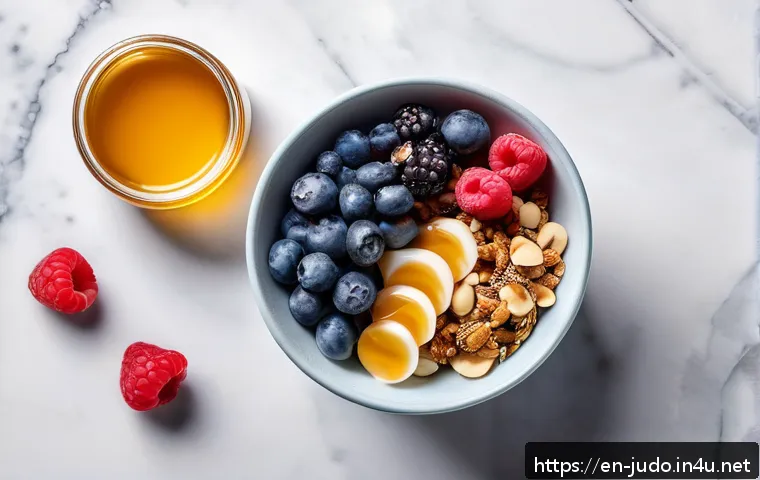
Based on trial and error, I’ve discovered some go-to snacks that consistently fuel my judo workouts well. Greek yogurt with honey and berries offers a perfect combo of protein, carbs, and antioxidants.
Trail mix with nuts and dried fruit provides sustained energy with a bit of crunch, which I personally find satisfying. Smoothies made with banana, spinach, and a scoop of protein powder are another favorite, especially on hectic days when I need something quick but nutritious.
Experimenting with these options helped me avoid those sluggish moments and kept me alert and explosive on the mat.
Harnessing Natural Ingredients for Optimal Performance
Why Whole Foods Beat Processed Options
Processed snacks might be convenient, but I noticed they often left me feeling bloated or fatigued during training. Whole foods, on the other hand, supply your body with vitamins, minerals, and antioxidants that support muscle function and reduce inflammation.
For example, fresh fruits like apples or oranges hydrate and refresh, while nuts and seeds deliver essential fats and protein. These natural choices have a way of keeping energy levels steady without the crash that sugary bars or drinks sometimes cause.
It’s a subtle difference, but over time, it made a huge impact on how I felt both during and after practice.
Incorporating Superfoods That Aid Recovery
Certain nutrient-dense foods have earned their “superfood” label because of their ability to enhance recovery and reduce soreness. Chia seeds, rich in omega-3 fatty acids, help fight inflammation.
Tart cherry juice is another favorite among athletes for its anti-inflammatory properties and muscle recovery benefits. Including these in your snack routine can speed up how quickly you bounce back from intense sessions.
I started adding chia seeds to my morning yogurt and noticed less stiffness and faster recovery, which made training more enjoyable and consistent.
Practical Tips for Snack Preparation
Preparing your snacks ahead of time can save you from grabbing whatever is convenient but less effective. I usually portion out trail mix or pre-cut fruits and veggies the night before a training day.
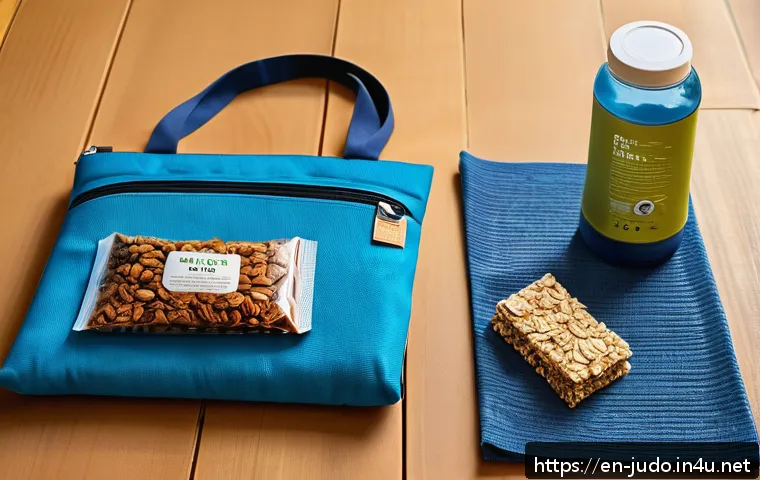
Keeping a stash of portable snacks like energy bars made from wholesome ingredients or nut butter packets in your gym bag also helps. This simple habit ensures you’re never caught off guard hungry or depleted, which can seriously affect your performance.
Plus, having snacks ready reduces the temptation to reach for sugary or salty junk food that might provide momentary satisfaction but ultimately drain your energy.
Hydration and Its Role in Sustaining Energy
Why Fluids Matter Just as Much as Food
It’s easy to overlook hydration when thinking about snacks, but water plays a critical role in energy production and muscle function. Even mild dehydration can cause fatigue and reduce your ability to concentrate—both big no-nos in a fast-paced sport like judo.
I found that sipping water consistently throughout training, rather than chugging at the end, helped me maintain energy and stay sharp. Sports drinks can be useful during longer sessions to replenish electrolytes, but I tend to prefer natural options like coconut water, which hydrates without added sugars.
Signs You’re Not Hydrating Enough
Recognizing dehydration early can prevent a big drop in your performance. Symptoms I’ve noticed include dry mouth, headache, and a noticeable drop in endurance or reaction time.
If you start feeling unusually tired or dizzy during drills or sparring, it’s often a sign you need to drink more fluids. Carrying a reusable water bottle and setting reminders to take small sips can help maintain consistent hydration.
This small adjustment made a noticeable difference in how long I could keep my energy up during tough sessions.
Combining Hydration with Nutrient Intake
Drinking fluids alongside nutrient-rich snacks can enhance absorption and provide a more balanced energy supply. For example, eating a fruit like an orange with a glass of water not only hydrates but also supplies natural sugars and vitamin C to support immune function.
Pairing nuts with a hydrating beverage ensures your body has what it needs to convert food into energy efficiently. In my experience, these combinations create a synergy that keeps me feeling fueled and focused, especially during multi-hour training days.
Strategic Use of Supplements to Complement Snacks
Evaluating the Role of Supplements in Your Diet
While whole foods should form the core of your nutrition, certain supplements can fill gaps or boost performance when used wisely. I’ve tried protein powders, branched-chain amino acids (BCAAs), and electrolyte tablets to see what worked best for me.
The key is not to rely on them as a substitute for solid meals or snacks but as a convenient enhancement. For instance, a quick protein shake after practice helped me recover faster when I didn’t have time for a full meal.
Being selective and understanding your body’s needs makes supplements a valuable part of the nutrition toolkit.
Choosing Quality Over Quantity
Not all supplements are created equal. I learned to prioritize products with transparent ingredient lists and third-party testing to avoid fillers or harmful additives.
Reading reviews and consulting with nutrition experts helped me avoid wasting money on ineffective or potentially harmful options. This approach gave me confidence that what I was putting into my body supported my judo goals rather than hindered them.
Remember, supplements are tools, not magic fixes—they work best when combined with smart eating habits.
Personalizing Your Supplement Strategy
Everyone’s body reacts differently, so tailoring your supplement intake to your specific training load and nutritional gaps is essential. For example, during intense training blocks, I increased my intake of magnesium and vitamin D to support muscle function and mood.
In contrast, on lighter days, I focused more on hydration and natural snacks. Keeping a training and nutrition journal helped me track how different supplements affected my energy and recovery, allowing me to make informed adjustments over time.
Building a Snack Routine That Fits Your Lifestyle
Adapting to Different Training Schedules
Whether you train early mornings or late evenings, your snack choices and timing need to fit your daily rhythm. I’ve adjusted my pre-training snack depending on how soon I have to hit the mat after waking up.
Sometimes it’s a light fruit smoothie; other times, it’s a more substantial mix of oats and nuts if I have a few hours before practice. Recognizing what works best for your body clock helps avoid discomfort and maximizes energy availability.
Flexibility in your routine allows you to stay consistent without forcing a one-size-fits-all approach.
Overcoming Common Snack Pitfalls
One challenge I faced was avoiding snacks that left me feeling heavy or sluggish. Greasy, overly sweet, or high-fiber foods right before training often backfired.
I learned to test new snacks during lighter sessions before committing to them on important training days. Another hurdle was boredom with repetitive snack choices, so I mix things up with seasonal fruits, different nut butters, or homemade energy bites.
Being mindful of what triggers fatigue or digestive issues helped me fine-tune my snack list and stay energized consistently.
Incorporating Mindful Eating Practices
Eating with intention rather than mindlessly snacking has made a big difference in my energy management. Taking a few moments to savor flavors and textures not only improves digestion but also helps me recognize when I’m truly hungry versus just snacking out of habit.
This awareness prevents overeating and keeps energy levels balanced. I encourage fellow judo athletes to slow down and tune into their body’s signals—it’s a simple shift that can enhance both nutrition and overall well-being.
Energy-Packed Snack Ideas and Their Nutritional Breakdown
Quick Recipes to Try Before or After Practice
– Peanut butter and banana toast: Combines complex carbs with healthy fats and protein for sustained energy. – Cottage cheese with pineapple chunks: Offers a refreshing mix of protein and natural sugars.
– Homemade granola bars with oats, nuts, and dried fruit: Portable and customizable for your taste preferences.
Snack Swaps to Avoid Energy Crashes
– Swap candy bars for dark chocolate and almonds for a steadier energy release. – Replace soda with sparkling water infused with lemon or cucumber to hydrate without excess sugar.
– Choose whole grain crackers over white bread to maintain blood sugar balance.
| Snack | Main Nutrients | Energy Type | Ideal Timing |
|---|---|---|---|
| Banana with Peanut Butter | Carbs, Protein, Healthy Fats | Quick & Sustained | Pre-training (30-60 min) |
| Greek Yogurt with Honey | Protein, Simple Sugars | Quick Energy | During Training Breaks |
| Trail Mix (Nuts & Dried Fruit) | Healthy Fats, Fiber, Carbs | Sustained Energy | Between Sessions |
| Tart Cherry Juice | Antioxidants, Natural Sugars | Recovery Boost | Post-training |
| Protein Shake | Protein | Muscle Repair | Post-training |
Conclusion
Balancing quick energy and sustained fuel is essential for optimal judo performance. Listening to your body’s needs and timing your snacks thoughtfully can make a noticeable difference in endurance and focus. Incorporating whole foods, staying hydrated, and choosing quality supplements further supports your training goals. By experimenting with different options, you can find the perfect snack routine that keeps you energized and ready to excel on the mat.
Helpful Tips to Remember
1. Always combine quick-digesting carbs with protein or healthy fats to avoid energy crashes during practice.
2. Plan your snack timing around your training schedule to ensure your body has fuel when it needs it most.
3. Prioritize whole, natural foods over processed snacks to support muscle function and reduce fatigue.
4. Stay consistently hydrated throughout your session to maintain energy and mental sharpness.
5. Customize your supplement use based on your individual needs and training intensity for best results.
Key Takeaways
Developing a snack strategy tailored to your lifestyle and training demands is crucial for sustained energy and recovery. Focus on nutrient-rich, balanced snacks consumed at the right times to optimize performance. Hydration should not be overlooked, as it plays a vital role in muscle function and alertness. Supplements can be beneficial but should complement—not replace—a solid nutrition foundation. Above all, listen to your body and adjust your routine accordingly to stay energized and injury-free.
Frequently Asked Questions (FAQ) 📖
Q: uestionsQ1: What are the best types of snacks to eat before a judo training session to stay energized?
A: Before hitting the mats, it’s important to choose snacks that provide a good balance of carbohydrates and protein without feeling too heavy. I usually go for a banana with a spoonful of peanut butter or a small bowl of oatmeal topped with berries.
These options give a steady release of energy and help prevent that sluggish feeling during intense practice. Avoid sugary snacks that cause quick energy spikes followed by crashes, which can really mess with your focus and stamina.
Q: How soon before training should I eat these energy-boosting snacks?
A: Timing matters quite a bit. I’ve found that eating a light snack about 30 to 60 minutes before training works best. This gives your body enough time to digest and convert the food into usable energy.
If you eat too close to practice, you might feel bloated or sluggish, but if you wait too long, you risk running low on fuel mid-session. It’s all about finding that sweet spot that keeps you comfortable and energized.
Q: What snacks help most with recovery after a tough judo workout?
A: After a demanding training session, your muscles need both protein for repair and carbs to replenish glycogen stores. A smoothie made with Greek yogurt, a handful of spinach, frozen fruit, and a scoop of protein powder has been a game changer for me.
Alternatively, a turkey sandwich on whole-grain bread or a bowl of cottage cheese with pineapple works well too. These snacks support muscle recovery and help you bounce back faster for your next session.