Jumping into judo can be both exciting and a bit intimidating, especially for beginners eager to learn without risking injury. With the rising popularity of martial arts as a way to stay fit and build confidence, knowing how to practice safely has never been more important.
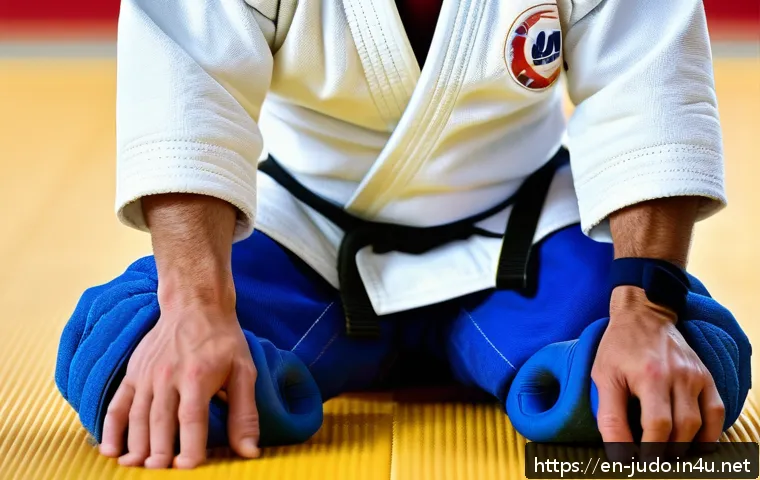
Whether you’re stepping onto the mat for the first time or returning after a break, mastering the basics with the right techniques can make all the difference.
In this guide, I’ll share practical tips that helped me avoid common pitfalls and build trust in my abilities step by step. Let’s dive in and explore how you can enjoy judo while keeping safety front and center.
Understanding the Fundamentals of Safe Judo Practice
Mastering Ukemi: The Art of Falling
One of the first things I realized stepping onto the tatami was how crucial ukemi, or breakfalling, really is. It’s not just about avoiding pain—it’s about learning to move with the throw rather than against it.
When I first tried, my instinct was to stiffen up, which only made the impact worse. But as I practiced rolling and slapping the mat with my arm, I noticed I could absorb falls more smoothly.
This skill alone gave me confidence and reduced the fear of getting thrown. Ukemi isn’t something you master overnight, but consistent practice makes it second nature, which is vital for preventing injuries.
Proper Warm-Up and Stretching Routines
Jumping right into intense practice without warming up is a recipe for trouble. In my early days, I skipped thorough warm-ups, thinking I could just jump in.
That led to tight muscles and minor strains that slowed my progress. Now, I dedicate at least 15 minutes to dynamic stretches and joint mobility exercises before every session.
This gets the blood flowing and prepares my body for the demands of judo. Warming up is not optional—it’s a critical step that keeps muscles flexible and joints lubricated, minimizing injury risk and improving overall performance.
Choosing the Right Gear for Beginners
Wearing the appropriate gi and protective gear can make a world of difference. When I started, I underestimated the importance of a properly fitted gi, which affected my movement and grip.
A gi that’s too loose or too tight can cause distractions or even accidents during throws. Also, investing in a good mouthguard and, if necessary, knee pads helped me feel more secure during sparring.
These small gear choices contribute to a safer, more focused training environment, letting you concentrate on technique rather than discomfort or fear of injury.
Building Awareness and Respect on the Mat
Communicating with Training Partners
One of the biggest lessons I learned is that judo isn’t a solo journey—it’s a partnership built on mutual respect. Before any drill or sparring session, I make it a point to communicate clearly with my partner about intensity levels and any physical limitations we might have.
This open dialogue creates a safer environment where both parties can push their limits without crossing boundaries. It’s amazing how much smoother practice goes when everyone’s on the same page, and it drastically lowers the chances of accidental injuries.
Recognizing Personal Limits and Fatigue
Pushing through exhaustion might sound like dedication, but in judo, it’s often a fast track to injury. Early on, I ignored signs of fatigue, which resulted in sloppy technique and a couple of nasty sprains.
Now, I pay close attention to my body’s signals. When I feel tired or unfocused, I take a break or switch to lighter drills. This not only protects me physically but also helps maintain mental clarity, which is essential for executing techniques safely and effectively.
Respecting the Dojo Rules and Etiquette
Every dojo has its own set of rules and etiquette that contribute to a respectful and safe training atmosphere. When I first joined, I was surprised at how much these traditions mattered—not just culturally, but practically.
Bowing in and out of the mat, listening attentively to the instructor, and keeping the training space clean all foster a disciplined mindset. This discipline translates directly into safer practice, as it encourages mindfulness and respect for both the art and your fellow judokas.
Developing Technical Skills with Safety in Mind
Starting with Basic Throws and Holds
I found that rushing into advanced techniques too soon often backfired. Focusing on basic throws like O Goshi and Ippon Seoi Nage helped me build a solid foundation without overwhelming my body or risking injury.
These moves teach balance, timing, and control—key elements for safe judo practice. It’s tempting to skip ahead, but mastering these basics ensures your body is ready to handle more complex maneuvers safely.
Drilling Techniques Slowly and Mindfully
Speed might look impressive, but it’s the slow, deliberate repetition that truly ingrains safe habits. When I slowed down my practice, I noticed subtle mistakes I hadn’t caught before—like improper grip or poor foot placement—that could lead to injury if left uncorrected.
Mindful drilling lets you focus on form and muscle memory, making your judo safer and more effective in the long run.
Using Progressive Resistance and Partner Feedback
Training with a partner who provides honest feedback is invaluable. Early on, I learned to ask my partner to let me know if a throw felt off or too rough.
Gradually increasing resistance during drills also helped me adapt to real match conditions without risking injury. This step-by-step escalation builds confidence and physical readiness, ensuring both partners improve together safely.
Injury Prevention Strategies Specific to Judo
Protecting Your Neck and Shoulders
Neck and shoulder injuries are common in judo due to the nature of throws and falls. I personally started incorporating targeted strengthening exercises and mobility drills to safeguard these areas.
Strengthening the muscles around your neck and shoulders helps absorb impact and maintain stability during throws. Additionally, always tucking your chin and rolling properly during falls reduces strain and protects vulnerable joints.
Avoiding Hyperextension and Joint Strain
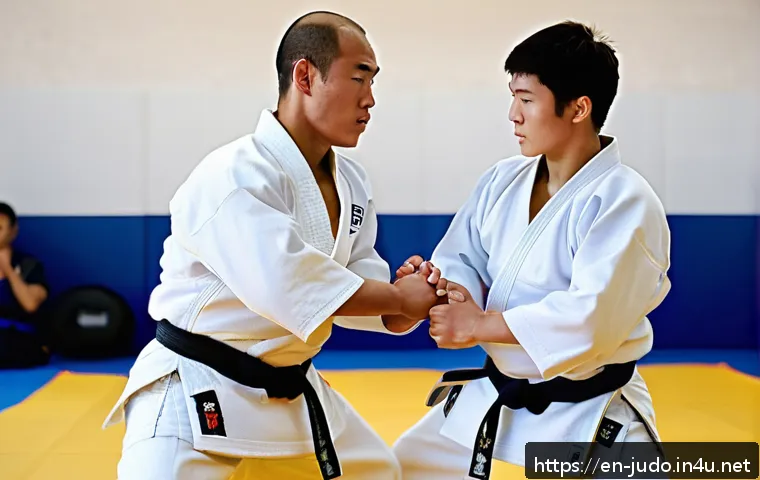
Judo involves a lot of twisting and leverage, which can easily lead to hyperextension if you’re not careful. Early on, I learned to recognize the warning signs—like sharp pain or sudden stiffness—and stop immediately.
Using controlled movements and avoiding forcing techniques beyond your range of motion is crucial. Partner cooperation plays a big role here too; both judokas should be mindful not to push each other into dangerous positions.
Recognizing and Managing Minor Injuries
Not every injury requires quitting the sport, but knowing when to rest and when to push through is key. I once ignored a minor wrist sprain, which eventually worsened and sidelined me for weeks.
Now, I treat any pain or swelling seriously, applying ice, compression, and rest as needed. Consulting a healthcare professional when unsure helps prevent small issues from becoming chronic problems.
Creating a Safe Training Environment
Maintaining Clean and Well-Padded Mats
The quality of the training surface makes a huge difference. When I trained in a dojo with worn-out mats, I noticed more bruises and slips. Mats that are clean, well-maintained, and sufficiently padded reduce impact and prevent infections.
Regular inspection and cleaning routines are essential for any dojo aiming to keep its members safe and healthy.
Ensuring Proper Supervision and Instruction
Having experienced instructors who emphasize safety is something I came to appreciate deeply. In one of my early classes, the coach was quick to correct unsafe habits and provide modifications for beginners.
This kind of guidance not only protects students physically but also boosts their confidence, knowing they’re learning under attentive eyes.
Setting Clear Rules for Sparring Intensity
Sparring sessions can easily get intense, which is great for skill development but risky without boundaries. I’ve found that agreeing on intensity limits before sparring creates a safer atmosphere.
This often means starting slow, avoiding full power throws until both partners are ready, and calling “matte” immediately if something feels off. Clear rules like these keep everyone safer and make sparring more enjoyable.
Balancing Progress and Patience in Judo Training
Recognizing That Mastery Takes Time
When I first started, I wanted to progress quickly and felt frustrated by slow improvements. Over time, I realized that rushing only increased my risk of injury and burnout.
Embracing patience allowed me to enjoy the process and build skills safely. Judo is a lifelong journey, and respecting that pace protects both your body and your passion.
Setting Realistic Goals and Tracking Progress
Setting small, achievable goals helped me stay motivated and focused. Whether it was perfecting a single throw or improving my balance, these milestones kept me grounded.
Tracking progress also highlighted how consistent, safe practice leads to steady improvement, which reinforced my commitment to safety and technique.
Learning from Setbacks and Staying Resilient
Injuries or mistakes can feel discouraging, but they’re part of the learning curve. I’ve had moments where I felt like giving up, but reflecting on what went wrong and adjusting my approach made all the difference.
This mindset not only helps you bounce back faster but also deepens your understanding of safe practice.
Summary Table: Key Safety Practices for Judo Beginners
| Safety Aspect | Why It Matters | Practical Tips |
|---|---|---|
| Ukemi (Breakfalling) | Prevents injury from falls by absorbing impact safely | Practice rolling and slapping the mat; stay relaxed during falls |
| Warm-Up & Stretching | Prepares muscles and joints, reduces strains | Include dynamic stretches and joint mobility exercises for 15+ minutes |
| Communication | Ensures mutual safety and respect during drills | Discuss intensity and limits before sparring or drills |
| Proper Technique | Reduces risk of injury by ensuring correct movements | Focus on basics; drill slowly and mindfully; use partner feedback |
| Injury Awareness | Prevents minor issues from becoming serious | Recognize pain early; rest or seek professional advice as needed |
| Safe Environment | Minimizes risk of slips, infections, and accidents | Train on clean, well-padded mats; follow dojo rules strictly |
| Patience & Progression | Supports long-term health and skill development | Set realistic goals; respect your body’s limits; learn from setbacks |
In Closing
Safe judo practice is a blend of proper technique, mutual respect, and mindful progression. By focusing on fundamentals like ukemi and communication, you build a strong foundation that protects both body and spirit. Remember, patience and consistency are your best allies on this journey. Embrace the process, and safety will naturally follow as you grow in skill and confidence.
Helpful Tips to Keep in Mind
1. Always prioritize learning how to fall safely before attempting advanced techniques.
2. Never skip warm-ups; they prepare your body and reduce the chance of injury.
3. Communicate openly with your training partners to ensure a supportive and safe environment.
4. Take time to drill slowly and mindfully, focusing on proper form rather than speed.
5. Listen to your body’s signals—rest and seek help when needed to avoid long-term damage.
Key Takeaways for Safe Judo Training
Building a solid safety mindset starts with mastering breakfalls and warming up thoroughly to prepare your body. Clear communication and respect among partners are essential to avoid misunderstandings that can lead to injury. Developing techniques gradually and paying attention to your physical limits help prevent overexertion. Finally, training under experienced supervision and maintaining a clean, well-equipped dojo environment create the best conditions for safe and enjoyable judo practice.
Frequently Asked Questions (FAQ) 📖
Q: How can beginners practice judo safely without getting injured?
A: For beginners, safety starts with learning proper falling techniques, known as ukemi. Practicing these falls repeatedly helps your body absorb impact safely and reduces the risk of injury.
Also, always warm up thoroughly before training and communicate openly with your partner about your skill level. Using controlled movements instead of forceful throws at the start allows you to build confidence gradually.
From my experience, focusing on these basics made a huge difference in feeling secure on the mat.
Q: What should I focus on during my first few judo classes?
A: In your initial classes, the key is mastering fundamental skills like grips, stance, balance, and breakfalls. Instructors often emphasize these because they form the foundation of all techniques.
Don’t rush into complex throws; instead, spend time getting comfortable with moving fluidly and reacting to your partner’s actions. I found that being patient and consistent with these basics helped me progress faster and avoid frustration or injury.
Q: Is it normal to feel intimidated when starting judo, and how can I overcome it?
A: Absolutely, feeling intimidated is very common, especially when stepping onto the mat with more experienced practitioners. The best way to overcome this is to remind yourself that everyone starts somewhere, and most people appreciate beginners who are eager to learn.
Building trust with your training partners and asking questions can create a supportive environment. Personally, sharing my concerns with my coach and focusing on small daily improvements helped me gain confidence and enjoy the learning process more.