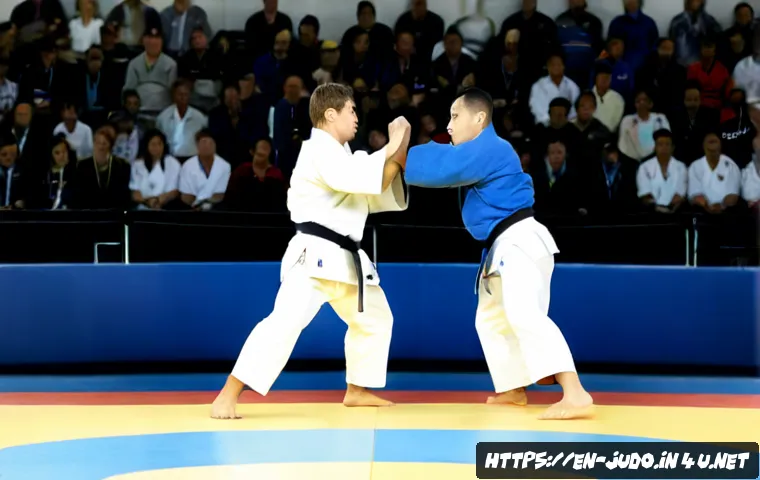
Judo reflects Olympic values through respect, courage, self-control, and fair competition. Learn how these principles appear on and off the mat, plus practical criteria for choosing a safe, well-run judo program.
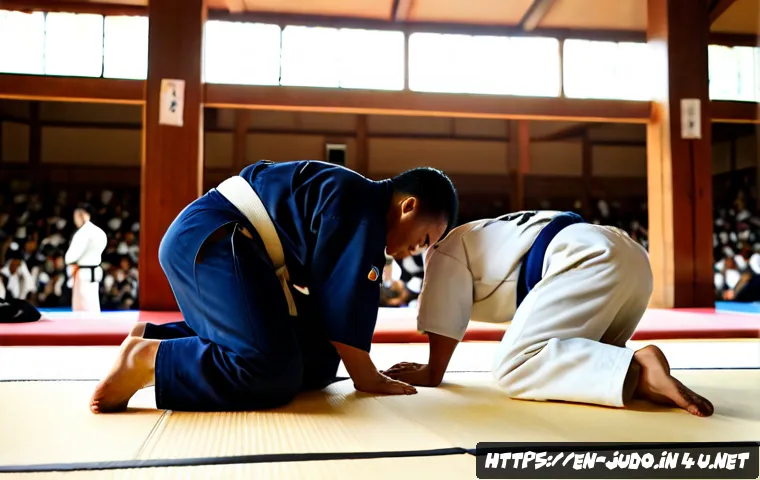
Judo can build Olympic values when training teaches respect, courage, self-control, and fair play in daily practice—not only during tournaments. The quality of coaching and club culture matters because partner-based learning depends on safe instruction, clear rules, and mutual trust.
For families, adult beginners, and students, a judo class can be a meaningful investment when its goals match the learner’s needs. A recreational club, a competition-focused program, and a school-based class may all offer value, but they do not provide the same structure or expectations.
Before paying membership fees or buying a uniform, ask how the program handles coaching, safety, class progression, and safeguarding. Medal counts can be useful context, but they should not be the only sign of a responsible training environment.
The best choice is usually the one that supports progress while keeping respect and long-term enjoyment central.
At a Glance
- Judo connects with Olympic values through respect, courage, self-control, and fair competition.
- Safe judo training depends on qualified coaching, partner cooperation, clear rules, and age-appropriate practice.
- When comparing judo clubs, look beyond medals and ask about class structure, safeguarding, fees, and trial lessons.
| Program Type | Typical Priority | Who May Prefer It | What to Check Before Joining |
|---|---|---|---|
| Recreational judo club | Skills, fitness, confidence, and regular practice | Adult beginners, casual learners, and families seeking a balanced activity | Beginner class structure, coaching style, uniform requirements, and membership terms |
| Competition-focused club | Tournament preparation and technical development | Students who want a clearer competitive pathway | Training schedule, competition expectations, travel costs, and pressure around results |
| School or community program | Access, basic movement, and youth development | Children trying judo for the first time | Instructor supervision, safeguarding practices, class size, and progression options |
What Olympic Values Look Like on a Judo Mat
Judo was founded in Japan by Jigoro Kano in 1882. It became part of the Olympic medal program for men at Tokyo 1964 and for women at Barcelona 1992. Olympic judo competition is governed internationally by the International Judo Federation, but Olympic-style values can appear in an ordinary local class as well.
Respect as a Daily Practice, Not Just a Pre-Match Bow
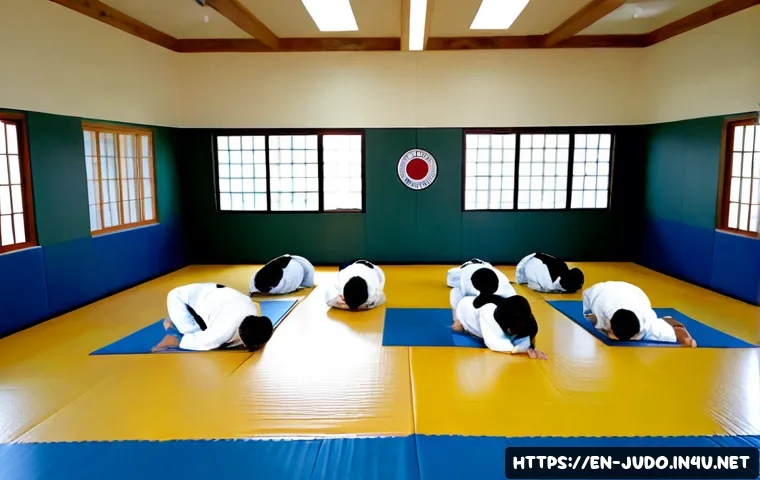
Respect in judo is visible in practical behavior. Students listen when a coach explains a safety rule. They treat training partners carefully. They acknowledge referees, coaches, and opponents with appropriate etiquette. A bow has meaning when it is supported by considerate conduct before, during, and after training.
A responsible judo club should make this standard clear for everyone, including experienced competitors. If a program praises results but ignores dismissive behavior, rough partner treatment, or disrespect toward beginners, its culture may not match the values it promotes.
Courage, Self-Control, and Learning After a Loss
Courage in judo is not simply about attacking or winning. It can mean trying a technique after repeated mistakes, returning to practice after a difficult session, or accepting feedback without blaming a partner. Self-control matters because throws, holds, joint locks, and strangles require students to follow rules and respond to instruction.
For young athletes especially, a coach should frame losses as information. A competition result can show which skills need work, but it should not define a student’s worth. Ask whether the club teaches athletes how to review a match calmly and set one or two realistic training goals.
Fair Play When Winning Matters
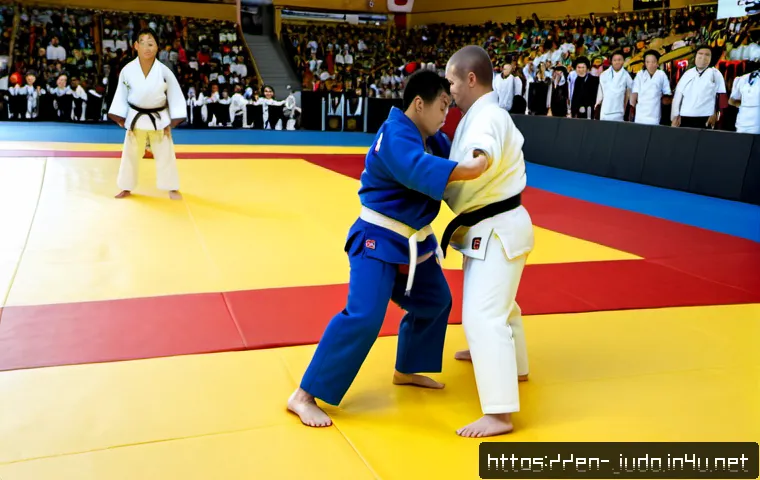
Fair play is tested most clearly when a score, grading, or selection decision feels important. In judo, respect for referees and opponents remains part of the sport even when an athlete disagrees with an outcome. A healthy program teaches learners to compete firmly while staying within the rules.
Watch how coaches discuss opponents, officials, and losing performances. Constructive feedback can be demanding without becoming humiliating. That distinction is important for both performance and personal development.
The Core Ideas Behind Judo Training
Two foundational principles shape judo: efficient use of energy and mutual welfare and benefit. These ideas make judo more than a collection of techniques. They also explain why good instruction, safe practice, and cooperative partners are essential.
Maximum Efficiency With Minimum Unnecessary Force
Judo emphasizes using energy efficiently rather than relying only on force. Beginners often discover that timing, balance, movement, and positioning matter. A well-run class breaks techniques into manageable steps instead of expecting students to perform difficult throws immediately.
This does not mean judo is effortless or risk-free. It means training should focus on learning sound movement and appropriate control. Ask whether beginner classes include clear instruction on falling safely and whether the pace allows new students to understand each stage.
Mutual Welfare and Benefit in Partner-Based Learning
Judo is learned with other people. One student practices a throw while another helps create a controlled learning situation. Both partners need to communicate, adjust intensity, and follow the coach’s directions. This is where mutual welfare and benefit becomes observable rather than theoretical.
A useful question for any judo club is simple: “How do you match partners when there are differences in size, age, or experience?” There is no universal answer, but a responsible instructor should have a clear approach rather than leaving beginners to manage everything alone.
Why Safe Practice Depends on Cooperation
Judo techniques can include throws, holds, joint locks, and strangles. Rules and age restrictions affect what is permitted in competition and training. Students should never assume that every technique is appropriate for every class or learner.
Look for coaches who explain boundaries, supervise partner work, and stop unsafe behavior promptly. Safety is not a separate topic from Olympic values; it is one of the clearest ways respect is put into action.
Comparing Judo Programs: Value, Cost, and Training Priorities
The right program depends on why someone wants to train. A child may need a welcoming introduction to structured sport. An adult may want fitness, skill development, and a social routine. An aspiring competitor may need more frequent technical sessions. Each goal can be valid, but families should compare the full commitment before enrolling.
Recreational, Youth-Development, and Competition Pathways
A recreational club may place more emphasis on regular participation and personal progress. A youth-development program may focus on age-appropriate learning, routines, and confidence. A competition-focused club may provide more tournament preparation and structured performance goals.
Neither competition nor recreation is automatically better. A beginner does not need to commit to tournaments to gain value from judo. Conversely, a competitive student may benefit from a program that takes technical training seriously while still protecting enjoyment and respectful behavior.
What Membership Fees May Include—and What to Confirm Separately
Costs vary by provider and location. Before joining, ask what the stated membership fee covers and what may be separate. Possible items to clarify include uniforms, grading, insurance, tournament entry, club registration, and equipment.
It is also sensible to ask about payment timing, cancellation terms, and whether a trial lesson is available. A transparent answer does not have to be complicated. The goal is to understand the total commitment before purchasing a judo uniform or agreeing to a longer membership.
When Private Coaching or Specialist Strength Training May Be Useful
Private coaching or specialist strength training may be useful for learners with specific technical goals or competition plans. They are not essential for every beginner. First, make sure the regular class provides safe instruction, enough practice time, and feedback that the student can understand.

If extra coaching is considered, ask what it is designed to improve and how it fits with normal judo sessions. Additional services should support the learner’s goals, not create unnecessary pressure to spend more.
Common Mistakes When Learning Olympic-Style Values Through Sport
Values are not learned automatically because a sport is Olympic. They need to be reinforced through coaching decisions, club policies, and everyday behavior.
Treating Medals as the Only Measure of Progress
Medals can represent successful performance, but they do not show everything. A student may improve balance, discipline, technical awareness, confidence, and respect for training partners without standing on a podium. A club that recognizes only winners can miss these important forms of growth.
Ignoring Respectful Behavior Outside Competition
Respect should continue after the bow and beyond the tournament venue. This includes how students speak to teammates, how coaches correct mistakes, and how families behave at events. If the atmosphere becomes hostile when results do not go well, the lesson is no longer aligned with fair play.
Choosing a Club Without Checking Safety and Safeguarding Practices
Do not rely only on promotional claims, social media clips, or a list of past achievements. Ask direct questions about instructor qualifications, supervision, safeguarding, first steps for beginners, and how concerns are handled. The specific standards and policies of an individual club must be confirmed with that provider.
Guidance for Parents, Adult Beginners, and Aspiring Competitors
A good decision starts with an honest view of the learner’s needs. Age, fitness level, injury history, schedule, and competitive goals can all affect whether a particular program feels suitable.
Questions Parents Can Ask Before Enrolling a Child
Parents can ask who supervises the class, how beginners are introduced to partner work, how the club handles behavior concerns, and what equipment is needed at the start. It is also useful to ask whether children are grouped by age, experience, or another structure that the coach can explain.
Pay attention to whether the answers are clear and patient. A club that welcomes questions before enrollment is more likely to communicate well after enrollment.
How Adult Beginners Can Set Realistic Goals
Adult beginners can start with simple goals: attend consistently, learn basic movement, understand judo etiquette, and train safely with partners. There is no need to decide immediately whether competition, grading, or advanced training is a future priority.
If you have an injury history or a concern about fitness, discuss it directly with the program before participating. A judo club cannot determine what is appropriate for every individual without knowing relevant circumstances.
Balancing Competition Goals With Long-Term Enjoyment
Aspiring competitors can aim high while keeping perspective. Strong technical development usually requires patience, regular training, and the ability to learn from setbacks. A program that supports competitive goals should also protect the habits that make long-term participation possible: respect, recovery, communication, and enjoyment.
Choosing a Judo Program: A Practical Comparison Summary
Before committing, compare programs using a few decision-stage checks:
- Instructor: Ask about coaching background, beginner support, and how technical feedback is delivered.
- Safety: Confirm supervision, age-appropriate practice, partner matching, and safeguarding procedures.
- Culture: Observe how students, coaches, referees, and opponents are treated.
- Schedule: Check whether class times and training frequency fit realistic family or work routines.
- Total cost: Clarify membership fees, uniforms, grading, insurance, and possible competition-related costs.
- Trial lesson: If offered, use it to see whether the class is structured, welcoming, and well supervised.
For official program details, equipment requirements, and current membership conditions, check the provider’s information page directly before enrolling.
Final Thoughts
Judo can reflect Olympic values in a very practical way: through how people train, compete, listen, and care for one another on the mat. Its principles of efficient movement and mutual welfare give coaches and students a useful standard for daily behavior. The right judo program is not necessarily the one with the loudest results; it is the one that clearly supports safety, learning, respect, and the learner’s actual goals.
Useful Information to Keep in Mind
Olympic history: Men’s judo became an Olympic medal sport at Tokyo 1964, while women’s judo became an Olympic medal sport at Barcelona 1992.
Core etiquette: Respect for opponents, referees, coaches, and training partners is central to judo practice.
Training scope: Judo includes throws, holds, joint locks, and strangles, but rules and age restrictions affect what is allowed in different settings.
Important Notes
Individual judo clubs differ in coaching quality, safeguarding standards, qualifications, fees, and suitability for a particular learner. Confirm these details directly with the club before joining. A program’s appropriateness can also depend on a student’s age, fitness, injury history, and competitive ambitions.
Frequently Asked Questions
Q1. How does judo reflect Olympic values in everyday training?
A1. Judo reflects Olympic-style values through respectful etiquette, controlled partner practice, fair competition, and the willingness to learn from mistakes. These values are strongest when coaches and students apply them consistently, not only at tournaments.
Q2. What should parents check before paying for a children’s judo program?
A2. Parents should ask about instructor qualifications, safeguarding, supervision, beginner class structure, age-appropriate practice, required equipment, and which fees may be charged separately. A trial lesson can also help families observe the club’s culture and communication.
Q3. Is a competition-focused judo club better than a recreational club for beginners?
A3. Not necessarily. A competition-focused club may suit a learner who wants tournament preparation, while a recreational club may be a better fit for someone prioritizing basic skills, fitness, and enjoyment. The best choice depends on the learner’s goals and the program’s safety and coaching standards.