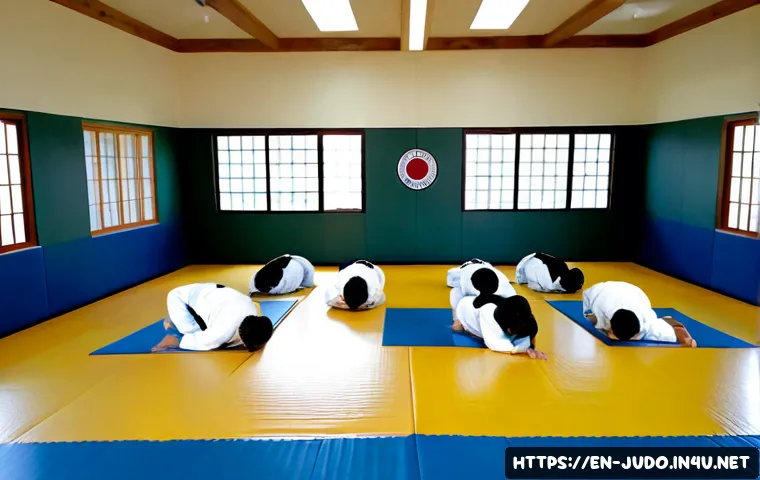
A reputable judo club is one that offers qualified instruction, a clear beginner pathway, safe partner practice, and transparent membership terms. The best-known dojo is not automatically the best choice; the right club matches your goal, schedule, budget, and need for personal attention.
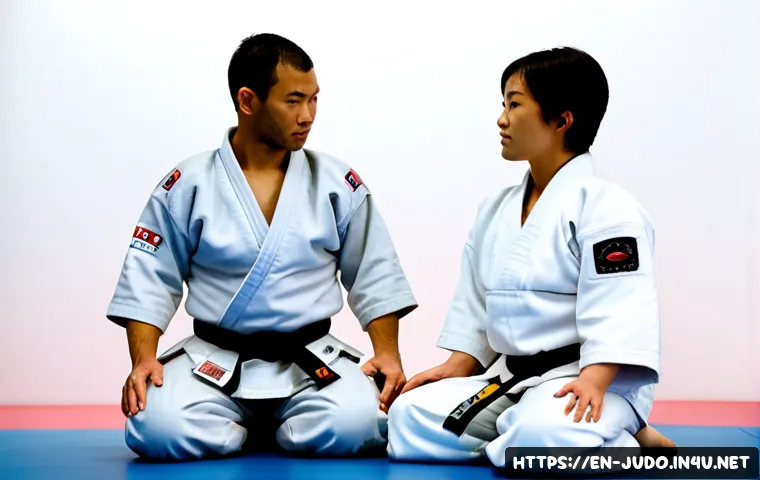
Before paying for a trial class or membership, compare how new students are taught to fall, how classes are supervised, and what the full cost includes.
Monthly dues are only one part of the decision, since uniforms, registration, grading, private coaching, and event travel may also apply. Parents should also look closely at youth supervision, communication, and the way instructors manage mixed experience levels.
A short visit and a clear set of questions can reveal more than online ratings alone.
At a Glance
- Check coaching quality, beginner safety, and class structure before comparing price alone.
- Ask for the total membership cost in USD, including uniforms, registration, grading, and optional competition expenses.
- Use a trial class to compare instructor attention, schedules, facility standards, and membership terms.
| Comparison Area | What a Strong Club Usually Shows | What to Confirm Before Joining |
|---|---|---|
| Coaching | Structured instruction, visible supervision, and clear feedback | Coach background, beginner teaching approach, and attention during partner work |
| Class Access | Separate or well-managed adult, youth, and beginner sessions | Weekly class frequency, make-up class options, and schedule fit |
| Safety and Facilities | Clean mats, organized practice, and respectful training etiquette | Mat hygiene, changing areas, spectator rules, and travel convenience |
| Membership Value | Clear pricing and no confusing enrollment pressure | Monthly dues, trial-class terms, uniform costs, registration, and cancellation policy |
| Competition Pathway | Optional support for students who want to compete | Coaching availability, event expectations, and possible travel costs |
What Makes a Judo Club Reputable?
Qualified coaching, structured classes, and clear beginner progression
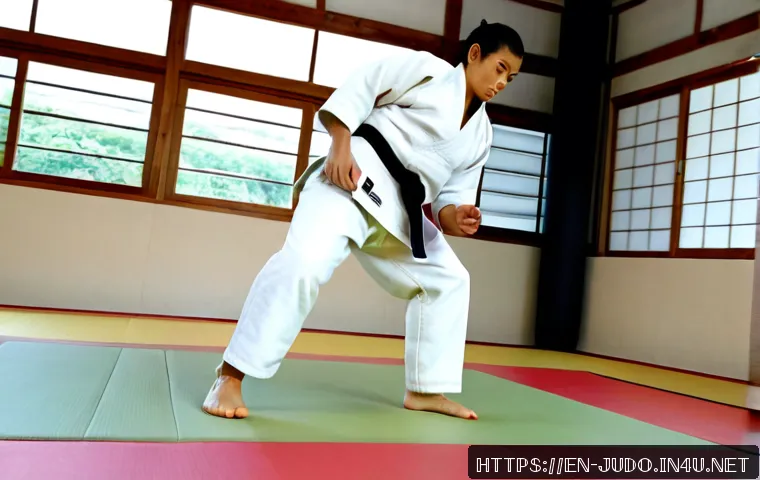
A respected judo club should make it easy to understand how a new student starts. Beginners need more than a hard workout. They need instruction in basic movement, falling, grips, partner awareness, and class etiquette before more demanding practice. Look for a coach who explains what students are doing and corrects technique in a calm, practical way.
Ask how the club introduces new members and whether beginners train alongside advanced students immediately. Mixed-level training can work well when it is supervised properly. It is less suitable when a newcomer is expected to keep up without guidance.
A training culture that balances discipline, safety, and respect
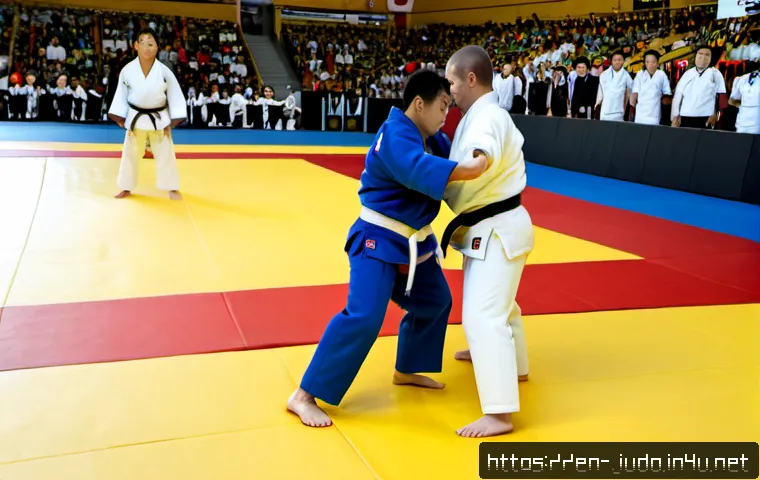
Judo involves close partner work, so the atmosphere matters. A good dojo can be disciplined without being intimidating. Students should appear attentive, respectful, and able to ask questions. For youth sports, observe whether instructors actively supervise pairings and give children age-appropriate direction.
Be cautious if a club treats safety questions as a sign of weakness or rushes visitors into a long-term contract. Strong training culture includes clear expectations, not unnecessary pressure.
Why “well-known” does not always mean “best for your goal”
A popular club may have experienced competitors, a long history, or a busy social-media presence. Those can be positive signs, but they do not confirm that its schedule, beginner support, or membership pricing fits your needs. An adult looking for fitness may value flexible evening classes. A parent may value communication and supervision. A competition-focused athlete may need deeper technical training and tournament preparation.
Compare Local Judo Clubs Before You Join
Coaching approach and student-to-instructor attention
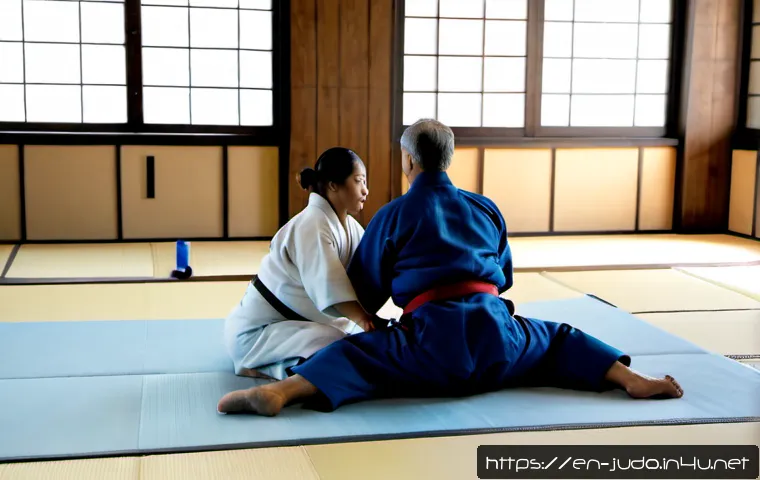
During a visit, watch how often instructors notice and correct students. Ask whether the club offers private coaching, but do not assume it is required for progress. Private lessons may be useful for individual goals, yet a well-run group class should still provide meaningful instruction and safe partner matching.
Adult, youth, and beginner class availability
Compare the timetable, not just the club’s location. A nearby dojo is not a strong value if you can rarely attend. Check whether beginner classes are offered consistently, whether adult and youth sessions are separate where appropriate, and whether missed sessions can be made up. For families, ask whether there is a family-plan option and what conditions apply.
Facility quality, mat hygiene, changing areas, and travel convenience
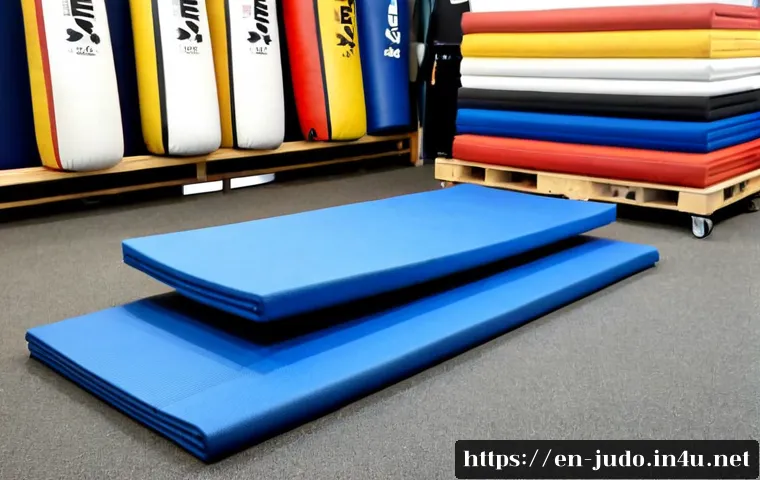
You do not need a luxury facility to train well. You do need a space that appears organized and suitable for regular practice. Look at the condition and cleanliness of the mats, available changing areas, and the general flow of students entering and leaving class. Consider parking, public transport, and the realistic travel time after work or school.
Membership fees, trial sessions, uniforms, and additional costs
Ask for a written explanation of the total expected cost. Monthly dojo membership may not include a judo uniform, registration or affiliation fees, grading fees, tournament entry, travel, or private coaching. A trial class can be useful, but confirm whether it is free, paid, credited toward membership, or subject to specific conditions.
Compare value rather than chasing the lowest monthly price. A slightly higher membership cost may be reasonable if it provides more usable class times, stronger beginner instruction, or clearer support. Request the official membership terms and fee details from each club before committing.
What to Ask During a Trial Judo Class
How beginners are introduced to falling, gripping, and partner work
Ask how first-time students learn to fall safely and how partners are selected. A beginner should not feel pressured to perform techniques beyond their understanding. Notice whether instructors explain the purpose of drills and stop practice when students need correction.
Whether instructors explain injury prevention and training etiquette
A trial class should show you how the club handles warm-ups, personal hygiene, safe spacing, and respectful conduct. Ask what students should do if they feel uncomfortable with a drill or need help. Clear answers are often a better sign than vague promises.
Questions about contracts, cancellation terms, and make-up classes
Before you enroll, ask whether membership is month-to-month or contract-based, how cancellation works, and whether fees change over time. Also ask about frozen memberships, make-up classes, and uniform requirements. These details affect the real membership value, especially for busy adults and families.
Choosing a Club for Your Training Goal
Recreational fitness and practical skills
For general fitness, look for regular beginner-friendly classes, a welcoming pace, and a schedule you can maintain. Judo can build movement awareness and discipline, but consistency matters more than selecting the most intense room on day one.

Youth confidence, coordination, and structured sport participation
Parents should focus on supervision, communication, and age-appropriate coaching. Observe how instructors speak to children, manage waiting time, and respond when a child struggles. The best youth program is one where safety and steady learning are visible, not merely advertised.
Competition-focused training and tournament preparation
If competition is your goal, ask whether the club offers a defined pathway for tournament preparation. Confirm how competition coaching works, whether events are optional, and what costs may arise from entry fees, uniforms, travel, and additional training. Competitive results alone do not tell you whether the environment is right for your current level.
Common Enrollment Mistakes to Avoid
Choosing only by distance or the lowest monthly price
Convenience matters, but a low-cost club that does not fit your schedule or learning needs may become poor value. Compare the number of classes you can realistically attend and the quality of beginner support you receive.
Ignoring hidden costs such as uniforms, affiliation fees, and events
Ask for costs in categories. This makes it easier to compare one club’s monthly dues with another club’s registration, uniform, grading, and event expectations. Do not rely on assumptions about what is included.
Joining before observing how beginners and children are supervised
Watch at least part of a regular class if possible. Pay attention to how instructors pair students, correct unsafe movement, and handle newcomers. For a youth program, this observation is especially important.
Selection Criteria and Comparison Summary
The best fit for a first-time adult student
A first-time adult often benefits most from a club with clear introductory instruction, manageable class times, and patient coaching. Choose the option where you can attend regularly and feel comfortable asking basic questions.
The best fit for parents evaluating youth programs
Prioritize visible supervision, respectful communication, clean training areas, and clear policies. Ask how beginners are introduced to partner drills and how the club keeps parents informed about schedules, fees, and expectations.
When higher fees may be worth paying for coaching depth or schedule flexibility
Higher membership fees may offer better value when they provide meaningful access: more suitable class times, stronger coaching attention, a well-organized beginner program, or a clear competition pathway. The key is whether those benefits matter for your goal.
Choose Your Club
Before enrolling, compare these points: beginner instruction, supervision, class schedule, travel time, total costs, and membership terms. Attend or observe a trial class, then write down what each dojo includes and what requires an extra payment. Check the club’s official information page for current trial-class availability, schedules, uniform requirements, and membership conditions.
In Closing
A reputable judo club should feel organized, respectful, and transparent from your first visit. Look beyond popularity and compare the details that shape your weekly experience. A careful trial-class comparison can help adults and parents choose a club with better long-term value. The right dojo is one you can attend consistently while learning in a safe, well-supported environment.
Useful Information to Know
1. Bring questions about total cost, not just monthly dues.
2. Confirm whether a uniform is required immediately or later.
3. Ask how beginner classes handle partner selection and falling practice.
4. Compare schedules based on the classes you can realistically attend.
5. Keep a copy of membership and cancellation terms before signing.
Important Notes
Club recognition, current pricing, coach qualifications, safeguarding policies, trial availability, and competition records vary by location and may change. Confirm all current details directly with the individual judo club. This guide is a comparison framework, not a recommendation of any specific dojo or program.
Frequently Asked Questions
Q1. How much does it usually cost to join a judo club in the United States?
A1. Costs vary by club and region. Ask for the full amount in USD, including monthly dues, registration, uniforms, grading, optional private coaching, and any competition-related expenses. A written breakdown makes club-to-club comparison easier.
Q2. What should beginners look for when choosing a safe judo dojo?
A2. Look for clear beginner instruction, supervised partner work, clean mats, respectful etiquette, and instructors who explain falling practice and safety expectations. Observe a class and ask how newcomers are introduced before joining.
Q3. Are trial classes a good way to compare judo clubs before paying for membership?
A3. Yes. A trial class or observation visit can help you compare coaching style, class pace, facility condition, schedule suitability, and membership communication. Confirm the trial terms and all membership conditions before making a payment.