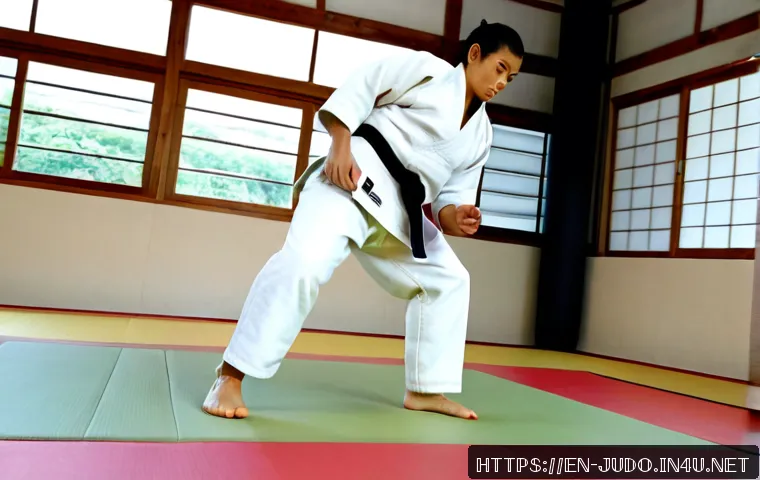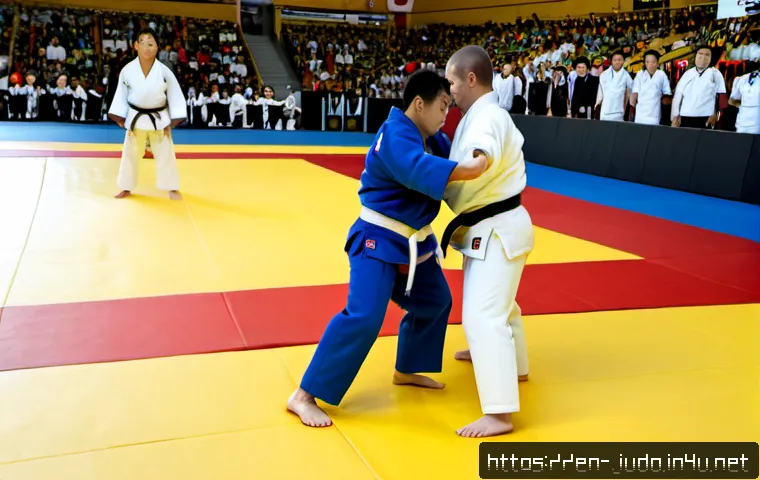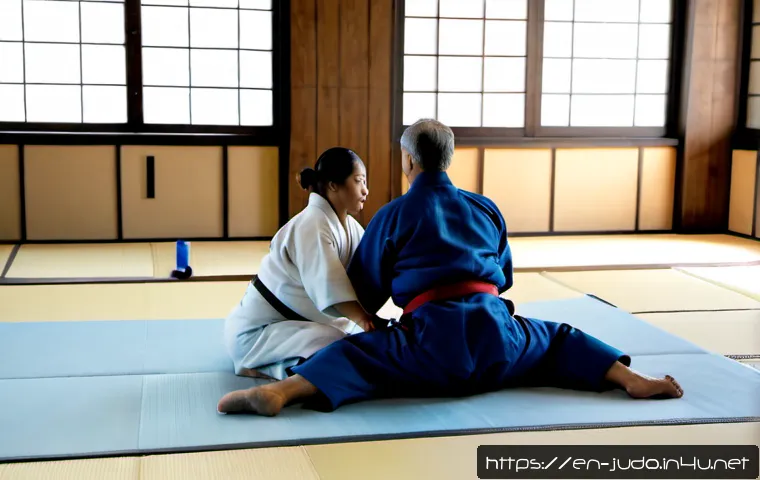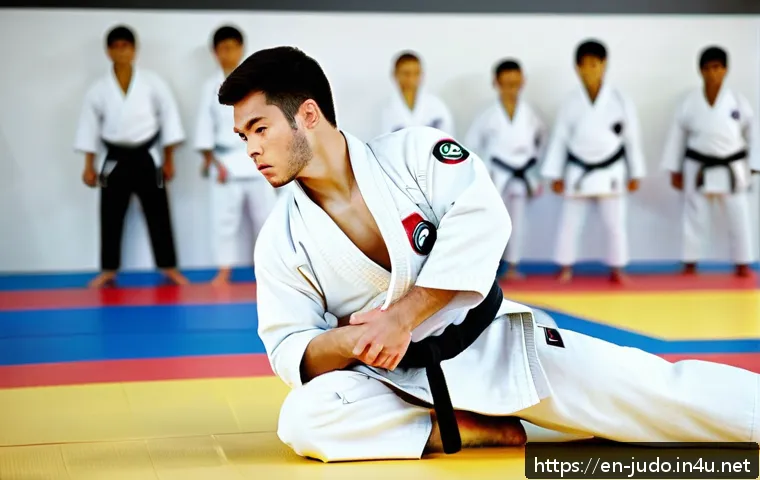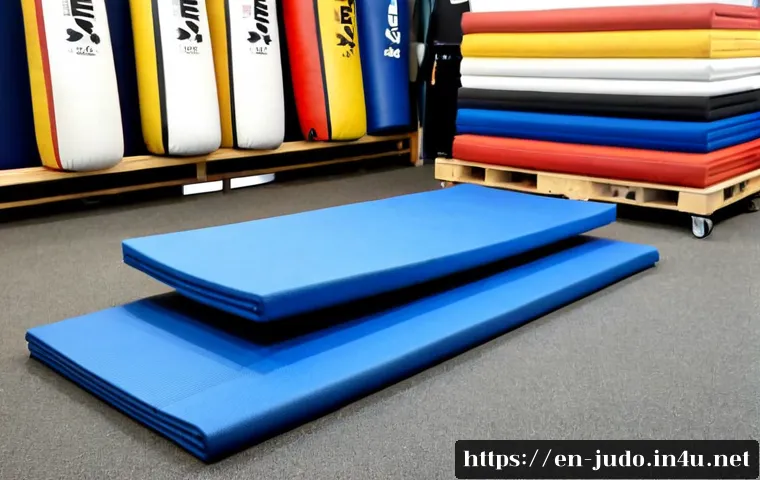
For regular judo throws and breakfalls, a purpose-built tatami-style system is generally the stronger choice; puzzle mats are better suited to solo drills and lighter partner work.
Choose the mat category based on training intensity, usable floor area, seams, and the condition of the floor underneath—not on thickness or sticker price alone.

A home setup may prioritize portability and simple installation, while a club may need durable surfaces, stable edges, and supplier support for a larger installation.
Roll-out mats can suit temporary training spaces, but they still need a flat, secure base. Before comparing products, measure the clear training zone and allow room away from walls, furniture, and hard edges.
Delivered cost also matters, because freight, borders, tape, storage, and installation can change the real budget. Check current venue, insurance, and organization requirements before buying mats for competition or commercial use.
At a Glance
- Solo drills or limited space: Interlocking foam tiles can be practical when easy installation and storage matter most.
- Light partner practice: A stable roll-out surface or carefully secured modular setup may suit temporary training areas.
- Frequent throws and club sessions: Compare purpose-built tatami-style judo mats and request installation guidance when needed.
| Mat Category | Best Fit | Main Trade-Off | Cost Factors to Compare |
|---|---|---|---|
| Interlocking puzzle mats | Solo movement drills, groundwork, flexible home setups | Seams may be less suitable for intensive throwing practice | Coverage area, borders, tape, storage, replacement tiles, delivery |
| Roll-out mats | Temporary training rooms and spaces that must be cleared | Needs a flat base and secure placement to avoid shifting | Freight, storage, handling, edge finishing, installation time |
| Tatami-style systems | Regular judo practice, repeated breakfalls, club training | Less portable and may involve a larger upfront commitment | Mat area, surface construction, delivery, borders, professional installation quote |
Start With Training Safety, Not the Lowest Price
The best judo mat is the one that matches how often you train, what you practice, and where the mat will sit. Judo includes throws, breakfalls, groundwork, and repeated impact. That makes fall protection and stability more important than a low initial mat price.
The Quick Answer for Home Drilling, Partner Practice, and Club Sessions
For individual footwork, conditioning, and controlled groundwork, a modular home-gym mat may be a reasonable starting point. For partner drills, inspect how firmly the pieces stay together and whether the surface remains flat under movement. For regular throws, prioritize a purpose-built martial arts flooring system designed around repeated impact and a secure training surface.
Why Throws and Breakfalls Change the Flooring Decision
A mat that feels comfortable for stretching or exercise is not automatically appropriate for throwing practice. Breakfalls place repeated impact demands on the foam core, surface, seams, and the subfloor below. Mat thickness is only one part of protection. Foam density, construction, floor condition, and the type of drill all affect how the setup performs.
Measure the Usable Practice Zone and Safety Clearance First
Measure the clear area you can actually use, not just the room dimensions. Keep training space away from walls, furniture, door frames, exposed equipment, and other hard edges. A compact room may still work for solo drilling, but limited clearance can make partner practice or throws unsuitable. Plan the mat layout before requesting a supplier quote or ordering individual tiles.
Compare the Main Types of Martial Arts Flooring
Interlocking Foam Tiles for Flexible Home Setups
Interlocking puzzle mats are often attractive for a home dojo because they are easier to install, move, add to, or store than permanent flooring. They can make sense when the room has more than one use or when you need to build coverage gradually. Their limitation is the seam: under more intensive throwing practice, joined pieces can create gaps, lift, or shift depending on the layout and use.
Choose this category for convenience, but do not assume modular means suitable for every judo session. Check the connection design, edge pieces, available border options, and how the tiles sit on your existing floor.
Roll-Out Mats for Temporary Training Areas
Roll-out mats can be useful when a training area must be set up and packed away. They may be worth comparing for garages, community rooms, schools, or multi-use spaces. The key question is whether the mat can lie flat and remain stable throughout training.
Before buying, consider where the rolls will be stored, who will move them, and whether the floor beneath is level and clean. A temporary setup still needs safe edges and enough surrounding clearance for the planned activity.
Tatami-Style Systems for Regular Judo Practice
Tatami-style martial arts mats commonly combine a textured vinyl surface with a foam core. This construction is familiar in martial arts settings because it aims to balance traction, cleaning practicality, and impact management. For regular throwing and breakfall practice, this category is usually the one to compare most closely.
Look beyond the product photo. Ask about the foam construction, surface texture, seam design, installation method, and recommended use. If you train in a gi, consider how the surface feels during standing movement, groundwork, and repeated transitions.
When a Professional Gym-Floor Installation Makes Sense
A professional installation may be worth considering when a dojo, school, or small club runs frequent sessions with regular throws. It can help address layout, edge finishing, and a consistent training surface across a larger area. It does not remove the need to check local safety rules, venue requirements, or current insurance conditions.
Request a commercial installation quote when throws are frequent, the room is shared by many users, or the project involves a large coverage area. Compare what is included: mat placement, borders, tape or joining materials, delivery, and any preparation expected for the subfloor.
Evaluate Thickness, Density, Grip, and Surface Construction
Why Foam Density Matters Alongside Mat Depth
It is tempting to shop by thickness alone, but that does not tell the full safety story. Foam density and the floor beneath the mat affect impact absorption as well. A mat should be evaluated as part of a complete flooring system rather than as an isolated product specification.
Describe your intended training honestly when speaking with a supplier: solo drills, youth practice, controlled partner work, or repeated adult throws are different use cases. Ask which product construction is intended for that level of impact rather than relying on a single specification.
Surface Texture, Barefoot Traction, and Gi Training
Surface grip influences comfort and control during movement. A textured vinyl finish is common on tatami-style mats, but texture, traction, and feel can vary by product. Consider whether users will train barefoot, wear martial arts footwear where permitted, or spend substantial time in gi groundwork.
A surface should support controlled movement without becoming difficult to clean or unpleasant during mat work. When possible, review the supplier’s material description and care guidance before committing to a full room installation.
Seams, Gaps, Edges, and Shifting Mats
Inspect the areas where mats meet. Seams and outer edges deserve extra attention because they can affect stability, especially during partner movement. Interlocking sections should fit securely, roll-out sections should lie flat, and exposed edges should be addressed with suitable borders or placement away from active training zones.
Do not place a mat layout so close to hard objects that a minor shift creates a greater hazard. Recheck the setup after moving furniture, changing the layout, or adding new mat sections.
Cleaning and Moisture-Management Considerations
A practical mat is one your household, club, or facility can maintain consistently. Follow the surface cleaning instructions provided for the specific material. Keep the training area dry, address spills promptly, and inspect for wear, lifted seams, or damage before sessions.
Cleaning needs can also influence value. A lower purchase price may not be a better long-term choice if the material is difficult to maintain for the way your group trains.
Budget for the Full Setup Rather Than the Mat Price Alone
Calculate Coverage by Square Foot or Square Meter
Start with the usable training area, then compare the coverage supplied by each product in square feet or square meters. This makes it easier to compare different tile sizes, roll widths, and tatami systems fairly. Keep safety clearance in mind instead of filling every available inch of the room.
Include Freight, Borders, Tape, Storage, and Replacement Costs
The listed mat price is only one part of the decision. Your total delivered cost may include freight, taxes, edge borders, joining tape, storage needs, replacement sections, and installation time. These costs vary by seller and location, so a supplier quote can be more useful than comparing product pages alone.
For a temporary setup, also think about handling. A mat that is easy to purchase but difficult to move, store, or reassemble may not fit your routine.
Decide Whether Modular Convenience Offsets a Higher Unit Price
Modular flooring can offer value when you need to expand, relocate, or replace only part of the surface. A more fixed tatami-style system may offer a better fit for a dedicated training room with frequent use. The right value comparison is not simply cheap versus expensive; it is training suitability, usable lifespan, setup time, and ongoing maintenance.
Match the Setup to Your Training Environment
Small Apartment or Garage Training Space
In a small apartment, prioritize clear space, easy storage, and drills that fit the room safely. In a garage, inspect the underlying floor, moisture conditions, and hard edges before relying on a mat surface. Both settings may be better suited to solo drilling or controlled groundwork than unrestricted throws.
Family Training and Youth Practice
Family setups need simple rules: keep the surface clear, check seams before use, and match activities to the available clearance. Youth practice may involve different supervision, program, venue, and safety expectations. Confirm what the instructor or program requires before purchasing a specific mat construction.
School, Community Center, or Small Club Sessions
Shared venues often need portable flooring and a fast setup process. Roll-out mats or modular systems may be considered for this reason, but stability and edge management remain essential. Ask the venue about flooring restrictions, storage access, cleaning procedures, and current safety requirements before placing an order.
High-Frequency Dojo Training With Regular Throws
For a dedicated dojo with regular throws, compare dojo-grade tatami systems with attention to foam core, surface construction, secure layout, and installation support. This is also the situation where a commercial flooring quote can clarify the real scope of the project. Check whether your organization, venue, or insurer has current requirements that apply to your facility.
Selection Criteria and Comparison Summary
Best Choice When Portability Is the Priority
Consider interlocking tiles or roll-out mats when the room must return to another use. Compare setup time, storage needs, edge pieces, and how reliably the surface stays in place.
Best Choice When Throw Safety Is the Priority
For frequent throws and breakfalls, focus on purpose-built tatami-style martial arts flooring rather than choosing by low price or thickness alone. Review the foam construction, subfloor, seams, room clearance, and intended training intensity together.
Best Choice When Durability and Professional Appearance Matter
A dedicated tatami system may be the stronger comparison point for a club or permanent training room. A consistent layout, finished edges, and a surface designed for martial arts use can matter more in a high-use environment than easy portability.
Final Pre-Purchase Checklist
Compare delivered price per square foot or square meter. Confirm the usable training area and wall clearance. Ask how seams and outer edges are managed. Review cleaning guidance and storage needs. Verify whether the subfloor is appropriate for your planned training. If throws are frequent, request a commercial installation quote and confirm applicable organization, venue, or insurance requirements. For product-specific construction details, check the supplier’s official specification page.
Closing Thoughts
A judo mat purchase should begin with the training you will actually do, not the lowest advertised mat cost. Puzzle mats, roll-out mats, and tatami systems each have a place, but they do not serve the same level of impact or frequency of use. Give equal attention to the mat, the floor beneath it, the room layout, and the full delivered cost. A careful comparison now can make the training area more practical to use and easier to maintain.
Useful Information to Know
1. Check seams and edges before partner training.
2. Keep hard furniture and walls outside the usable practice zone.
3. Review surface care instructions before selecting a material.
4. Compare supplier quotes using the same coverage area and included accessories.
5. Reassess the setup if training intensity changes from drills to regular throws.
Important Notes
No single thickness, density, or mat construction is automatically right for every athlete, room, or training program. The suitability of a particular model depends on intended use, existing subfloor conditions, installation, and applicable local or organizational requirements. Total cost, freight, taxes, accessories, and installation can vary by seller and location. Confirm current product specifications and facility requirements before purchase.
Frequently Asked Questions
Q1. What type of mat is safest for practicing judo throws at home?
A1. For regular throws and breakfalls, compare purpose-built tatami-style martial arts mats rather than relying on general exercise flooring. Safety also depends on foam density, the floor beneath the mat, secure seams, room clearance, and the type of training. Confirm that the specific setup suits your space and training plan.
Q2. Are interlocking puzzle mats good enough for judo practice?
A2. They can be useful for solo drills, conditioning, and some light groundwork because they are easy to install and move. However, their seams may be less suitable for intensive throwing practice. Inspect how securely the tiles connect and choose a different mat category if frequent throws are part of the plan.
Q3. How should I compare judo mat prices when shipping and installation are included?
A3. Compare the total delivered setup cost for the same usable coverage area. Include freight, taxes, borders, tape, storage, replacement needs, and installation time or a commercial installation quote. A lower unit price may not be the lower overall cost once those items are included.