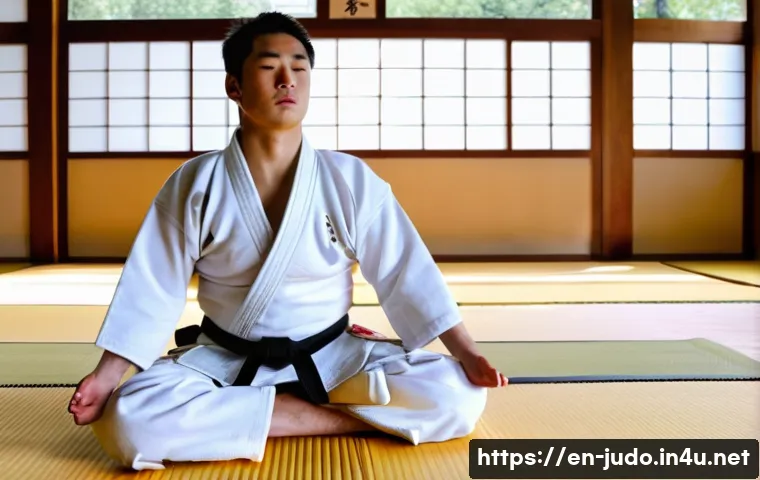
Mastering breath control is a game-changer in judo training, influencing not only your endurance but also your mental clarity during intense matches. Many athletes underestimate how strategic breathing can enhance their performance, helping them stay calm under pressure and recover faster between bouts.
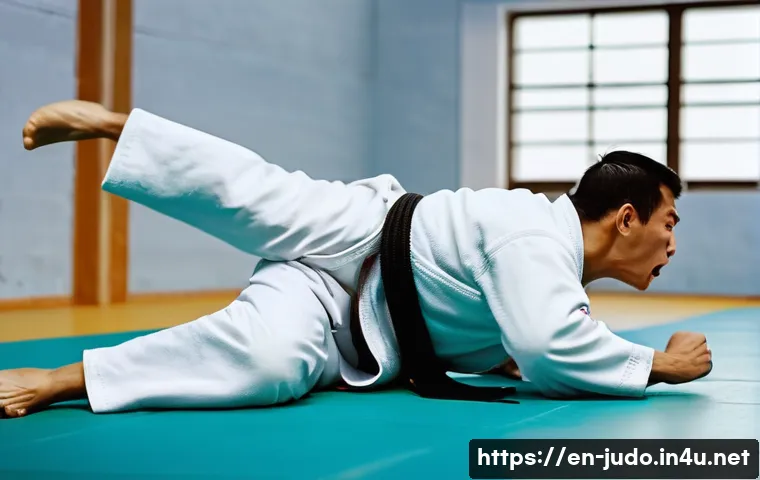
From maintaining energy levels to executing techniques with precision, breath management plays a vital role in every aspect of judo. If you’ve ever felt winded halfway through a session, understanding these techniques could transform your training experience.
Let’s dive deep and uncover the secrets behind effective breathing in judo so you can elevate your practice to the next level. I’ll guide you through the details step by step!
Unlocking the Power of Controlled Breathing in Judo
Understanding the Connection Between Breath and Performance
Breathing is often overlooked as a fundamental tool in judo, yet it directly influences how your body and mind perform during intense training or competition.
When you control your breath, you’re essentially managing your oxygen intake, which fuels your muscles and brain. I remember during one of my tougher sessions, when I consciously slowed my breathing, I noticed my heart rate dropped, my movements became smoother, and my decision-making sharpened.
This isn’t just about taking deep breaths but about syncing your breathing rhythm with your physical exertion. By doing so, you’re not only staving off fatigue but also calming your nervous system, which is crucial in a sport where quick reflexes and mental clarity can turn the tide.
Breathing Techniques That Elevate Endurance
Judo matches and drills can push your aerobic and anaerobic systems to their limits. One technique that worked wonders for me was diaphragmatic breathing, where you focus on expanding your belly rather than your chest.
This type of breathing increases lung capacity and improves oxygen exchange, allowing you to sustain higher intensity for longer periods. During training, try inhaling deeply through your nose for about four seconds, hold briefly, then exhale slowly through your mouth for six seconds.
This simple pattern helped me recover faster between rounds and kept my energy steady throughout the session. Over time, integrating this into your warm-ups and cooldowns can condition your body to handle stress better and delay the onset of breathlessness.
How Breath Control Enhances Technical Precision
Precision in judo isn’t just muscle memory; it’s tightly linked to how relaxed and focused you are. When you’re breathless or tense, your body tends to tighten up, making smooth execution of throws and holds difficult.
I’ve found that by using controlled exhalations during critical moves—like releasing breath slowly as you throw or pin an opponent—I can maintain better balance and fluidity.
This not only conserves energy but also reduces the chance of injury from jerky or rushed movements. Practicing breath timing with your techniques creates a rhythm that feels almost automatic, allowing you to stay in control even under pressure.
Building Mental Resilience Through Breath Awareness
Calming the Mind in High-Stress Situations
Judo matches can get intense—heart pounding, adrenaline rushing, and the crowd roaring. It’s easy to get overwhelmed, but breath control is a secret weapon for mental resilience.
I recall a tournament where my opponent was relentless, and I started to feel panic creeping in. I shifted my focus to slow, steady breathing, which immediately calmed my racing thoughts and helped me think strategically instead of reacting impulsively.
This mental calmness enabled me to anticipate my opponent’s moves better and conserve energy for the critical moments. Breath awareness acts like a reset button for your brain, allowing you to regain focus and stay composed.
Using Breath as a Tool for Visualization and Focus
Before stepping onto the mat, I like to combine breath control with visualization. Taking slow, deep breaths while imagining successful techniques or match scenarios helps me enter a focused, almost meditative state.
This mental rehearsal primes both mind and body, making the actual performance smoother and more confident. Breath control here acts as a bridge between mental preparation and physical readiness.
It’s a simple yet powerful way to reduce pre-match anxiety and boost your overall mental game.
Practical Exercises to Integrate Breath Control into Daily Training
Warm-Up Breathing Drills
Starting your training with breath-focused warm-ups sets the tone for the entire session. I recommend a routine where you combine light stretching with deep diaphragmatic breaths, inhaling for four seconds and exhaling for six.
This primes your lungs and muscles, increasing oxygen flow and reducing tension. For example, as you perform shoulder rolls or hip rotations, coordinate each movement with a breath cycle.
This habit not only prepares your body physically but also sharpens your mind to stay present and calm throughout your practice.
Breath Control During Sparring
In live sparring, it’s tempting to breathe shallowly and rapidly, but that only drains your stamina quicker. I started practicing conscious breath control by focusing on exhaling during exertion phases, such as when executing a throw or defending a grip.
This simple adjustment helps maintain rhythm and prevents breath-holding, which often leads to premature fatigue. You can even pause briefly between exchanges to reset your breath, which feels like a mini-recovery and keeps you sharp for the next move.
Cooldown and Recovery Breathing
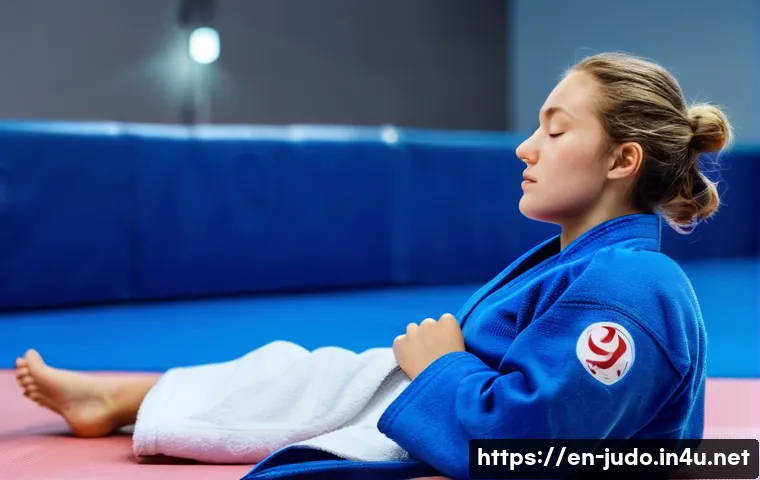
After intense training, many rush to move on, but slowing your breath during cooldown is essential for recovery. I’ve learned that spending even five minutes lying down and practicing slow, deep breaths helps lower heart rate and flush lactic acid buildup.
This accelerates muscle recovery and reduces soreness. Incorporating breath control in your post-session routine not only improves physical recovery but also helps your mind transition out of high-intensity mode, promoting better sleep and overall well-being.
Common Mistakes and How to Avoid Them
Shallow Chest Breathing
One of the biggest pitfalls I see is shallow chest breathing, especially during high-pressure moments. This limits oxygen intake and makes you feel winded faster.
To counter this, practice belly breathing regularly, even off the mat. Try placing a hand on your stomach and focus on expanding it with each inhale rather than your chest.
This simple awareness can shift your breathing pattern and improve oxygen efficiency dramatically.
Breath-Holding During Technique Execution
It’s natural to hold your breath when concentrating on a tough move, but this actually increases tension and wastes energy. I caught myself doing this early on and noticed my muscles getting tight and movements becoming rigid.
The solution is to consciously exhale during the effort phase of a technique, like when you’re lifting or twisting. This not only relaxes your body but also enhances power output.
Ignoring Breath Recovery Between Bouts
Many athletes jump straight from one intense round to another without taking a moment to reset their breath. I found that this habit leads to cumulative fatigue and decreased performance.
Taking even a few deep, slow breaths between rounds can replenish oxygen stores and calm your nervous system, giving you a mental and physical edge when the next bout begins.
Tracking Your Progress with Breath Control
Using Heart Rate as a Feedback Tool
One practical way to monitor your breath control progress is by checking your heart rate before, during, and after training. When you master breathing techniques, you’ll notice a quicker return to your resting heart rate post-exercise.
I used a simple fitness watch to track this, and over weeks, I saw a clear improvement that correlated with better endurance and less fatigue.
Journaling Breath and Performance Observations
Recording how you feel during and after sessions can provide valuable insights. I kept a training journal where I noted when my breath control helped me stay calm or when I felt winded and why.
This reflection helped me identify patterns and adjust my breathing practices accordingly, making my training more intentional and effective.
Incorporating Technology to Enhance Breathing Practice
Apps and wearable devices that guide breathing exercises can be extremely helpful. I tried a few that offer timed inhale-exhale patterns and biofeedback to improve my control.
Using these tools outside of judo sessions reinforced my skills and made breath control a natural part of my daily routine.
| Breathing Technique | Purpose | Recommended Practice | Benefits |
|---|---|---|---|
| Diaphragmatic Breathing | Increase lung capacity and oxygen intake | Inhale deeply through nose (4 sec), exhale slowly through mouth (6 sec) | Improved endurance, faster recovery |
| Controlled Exhalation | Maintain rhythm during exertion | Exhale steadily while executing throws or holds | Enhanced precision, reduced muscle tension |
| Breath Awareness | Calm the mind under pressure | Focus on slow, steady breathing during matches | Better mental clarity, reduced anxiety |
| Recovery Breathing | Accelerate post-training recovery | Slow deep breaths during cooldown (5-10 min) | Lower heart rate, less soreness |
Integrating Breath Control into Your Judo Lifestyle
Consistency Over Intensity
Mastering breath control isn’t about doing a few intense exercises once in a while. From my experience, the real gains come with daily practice and mindfulness.
Even spending five minutes each day on focused breathing can transform how your body responds during training. It’s like building a muscle that supports every aspect of your judo practice.
Adapting Breath Techniques to Your Personal Style
Every judoka is different—what works for one may feel awkward for another. I encourage experimenting with various breathing patterns and timings until you find what fits your rhythm and body best.
Some prefer longer inhales, others find shorter, sharper breaths more natural during fast exchanges. The key is listening to your body and making breath control an intuitive part of your movement.
Bringing Breath Control Off the Mat
Finally, breath control is a skill that extends beyond judo. I’ve noticed that the calmness and focus I developed through breathing techniques help me in everyday stressful situations, whether it’s public speaking or handling unexpected challenges.
This crossover benefit makes investing time in breath mastery not only a judo advantage but a life skill that enhances overall well-being.
Conclusion
Controlled breathing is a game-changer in judo, enhancing both physical endurance and mental clarity. From my personal experience, integrating breath control into your daily routine can sharpen your technique and keep you calm under pressure. It’s a simple yet powerful tool that every judoka can benefit from. Remember, mastering your breath is mastering your performance.
Useful Information to Keep in Mind
1. Consistent daily practice of breathing techniques yields better long-term results than sporadic intense sessions.
2. Diaphragmatic breathing helps increase oxygen intake and delays fatigue during high-intensity training.
3. Coordinating breath with movement improves technical precision and reduces the risk of injury.
4. Using breath control during stressful moments enhances mental focus and strategic thinking.
5. Incorporating recovery breathing after training accelerates muscle recovery and improves overall well-being.
Key Takeaways
Effective breath control is essential for improving endurance, precision, and mental resilience in judo. Avoid shallow chest breathing and breath-holding during techniques, as these limit performance and increase tension. Regularly resetting your breath between rounds can prevent premature fatigue. Finally, personalize your breathing practice to fit your unique rhythm and extend these benefits beyond the mat for everyday stress management and improved focus.
Frequently Asked Questions (FAQ) 📖
Q: How does breath control specifically improve my endurance during judo matches?
A: Breath control directly impacts your endurance by helping you manage oxygen flow more efficiently. When you learn to breathe deeply and rhythmically, your muscles get a steady supply of oxygen, which delays fatigue.
Personally, I noticed that during intense sparring sessions, focusing on controlled breathing allowed me to maintain energy levels longer, preventing that dreaded “burnout” feeling halfway through.
It also helps clear out carbon dioxide faster, so you recover quicker between bouts and stay sharp throughout the entire match.
Q: Can breath control help me stay calm and focused under the pressure of competition?
A: Absolutely. One of the biggest benefits of mastering breath control is its calming effect on your nervous system. When you’re tense or stressed, your breathing tends to become shallow and rapid, which only increases anxiety.
By practicing slow, deliberate breaths, you activate your parasympathetic nervous system—the “rest and digest” mode—which helps lower your heart rate and ease mental tension.
From my own experience, taking a moment to reset my breath before stepping onto the mat made a huge difference in staying composed and thinking clearly during high-pressure moments.
Q: What are some practical breathing techniques I can start using right away in my judo training?
A: One simple yet powerful technique is diaphragmatic breathing, where you focus on breathing deeply into your belly rather than shallow chest breaths. Try inhaling slowly through your nose for a count of four, hold for two counts, then exhale gently through your mouth for six counts.
Incorporate this pattern during warm-ups, breaks, or even while executing techniques to maintain control and power. Another tip is to synchronize your breathing with your movements—for example, exhale sharply when applying force in a throw.
I found that these small adjustments made my training feel smoother and less exhausting almost immediately.