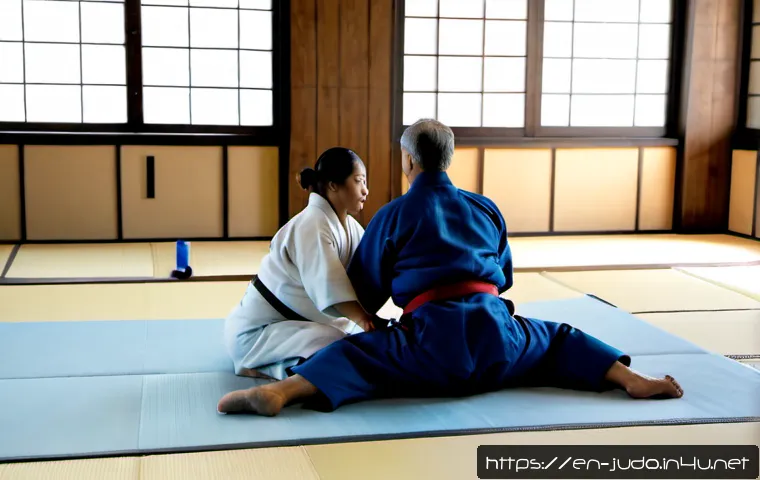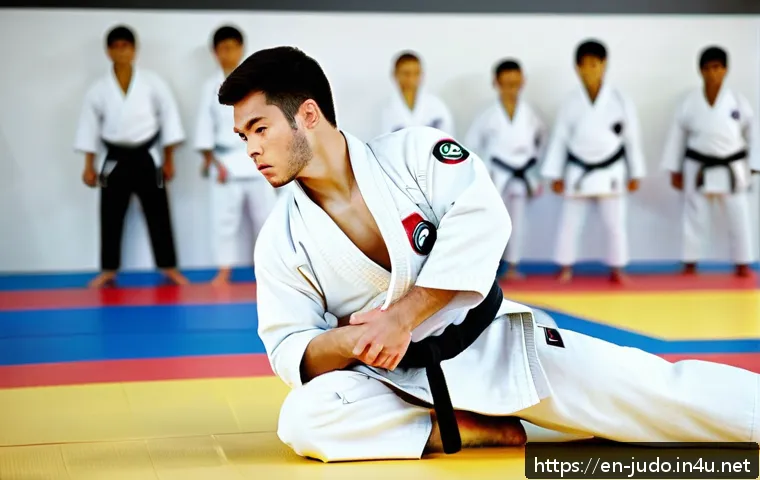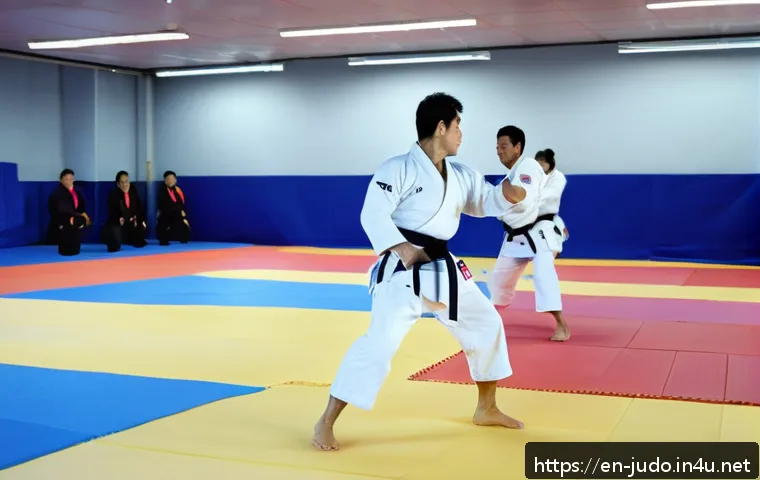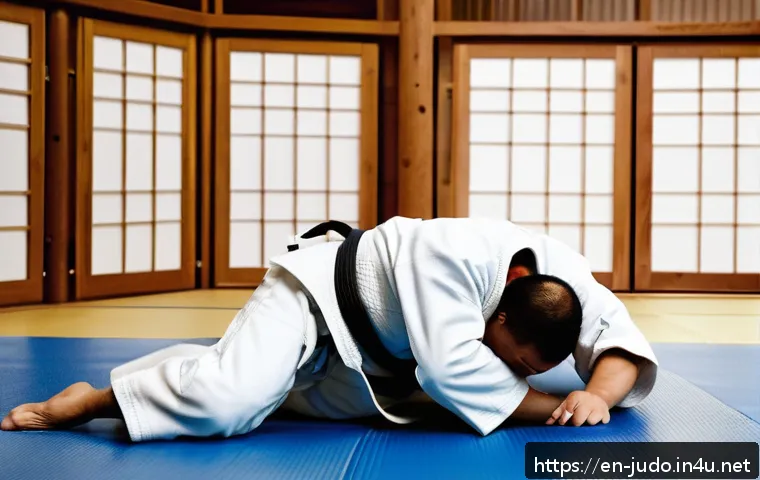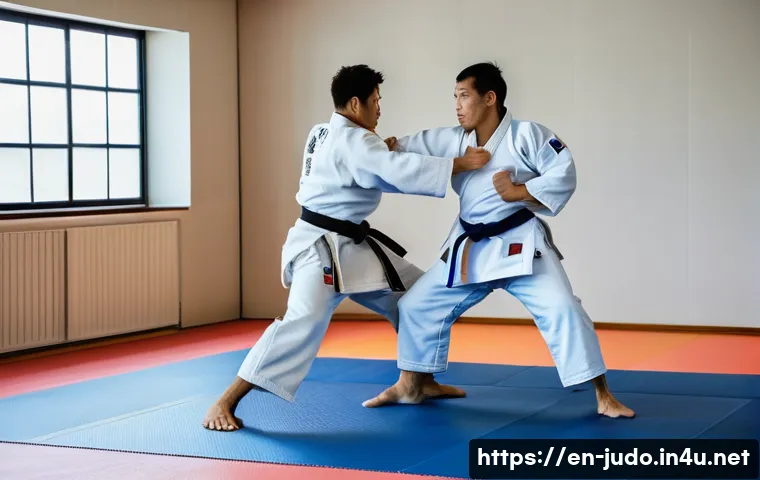
Mastering judo techniques can seem daunting at first, but with the right guidance, anyone can improve their skills step by step. Watching detailed video tutorials allows you to observe the subtle movements and grips that make all the difference on the mat.
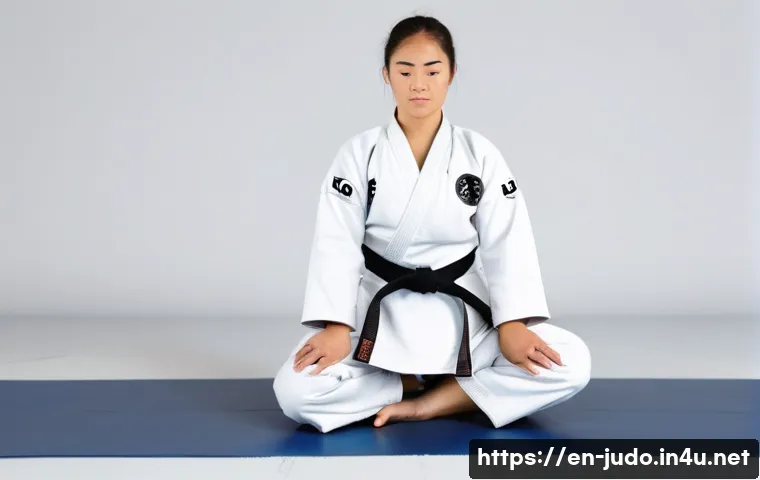
Whether you’re a beginner eager to learn the basics or an experienced practitioner refining your throws, these visual lessons offer valuable insights.
From balance and timing to effective leverage, understanding the fundamentals is key to progressing safely and confidently. Ready to take your judo game to the next level?
Let’s dive in and explore the techniques more thoroughly!
Building a Strong Foundation: Grip and Stance Essentials
Understanding the Importance of Your Grip
Mastering judo starts with a solid grip, and it’s surprising how much control you can gain just by adjusting your hand placement. When I first began, I underestimated the power of a good grip.
It’s not just about holding your opponent but about setting up for throws and maintaining balance. Watching videos where instructors slow down the grip transitions helped me see how subtle shifts can disrupt your opponent’s posture.
The sleeve grip combined with a strong collar grip often forms the backbone for many effective techniques. Remember, a weak grip can make even the best throws fall flat, so focus here early on.
Perfecting Your Stance for Stability and Mobility
Your stance in judo isn’t static; it’s a dynamic balance between being grounded and ready to move. I used to think standing straight was the way to go, but the best judo tutorials show a slightly bent knee stance with weight distributed evenly.
This posture allows quick reactions and better leverage. The videos that break down foot positioning and weight shifts reveal how a stable stance prevents you from being easily thrown.
Practicing this stance repeatedly, even without a partner, can dramatically improve your confidence on the mat.
Combining Grip and Stance for Maximum Effectiveness
Once you have a firm grip and a reliable stance, the real magic happens when these two work in harmony. I noticed in detailed tutorials that the timing of your grip adjustments while maintaining your stance is crucial.
It’s like a dance where one misstep can cost you balance. These synchronized movements create openings for throws and counters. A helpful tip I picked up was to watch slow-motion clips focusing on this connection; it gave me a clearer mental map of how to move fluidly rather than stiffly.
Mastering Basic Throws: Breaking Down Core Movements
The Mechanics Behind the O Goshi Throw
O Goshi, or the major hip throw, is often one of the first throws taught, but its simplicity is deceptive. Videos that zoom in on hip placement and turning motion helped me realize the importance of getting your hips lower than your opponent’s center of gravity.
When I practiced, I focused on the smooth entry step and the pull with my arms to unbalance my partner. The best tutorials emphasize the timing between the hip turn and the grip pull, which can make or break the throw’s success.
Exploring the Footwork in De Ashi Barai
The De Ashi Barai, or advanced foot sweep, is elegant and highly effective when timed right. Watching slow-motion replays of this move helped me understand how crucial it is to target the opponent’s foot just as they shift their weight forward.
I initially struggled with timing, but breaking down the sweep into approach, contact, and follow-through phases made the learning curve manageable. Videos where instructors demonstrate common mistakes were especially insightful, showing how a premature sweep leads to failure.
Practicing the Seoi Nage with Precision
Seoi Nage, the shoulder throw, is a crowd favorite but requires precision and speed. Detailed video tutorials with multiple angles helped me see how to fit my body under the opponent’s center of gravity while maintaining a strong grip.
What struck me was the importance of pulling the opponent forward and dropping your hips quickly. I found that rehearsing the entry motion repeatedly without resistance built muscle memory, making the actual throw smoother.
The follow-up after the throw, such as maintaining control on the ground, was another layer often highlighted in quality lessons.
Enhancing Balance and Timing for Effective Throws
Understanding Kuzushi: The Art of Off-Balancing
Kuzushi, or off-balancing your opponent, is the key to landing any throw effectively. I noticed in the best tutorials that they don’t just show the throw but focus extensively on how to break your opponent’s balance first.
Videos demonstrating how subtle pulls and shifts in direction can destabilize your partner were game-changers. Practicing kuzushi drills alone helped me feel when my opponent was vulnerable, making the next move almost automatic.
Timing Your Throws for Maximum Impact
Throwing at the wrong moment is a common pitfall, and I learned this the hard way. The video breakdowns of successful matches often zoom in on split-second timing—throwing just as your opponent steps or shifts weight.
Timing drills from tutorials that use metronomes or rhythm-based practice sessions helped me internalize when to strike. The difference between a failed and a successful throw often came down to these tiny windows of opportunity.
Maintaining Your Own Balance Under Pressure
While focusing on off-balancing your opponent, it’s easy to forget your own stability. I’ve seen many beginners, including myself, get thrown because they overextended or leaned too far.
Videos that stress keeping your center of gravity low and your feet grounded were incredibly useful. Some instructors even recommend balance board exercises off the mat to build this skill.
Maintaining your balance not only protects you but sets you up to capitalize on your opponent’s mistakes.
Leveraging Body Mechanics for Efficient Movement
Using Hips and Core Strength in Throws
One of the most repeated insights in advanced judo tutorials is the power generated from hips and core rather than arms alone. When I started paying attention to this, my throws became less tiring and more effective.
Videos demonstrating hip rotation and core engagement helped me visualize the kinetic chain involved. It’s fascinating how a small shift in hip position can amplify force, making a throw feel effortless.
Optimizing Foot Placement and Movement Patterns
Footwork is often overlooked, but the best judo athletes move their feet like a chess master thinks several moves ahead. I noticed that tutorials focusing on foot placement during entries and escapes improved my agility tremendously.
Practicing foot drills along with shadow judo helped me anticipate my opponent’s movements better. The emphasis on light, quick steps instead of heavy stomping was a game-changer in conserving energy and maintaining fluidity.
Minimizing Energy Waste Through Smooth Transitions
I used to waste a lot of energy by making jerky or exaggerated movements. Watching high-level judo videos revealed how smooth transitions between grips, stances, and throws are vital.
The instructors often stress flowing seamlessly from one technique to the next, which not only conserves energy but also keeps your opponent guessing.
Incorporating this into practice sessions has made my judo sessions less exhausting and more strategic.
Defensive Techniques and Counterattacks to Stay in Control
Recognizing and Reacting to Opponent’s Throws
Defense in judo is just as important as offense, and many tutorials focus on reading your opponent’s cues. I learned to spot subtle shifts in posture or grip that signal an incoming throw by watching slow-motion clips repeatedly.
Early recognition gave me the crucial seconds to prepare or counterattack. The videos often suggest drills where you practice anticipating attacks with a partner, which I found extremely helpful.
Executing Effective Counters and Reversals
Counterattacks can turn the tide of a match, and mastering them requires precision and confidence. I appreciated tutorials that break down counters into simple steps, such as redirecting your opponent’s momentum or exploiting their balance loss.
Practicing counters like Tani Otoshi or Ura Nage, as shown in detailed videos, gave me a sense of empowerment on the mat. The key takeaway was to stay calm and use your opponent’s force against them rather than resisting blindly.
Maintaining Composure and Strategic Patience
Sometimes the best defense is patience. I’ve realized through experience and watching seasoned judokas that staying calm under pressure often leads to better decision-making.
Videos highlighting mental aspects of judo emphasize breathing techniques and focus drills to maintain composure. This mental edge can help you wait for the perfect moment to strike or escape, turning defense into a strategic advantage.
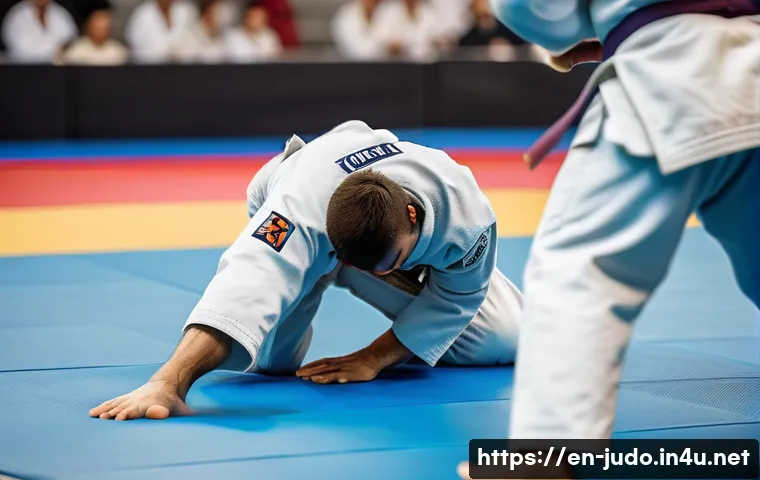
Training Tips to Maximize Progress from Video Tutorials
Setting Realistic Goals and Tracking Progress
When I started learning judo through videos, setting small, achievable goals kept me motivated. Whether it was nailing a particular grip or executing a throw smoothly, tracking these milestones helped me see tangible improvement.
Many tutorial series suggest keeping a training journal or recording your practice sessions for self-review. This approach not only reinforces learning but also highlights areas needing extra focus.
Incorporating Drills and Solo Practice
Not every judo move requires a partner, and I found solo drills invaluable. Videos often demonstrate shadow judo, footwork drills, and balance exercises that you can do anywhere.
Integrating these into daily routines built my muscle memory and improved coordination. Repetition without a partner also allowed me to refine my movements before applying them in sparring sessions, making practice safer and more productive.
Combining Video Learning with In-Person Coaching
While video tutorials offer incredible visual detail, I discovered that supplementing them with in-person coaching accelerated my growth. Coaches can provide immediate feedback and correct subtle mistakes that videos might not catch.
Some tutorials even recommend filming your sessions and sharing them with a coach for critique. This hybrid approach ensures that what you learn visually translates effectively into real-life application.
| Technique | Key Focus | Common Mistakes | Training Tip |
|---|---|---|---|
| O Goshi (Hip Throw) | Hip placement, timing of pull | Too high hips, poor grip timing | Practice hip turns slowly, focus on entry step |
| De Ashi Barai (Foot Sweep) | Timing with opponent’s step | Sweeping too early or late | Use slow-motion video to time sweep |
| Seoi Nage (Shoulder Throw) | Body positioning under opponent | Poor hip drop, weak pull | Rehearse entry motion repetitively |
| Kuzushi (Off-Balancing) | Pull direction, weight shift | Not breaking balance before throw | Drill kuzushi separately |
| Counterattacks | Momentum redirection | Resisting force blindly | Practice with a partner, focus on calm execution |
Utilizing Video Analysis to Refine Your Techniques
Breaking Down Complex Movements Frame-by-Frame
One of the biggest benefits of video tutorials is the ability to slow down and dissect every movement. I found that watching throws frame-by-frame revealed nuances I never noticed in real time, like slight wrist rotations or foot angles.
This granular view helped me replicate techniques more accurately and avoid bad habits. Using video editing tools to loop tricky segments became a regular part of my training routine.
Comparing Your Form to Experts’ Demonstrations
Recording your own practice and comparing it side-by-side with expert videos is an eye-opener. I was often surprised how much my stance or grip differed from the ideal.
This comparison highlighted specific adjustments I needed to make. Many judo enthusiasts recommend creating split-screen videos for this purpose, allowing you to mirror experts’ movements and accelerate improvement.
Integrating Feedback from Online Communities
Sharing your progress videos in judo forums or social media groups can provide valuable insights. I received tips from experienced practitioners that pointed out subtle errors and suggested drills I hadn’t considered.
This interactive learning makes video tutorials even more effective, turning a solo activity into a collaborative journey. Just be open to constructive criticism and use it to refine your skills.
Advanced Techniques and Tactical Strategies for Competitive Edge
Combining Throws into Fluid Sequences
Watching high-level judo matches reveals how champions string together multiple techniques seamlessly. I learned from videos that practicing combination attacks like moving from O Goshi into a foot sweep keeps opponents off balance.
These sequences require not just technique but also strategic thinking and adaptability. Drilling combos slowly at first builds the muscle memory needed for quick execution under pressure.
Exploiting Opponent’s Weaknesses Through Observation
Tactical awareness comes with experience and keen observation. Video tutorials that analyze opponent tendencies taught me to look for patterns, such as favoring one side or dropping their guard after a throw attempt.
Exploiting these weaknesses with targeted counters or setups can give you a decisive advantage. This strategic layer turns judo from pure physicality into a mental chess match.
Incorporating Conditioning and Flexibility for Enhanced Performance
Technical skills alone won’t carry you far without physical conditioning. Many video series emphasize exercises that build explosive power, endurance, and flexibility specific to judo.
I started integrating plyometric drills and stretching routines shown in tutorials, which improved my overall agility and reduced injury risk. Conditioning becomes even more critical in longer matches or tournaments, where stamina and recovery matter.
Effective Use of Video Tutorials for Safe and Consistent Progress
Choosing Quality Tutorials from Trusted Sources
Not all judo videos are created equal, and I learned to be selective about my sources. The best tutorials come from experienced coaches or competitive athletes who explain techniques clearly and safely.
Avoid channels that rush through moves or skip safety tips. Investing time in well-structured series with detailed breakdowns pays off by preventing bad habits and injuries.
Practicing Patience and Avoiding Overtraining
It’s tempting to binge-watch tutorials and jump into complicated throws quickly, but I found pacing myself is crucial. Videos often recommend spacing out practice sessions and focusing on mastering one skill before moving on.
Overtraining leads to burnout or injury, so listening to your body and resting when needed helps maintain steady progress. Remember, judo is a marathon, not a sprint.
Integrating Video Learning into a Holistic Training Routine
Video tutorials are powerful tools but work best when combined with live practice, conditioning, and mental training. Creating a balanced schedule that includes watching, drilling, sparring, and recovery maximizes results.
I found that planning weekly goals around video lessons and in-person sessions kept my training structured and enjoyable. This holistic approach ensures continuous improvement and long-term success.
Conclusion
Building a solid foundation in judo through grip, stance, and body mechanics is essential for success. Combining technical skills with strategic timing and balance enhances your effectiveness on the mat. Video tutorials can be powerful tools when used thoughtfully alongside real practice. With patience and consistent effort, you’ll see steady progress and greater confidence in your judo journey.
Useful Information to Keep in Mind
1. Setting clear, achievable goals helps maintain motivation and tracks your improvement over time.
2. Solo drills like shadow judo and balance exercises are valuable for refining technique without a partner.
3. Recording your practice and comparing it to expert demonstrations highlights areas for adjustment.
4. Combining video learning with in-person coaching accelerates skill development and corrects subtle errors.
5. Prioritizing proper warm-up, conditioning, and rest prevents injury and supports long-term progress.
Key Takeaways for Effective Judo Training
Successful judo training balances technical mastery with physical conditioning and mental focus. Developing a strong grip and stance lays the groundwork for effective throws, while understanding timing and kuzushi (off-balancing) is critical for execution. Utilizing video tutorials wisely—breaking down movements, analyzing form, and integrating feedback—enhances learning but should be complemented with real-world practice and coaching. Above all, patience and strategic progression ensure steady improvement and enjoyment in your judo practice.
Frequently Asked Questions (FAQ) 📖
Q: How can beginners effectively learn judo techniques using video tutorials?
A: For beginners, video tutorials are a fantastic resource because they let you see each move in real time, highlighting the grips, foot placement, and body positioning that are crucial in judo.
I found that pausing and replaying sections helps to catch subtle details that might be missed otherwise. Starting with basic techniques like breakfalls and simple throws builds a strong foundation, and watching the same tutorial multiple times reinforces muscle memory.
Pairing videos with actual practice on the mat accelerates learning and helps develop confidence.
Q: What are the key fundamentals to focus on when improving judo skills?
A: From my experience, balance, timing, and leverage are absolutely the cornerstones of judo. Mastering your own balance allows you to stay stable while attempting throws, and understanding timing means you can exploit your opponent’s movements effectively.
Leverage is all about using your body efficiently to maximize power without brute force. Concentrating on these basics before moving on to advanced throws ensures safer practice and better results.
I always recommend drills that enhance these fundamentals because they translate into every technique you’ll learn.
Q: How can experienced judo practitioners refine their techniques using video lessons?
A: Even seasoned judokas can benefit hugely from detailed video analysis. Watching tutorials or match footage allows you to spot small errors in grip or posture that might be overlooked during regular training.
I personally found that comparing my form to high-level practitioners’ techniques helped me tweak my approach and improve fluidity. Video lessons also introduce variations and counters that keep your skill set fresh.
Incorporating what you see into sparring sessions creates a feedback loop that steadily sharpens your performance.