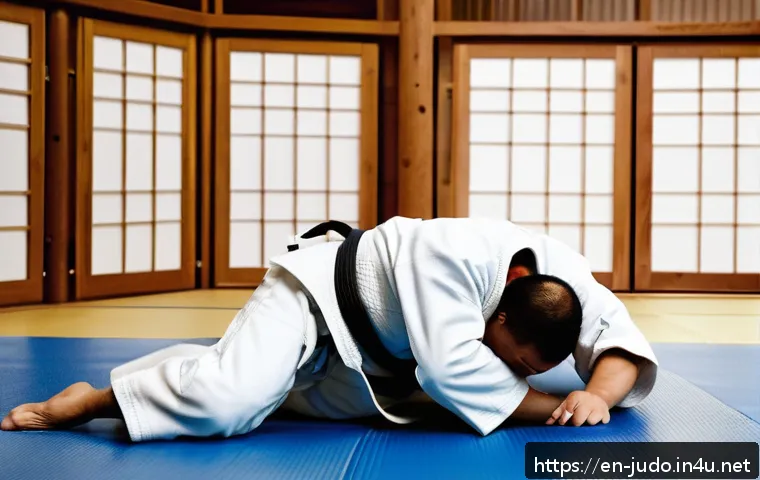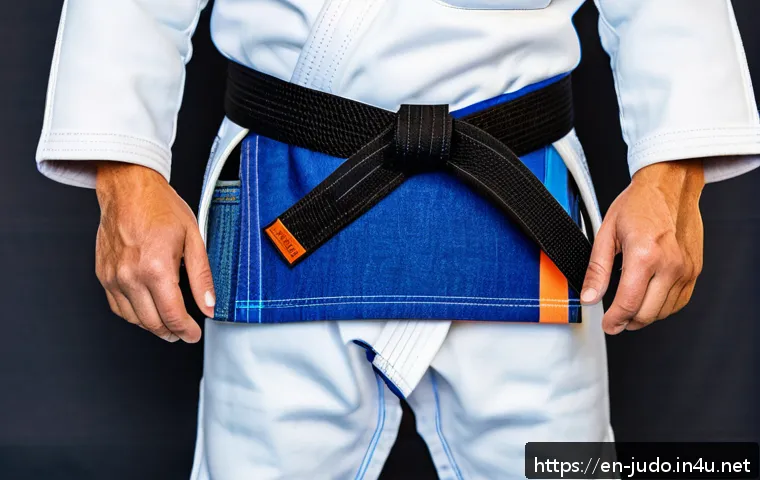
In today’s world where sustainability meets style, finding ways to refresh your martial arts gear has never been more exciting. If you’ve ever wondered how to breathe new life into your worn-out judo gi without breaking the bank, you’re in the right place.
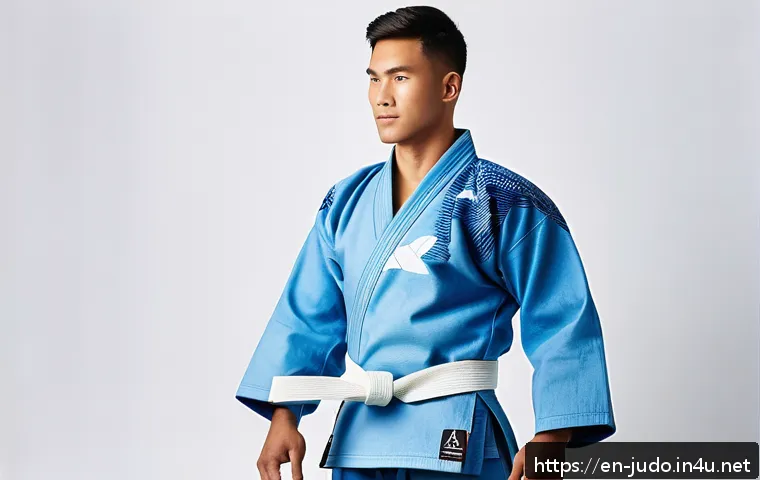
Creative upcycling not only extends the life of your gi but also adds a unique, personal touch to your training outfit. With eco-conscious trends gaining momentum, transforming your gear is both a smart and trendy move.
Stick around as we explore practical, fun ideas that can turn your old gi into a standout piece you’ll love wearing on the mat. Let’s dive into the world of upcycling and make your judo journey even more inspiring!
Creative Stitching and Patchwork Techniques to Revive Your Gi
Mixing Fabrics for a Fresh Look
One of the most satisfying ways to breathe new life into your worn judo gi is by incorporating different fabric textures and colors through patchwork.
I tried adding denim and cotton patches on the elbows and knees, which not only reinforced the high-wear areas but also gave my gi a cool, personalized style that stands out on the mat.
This method allows you to mix subtle tones or bold contrasts depending on your preference, making your gi uniquely yours while boosting durability. Plus, patching up holes or thinning spots with fabric scraps you already have is a great way to save money and reduce waste.
Decorative Stitching for Function and Flair
Adding decorative stitching is another fantastic way to customize your gi. Using embroidery threads in colors that complement or contrast your gi can turn plain seams into eye-catching details.
When I first tried this, I chose a navy gi and stitched bright orange thread along the sleeves and collar edges. Not only did it look fresh, but the reinforced seams felt sturdier during intense rolls.
You don’t need to be a professional; simple running stitches or zig-zags can add that handmade charm and extend the life of your gi significantly.
Creative Placement for Maximum Impact
Where you add patches or stitching really matters. Placing patches on the elbows, knees, or even the back panel ensures that the most vulnerable spots get extra protection.
I’ve found that adding a large patch on the back not only covers worn fabric but also allows for creative designs or logos that tell a story about your judo journey.
Experimenting with asymmetrical patch placement can give your gi a modern, edgy feel, making it look like a custom piece rather than a repaired one.
Transforming Your Gi with Dye and Fabric Paint
Refreshing Colors with Fabric Dye
If your gi is looking dull or stained beyond simple washing, fabric dye can work wonders. I once revived a faded white gi with a soft blue dye that gave it a subtle, fresh appearance without compromising the fabric’s strength.
When using dye, it’s important to choose one suitable for thick cotton fabrics and follow the instructions carefully to avoid uneven coloring. This approach is perfect if you want to experiment with new shades or cover discolorations in a stylish way.
Personalized Designs Using Fabric Paint
Fabric paint opens up endless possibilities for customization. I’ve enjoyed painting simple symbols and my dojo’s emblem on the gi’s back using stencils, which made the gi truly mine.
Fabric paint is durable enough to withstand frequent washing and mat friction when applied correctly. Try combining colors or adding your name and rank for a practical yet artistic touch.
It’s a fun weekend project that can instantly boost your gi’s personality.
Combining Dye and Paint for Unique Effects
For a truly one-of-a-kind look, combining dye and fabric paint can create layered effects. For example, dye your gi in a solid color and then add patterns or highlights with fabric paint.
I experimented with a subtle tie-dye base and painted geometric shapes on top, and the result was a gi that got compliments everywhere I trained. This combo approach takes a bit more time and planning but is definitely worth the creative payoff.
Upgrading Comfort and Fit Through Tailoring
Adjusting Sleeve and Pant Lengths
Sometimes the best way to refresh your gi is simply by tailoring it for a better fit. I shortened my gi sleeves and pants to avoid excess fabric that would get in the way during sparring.
It not only improved comfort but also gave the gi a cleaner, sharper silhouette. Tailoring can be done at home with basic sewing skills or by a local tailor, and it’s a cost-effective way to keep your gi functional and looking sharp.
Adding Elastic or Drawstrings for Flexibility
Adding elastic bands or drawstrings to the waist or cuffs can enhance your gi’s practicality. I added a hidden drawstring inside the pants’ waist, which helped keep them snug during intense movements without feeling restrictive.
This small modification made a big difference in comfort and performance. If you find your gi too loose or tight in certain areas, these tweaks are easy fixes that extend usability.
Reinforcing Stress Points with Extra Seams
Reinforcing stress points like the collar, crotch, and underarms with extra seams or double stitching can prevent future tears. I reinforced these areas on my older gi, and it held up much better during tough training sessions.
This method takes some sewing know-how but pays off by significantly extending the gi’s lifespan and saving you money in the long run.
Eco-Friendly Cleaning and Maintenance Tips
Using Gentle, Natural Detergents
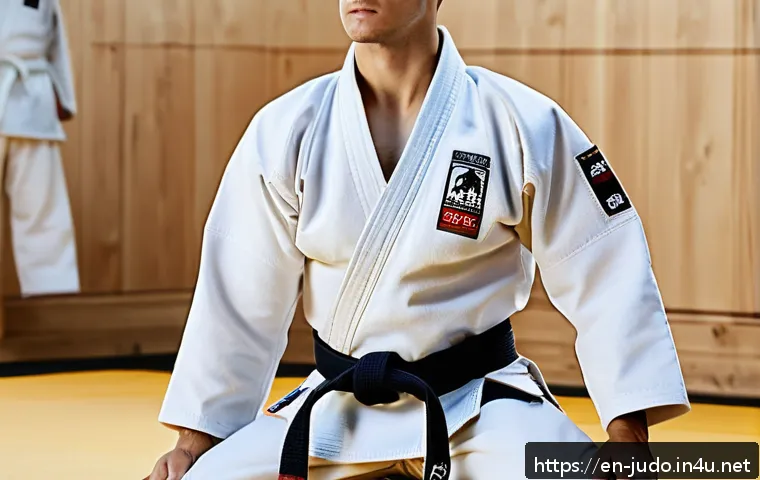
Cleaning your gi with natural, biodegradable detergents not only protects the environment but also helps preserve the fabric’s integrity. Harsh chemicals can weaken cotton fibers, making your gi wear out faster.
I switched to a gentle, plant-based detergent and noticed my gi stayed softer and stronger after multiple washes. Plus, it’s safer for your skin, especially after sweaty training sessions.
Air Drying Versus Machine Drying
Air drying your gi is by far the best way to maintain its shape and fabric strength. While machine drying is convenient, it often causes shrinkage and fabric stress.
I started hanging my gi in a well-ventilated area after every wash, and the difference in durability was clear. If you’re in a hurry, use the machine’s low-heat setting, but air drying remains the gold standard for longevity.
Regular Inspections to Catch Wear Early
Keeping an eye on your gi’s condition helps you address small issues before they become big problems. I make it a habit to inspect seams, patches, and fabric thickness once a month.
Catching a tiny tear early means you can patch it quickly, avoiding costly replacements. This proactive approach has saved me a lot of hassle and keeps my gi mat-ready longer.
Adding Functional and Stylish Accessories
Custom Belt Embellishments
Your belt is more than just a symbol of rank; it can be a canvas for personalization. I added embroidered patches with my dojo’s logo and my name, which made my belt feel like an extension of my identity.
These embellishments don’t interfere with performance but add sentimental and stylistic value.
Incorporating Gi Bags and Storage Solutions
Keeping your gi clean and wrinkle-free between sessions is key to maintaining its condition. Investing in a durable gi bag with compartments for your belt, rash guard, and other gear keeps everything organized.
I found that a breathable mesh bag helps air circulation, reducing odor and mildew buildup after sweaty practices.
Adding Velcro Patches for Easy Identification
For those who train in busy dojos or competitions, Velcro name patches are a practical addition. They make your gi instantly recognizable and can be swapped out if you change dojos or sponsors.
I added a Velcro strip on my gi’s chest for my name tag, and it’s made introductions and event check-ins smoother.
Upcycling Inspirations and Practical Ideas Summary
| Upcycling Method | Materials Needed | Benefits | Estimated Cost |
|---|---|---|---|
| Patchwork with Mixed Fabrics | Fabric scraps, needle, thread | Extends gi life, adds style | Low ($10-$20) |
| Fabric Dyeing | Fabric dye, gloves, bucket | Revives color, hides stains | Moderate ($15-$30) |
| Decorative Stitching | Embroidery thread, needle | Personalized look, reinforced seams | Low ($5-$15) |
| Tailoring Adjustments | Sewing machine or tailor | Improves fit and comfort | Low to moderate ($10-$50) |
| Fabric Paint Designs | Fabric paint, brushes, stencils | Custom artistic flair | Moderate ($15-$25) |
In Conclusion
Revitalizing your gi through creative stitching, dyeing, and tailoring not only extends its lifespan but also adds a unique personal touch that reflects your journey. Whether you prefer subtle enhancements or bold designs, these techniques transform your gi into a functional piece of art. Embracing these ideas can deepen your connection to the sport and make every training session more enjoyable.
Helpful Tips to Keep in Mind
1. Always test fabric dyes and paints on a small hidden area first to ensure colorfastness and avoid damage.
2. Use natural, gentle detergents to maintain the fabric’s strength and comfort over time.
3. Regularly inspect your gi for wear and tear to catch issues early and prevent costly repairs later.
4. Tailoring adjustments can greatly improve comfort and performance, so don’t hesitate to customize the fit.
5. Incorporating patches and decorative stitching not only reinforces your gi but also allows for creative self-expression.
Key Takeaways for Gi Maintenance and Customization
Maintaining and customizing your gi is a rewarding process that balances functionality with personal style. Prioritize reinforcing high-stress areas and choose eco-friendly cleaning methods to preserve fabric integrity. Thoughtful tailoring and artistic additions can enhance both comfort and appearance. By staying proactive with repairs and care, you’ll enjoy a durable, distinctive gi that truly represents your commitment to judo.
Frequently Asked Questions (FAQ) 📖
Q: uestionsQ1: How can I safely upcycle my worn-out judo gi without compromising its durability?
A: When upcycling your judo gi, focus on reinforcing weak spots like seams and collars with durable stitching. Using patches made from similar fabric or even denim can strengthen worn areas while adding a stylish flair.
Avoid harsh chemicals or treatments that may degrade the fabric’s integrity. Personally, I found that hand-sewing patches on the elbows not only extended my gi’s life but also gave it a unique character that teammates often complimented.
Q: What are some creative yet practical ways to customize my old judo gi?
A: Adding embroidery, fabric paint, or appliqué designs are popular ways to personalize your gi. You can incorporate meaningful symbols, your dojo logo, or motivational quotes to make your gear truly yours.
Another fun idea is to swap out the belt for a recycled or eco-friendly version to complete the look. I once painted subtle wave patterns along the sleeves, which sparked great conversations and made me feel more connected to my training journey.
Q: Is upcycling a judo gi a cost-effective option compared to buying a new one?
A: Absolutely! Upcycling is often much more budget-friendly than purchasing a new gi, especially if you already have the tools and materials at home. Besides saving money, it reduces waste and supports sustainable practices—a win-win in today’s eco-conscious world.
From my experience, investing a little time and creativity into upcycling turned out to be a rewarding project that kept me motivated and proud of my gear without breaking the bank.