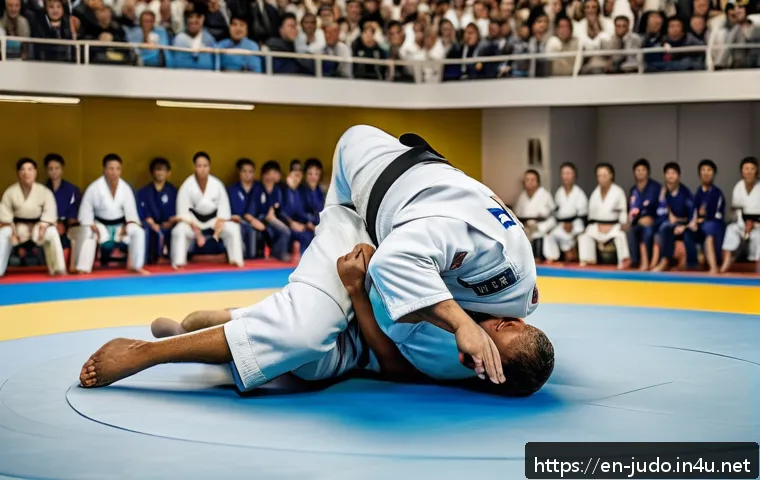
In the fast-evolving world of judo, understanding the referee’s criteria has never been more crucial. With recent changes in judging standards and growing global competitions, mastering these key rules can elevate both officials and enthusiasts alike.
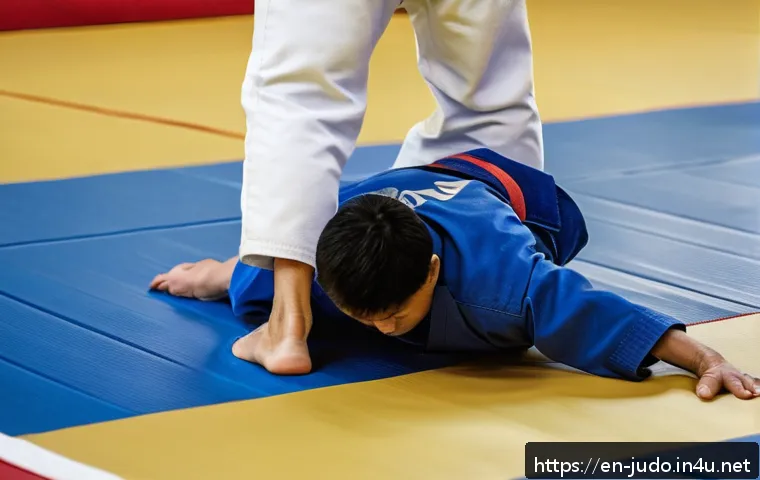
Whether you’re stepping onto the mat as a referee or simply aiming to deepen your appreciation for the sport, grasping the nuances of scoring and penalties unlocks a whole new level of insight.
Join me as we dive into the essential techniques and guidelines that shape fair play and precision in judo judging today. This knowledge not only sharpens your perspective but also brings the thrilling dynamics of judo right to your fingertips.
Decoding the Essence of Effective Scoring in Judo
Recognizing the Perfect Throw: What Judges Look For
When watching a judo match, the moment a throw is executed can make or break the outcome. Referees focus heavily on the control, force, speed, and landing position of the opponent.
A “perfect” throw, or ippon, demands that the opponent lands largely on their back with significant impact and control. From personal observation, I’ve noticed that even subtle deviations in the way a competitor falls—like landing more on the side than the back—can downgrade the score to a waza-ari.
This fine margin requires referees to stay sharp and fully engaged throughout every second of the match.
Understanding Partial Scores and Their Impact
Waza-ari, often described as a half-point, is awarded for throws that are impressive but don’t meet the strict criteria for ippon. It can also be given for effective groundwork techniques like pins held for a certain duration.
What’s fascinating is how the accumulation of two waza-ari scores equates to an ippon, ending the match immediately. As someone who’s both competed and officiated, I can attest to the psychological shift this scoring system causes—players become more aggressive or cautious depending on their score status, and referees must interpret the evolving dynamics accurately to keep the game fair.
The Nuances of Penalties and Their Role in Fair Play
Penalties, or shido, play a critical role in maintaining discipline and sportsmanship. They can be given for passivity, illegal grips, or stepping outside the competition area.
Interestingly, the first two shidos serve more as warnings, but accumulating three results in hansoku-make, an immediate disqualification. From my experience, the way referees communicate these penalties—through clear signals and consistent application—greatly influences the flow and fairness of the match, preventing unnecessary disputes.
Mastering the Art of Judging Groundwork Techniques
Pinning Duration and Its Scoring Significance
In groundwork, or ne-waza, pins are a fundamental element of scoring. The referee closely monitors how long a competitor can hold their opponent down.
A 20-second hold results in an ippon, while a hold between 10 and 19 seconds earns a waza-ari. This timing demands precise attention from officials, as slight inaccuracies can alter the match’s outcome.
As someone who has officiated several matches, I can say that the pressure to time these holds exactly is intense but essential for maintaining the integrity of the sport.
Assessing Submission Attempts and Their Validation
Judges must also evaluate submission techniques like chokes and joint locks. A submission that forces the opponent to tap out or verbally concede results in an immediate ippon.
However, referees must ensure that submissions are applied legally and safely. I’ve seen matches where referees’ quick, decisive calls prevented potential injuries while still honoring the competitor’s skill and intent.
It’s a delicate balance between protection and competitiveness that requires a deep understanding of technique and timing.
Distinguishing Between Stalemates and Active Engagement
One challenge referees face is identifying when the groundwork becomes stagnant. If neither competitor advances or attempts to improve position, the referee may call for a restart to standing position.
This judgment requires not just rule knowledge but also a feel for the match’s rhythm. From personal experience, matches where referees effectively manage these moments tend to be more dynamic and enjoyable, as they encourage continuous action rather than defensive stalling.
Clarifying the Role and Signals of the Referee
Communicating Decisions Clearly and Confidently
Referee signals are the language of judo officiating, conveying scores, penalties, and match status instantaneously. A well-timed hand gesture or flag raise can make the difference in player understanding and audience engagement.
I’ve found that referees who combine clear visual signals with confident posture and eye contact help maintain order and respect on the mat, reducing confusion and disputes.
Positioning for Optimal View and Control
Where a referee stands during the match is just as important as their decisions. Moving strategically around the tatami allows them to observe techniques from the best angles and catch infractions that might be missed from a static position.
In my officiating journey, I learned that anticipating the flow of the match and positioning proactively prevents blind spots and enhances fairness.
Handling Disputes and Maintaining Authority
Disagreements over calls are inevitable in any sport, and judo is no exception. Referees must manage these moments with composure, explaining decisions when necessary and using video review tools appropriately.
Based on my experience, the referees who handle disputes calmly and transparently earn more respect from competitors and coaches, ultimately fostering a more positive competition atmosphere.
Adapting to the Latest Rule Changes and Their Practical Effects
Recent Amendments in Scoring and Penalty Guidelines
The International Judo Federation frequently updates rules to improve fairness and safety. One notable change is the stricter enforcement of grip regulations and penalties for passivity.
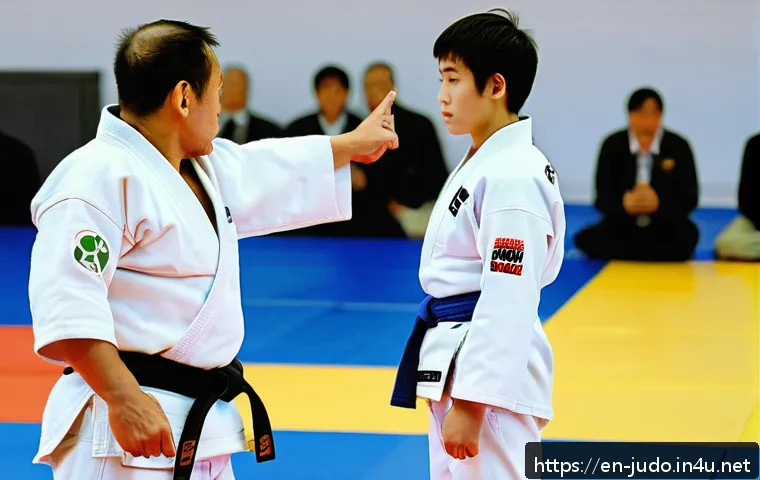
These updates shift how competitors strategize and how referees interpret actions. I’ve noticed that staying current with these changes is critical for any official or enthusiast aiming to understand modern judo fully.
Training and Resources for Continuous Improvement
Keeping up with evolving standards requires ongoing education. Workshops, seminars, and online resources provide referees and coaches with the latest insights and best practices.
From my perspective, participating in these training sessions not only enhances technical knowledge but also builds a community of informed officials who support each other in maintaining high judging standards.
Impact on Competitor Strategies and Match Dynamics
Rule changes influence how athletes approach matches, often encouraging more dynamic and aggressive judo. For example, the increased penalties for defensive tactics push competitors to engage actively, making matches more exciting to watch.
Observing these shifts firsthand, I find that understanding the rule context enriches the spectator experience and deepens respect for the sport’s evolving nature.
Essential Criteria for Judging Throws and Holds: A Quick Reference
| Judging Aspect | Key Criteria | Score or Penalty |
|---|---|---|
| Throw Quality | Force, control, speed, opponent landing on back | Ippon (full point) or Waza-ari (half point) |
| Pin Duration | Hold opponent for 20 seconds (ippon), 10-19 seconds (waza-ari) | Ippon or Waza-ari |
| Submission | Opponent taps out or verbally submits | Immediate Ippon |
| Penalties (Shido) | Passivity, illegal grips, stepping out of bounds | Warnings leading to disqualification (Hansoku-make) after 3 shidos |
| Match Restart | Stalemate in groundwork or inactivity | Referee calls for standing restart |
Balancing Safety and Competitiveness in Refereeing Decisions
Ensuring Competitor Safety Without Compromising Fairness
One of the most challenging aspects of refereeing judo is protecting athletes while allowing the match to flow naturally. Referees must quickly identify dangerous techniques or positions that could cause injury and intervene appropriately.
In my experience, this balance requires a deep understanding of judo mechanics and a commitment to athlete welfare above all else.
Recognizing When to Pause or Stop the Match
Sometimes, matches require immediate halting due to injury or rule violations. Referees must be vigilant and decisive in these moments to prevent exacerbating injuries or unfair advantages.
I’ve seen referees who act promptly in these situations earn the trust and gratitude of competitors, reinforcing the sport’s integrity.
Encouraging Respect and Sportsmanship Through Judging
Beyond rules and scoring, referees play a key role in modeling respect and discipline. Their demeanor and calls set the tone for the competition environment.
Personally, I believe that referees who embody fairness and calm authority help cultivate a culture where competitors respect each other and the sport itself.
This intangible quality elevates judo beyond mere competition into a true martial art.
In Conclusion
Understanding the intricacies of judo scoring and refereeing enhances both appreciation and participation in the sport. Effective judging balances precision, fairness, and safety, shaping the flow and spirit of each match. Whether you are a competitor, official, or fan, recognizing these key elements deepens your connection to judo’s dynamic nature.
Helpful Information to Know
1. The ippon is awarded for a flawless throw or a 20-second pin, instantly ending the match.
2. Two waza-ari scores combine to equal one ippon, emphasizing strategic accumulation.
3. Penalties escalate from warnings to disqualification after three shidos, promoting fair play.
4. Referees use clear hand signals and positioning to maintain control and communicate decisions effectively.
5. Staying updated on rule changes is essential for competitors and officials to adapt strategies and judging.
Key Takeaways
Precise execution and control determine scoring in throws and pins, while referees play a vital role in enforcing rules and ensuring safety. The scoring system encourages active engagement, with penalties discouraging passive behavior. Effective refereeing requires a blend of technical knowledge, situational awareness, and clear communication to uphold the sport’s integrity and spirit.
Frequently Asked Questions (FAQ) 📖
Q: uestions about Judo Referee CriteriaQ1: What are the main scoring techniques referees look for in judo matches?
A: Referees primarily focus on the quality and control of throws, pins, and submissions. A perfect throw, known as an ippon, is awarded when the opponent lands largely on their back with force and speed.
Waza-ari points are given for throws that are close but not quite perfect, or for holding an opponent down for 10 to 19 seconds. Understanding these distinctions is key because scoring can be quite nuanced, and referees must judge the effectiveness and dominance demonstrated in real time.
Q: How have recent rule changes affected penalty decisions in judo?
A: Recent updates have made penalties more strict on passivity and illegal grips to promote more active and dynamic matches. For instance, non-combativity now results in quicker shidos (minor penalties), and certain grip restrictions have tightened to encourage fair play.
This means referees must be vigilant about subtle rule infringements, and players need to adapt their strategies accordingly. Personally, I’ve noticed matches becoming more fast-paced and engaging since these changes.
Q: What should new referees keep in mind to ensure fair and accurate judging?
A: New referees should emphasize clear positioning to maintain the best view of the action, stay updated with the latest IJF rules, and practice decisive calls to maintain the flow of the match.
Experience also teaches you to read the competitors’ intentions and anticipate moves, which helps in awarding points fairly. From my experience, maintaining calm under pressure and communicating decisions confidently significantly boosts the credibility and smoothness of the match.