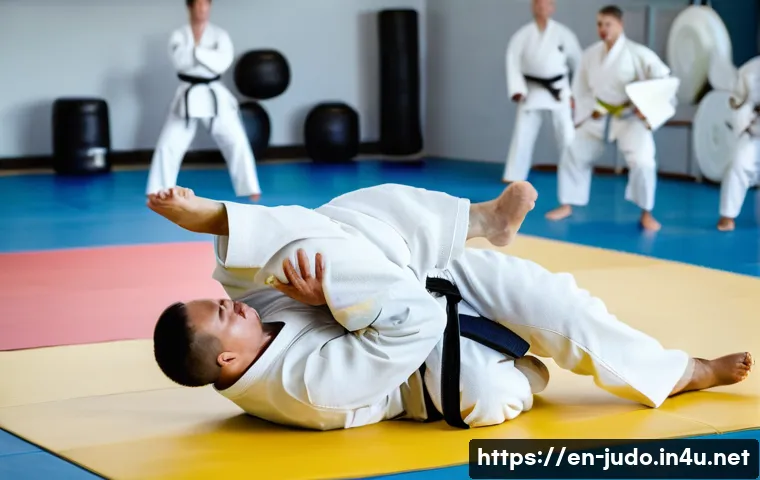
Building physical strength and mental toughness is a cornerstone of military training, and judo offers a unique approach to achieving both. Unlike traditional workouts, judo combines technique, balance, and explosive power, making it an excellent complement to the rigorous demands of army fitness routines.
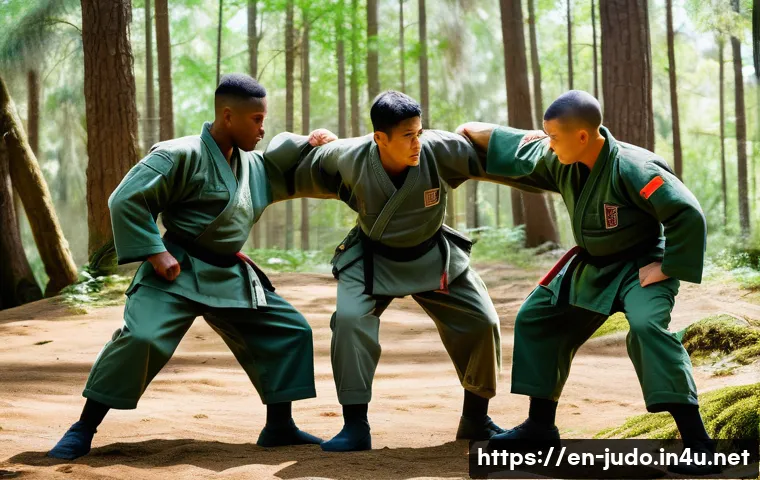
Many service members have found that incorporating judo not only improves their endurance but also sharpens their reflexes and strategic thinking under pressure.
If you’re curious about how this martial art can boost your military conditioning, stick around. Let’s dive into the details and uncover how judo can transform your physical training!
Enhancing Explosive Power and Agility Through Dynamic Movements
Understanding Judo’s Unique Physical Demands
Judo isn’t just about brute strength; it’s a refined blend of timing, leverage, and fluid motion. What I’ve noticed from firsthand experience is how the throws and rapid transitions train your muscles to respond with explosive bursts rather than slow, steady force.
Unlike traditional weightlifting or running drills, judo forces you to engage your fast-twitch muscle fibers continuously, which translates to quicker, more powerful movements on the battlefield.
It’s this kind of power that helps soldiers react swiftly to unexpected situations, whether it’s evading an attack or quickly closing distance.
Training Balance and Coordination Under Pressure
Balance is often overlooked in military training, but judo drills it relentlessly. When you’re thrown off your center or trying to maintain control over an opponent, your body is constantly adjusting.
Practicing this repeatedly has helped me maintain poise in physically unstable environments, such as uneven terrain or during sudden combat maneuvers.
The ability to stay grounded and recover quickly after being pushed or pulled is invaluable, and judo’s emphasis on maintaining equilibrium provides a real-world advantage that traditional calisthenics simply can’t match.
Building Endurance While Sharpening Reflexes
One of the things that surprised me about judo was how it simultaneously challenges your cardiovascular system and your mental focus. The short, intense bouts of grappling elevate your heart rate and build stamina, while the need to anticipate your opponent’s next move hones your reflexes.
Over time, this combination boosts your ability to sustain high levels of performance during extended missions or physically demanding tasks, keeping you alert and ready to respond even when fatigue sets in.
Developing Mental Resilience and Strategic Thinking
Learning to Stay Calm Under Stress
Judo training places you in high-pressure situations where quick decisions can mean the difference between success and failure. From my own experience, this has been one of the biggest mental benefits—learning to control your breathing and focus despite physical exhaustion or unexpected resistance.
The discipline required to remain calm during a fast-paced match directly translates to better stress management in combat zones or intense training exercises, where maintaining composure can protect both yourself and your team.
Adapting Tactics on the Fly
Every judo match is different, forcing you to read your opponent’s movements and adjust your tactics in real-time. This adaptability is a crucial skill in the military, where no two missions are identical.
I’ve found that the strategic mindset developed through judo—assessing risks, exploiting openings, and making split-second decisions—enhances situational awareness and sharpens problem-solving skills under pressure.
Building Confidence Through Mastery
There’s a unique confidence that comes from mastering a complex skill like judo. It’s not just about physical ability, but understanding the principles behind each technique and trusting yourself to execute them under stress.
This sense of mastery has a powerful psychological effect, bolstering self-assurance and mental toughness—two qualities that every service member needs to perform at their best.
Strengthening Core Stability and Functional Muscle Groups
Why Core Strength Matters Beyond the Gym
One of the core revelations from integrating judo into my routine was how much it targeted my midsection. Unlike isolated core exercises, judo engages your abs, obliques, and lower back in dynamic ways that mimic real-world movements.
This functional strength has made a noticeable difference in my ability to carry heavy gear, maintain posture during long marches, and resist injury during sudden impacts.
Engaging Multiple Muscle Groups Simultaneously
Judo techniques require coordination between your upper body, lower body, and core, creating a holistic workout that promotes muscular balance. From gripping and throwing to ground control, your muscles work in synergy rather than isolation.
This translates well to military tasks, where strength and endurance across multiple muscle groups are needed simultaneously—for example, climbing, lifting, or dragging heavy objects while maintaining balance and control.
Improving Mobility and Joint Health
Flexibility and joint mobility are often sacrificed in traditional strength training, but judo’s emphasis on fluid movement keeps your joints healthy and resilient.
The variety of throws, falls, and ground techniques encourages a full range of motion, reducing stiffness and the risk of overuse injuries. This kind of mobility is essential for soldiers who need to move freely in unpredictable environments, from crawling through confined spaces to sprinting across rough terrain.
Refining Mental Focus and Discipline Through Rituals and Repetition
The Role of Consistent Practice in Building Discipline
What I found particularly compelling about judo is how the repeated practice of fundamental techniques cultivates a deep sense of discipline. The ritualistic bowing, adherence to etiquette, and methodical drilling of throws create a mental framework that trains you to be patient and deliberate.
This structure helps instill habits that carry over into military life, where discipline can make or break mission success.
Harnessing Mindfulness to Enhance Performance
Judo requires being fully present in each moment, anticipating your opponent’s moves while managing your own energy. This mindfulness aspect has personally helped me develop sharper concentration and situational awareness, critical skills for navigating the chaos of combat.
The ability to clear your mind and focus solely on the task at hand reduces errors and improves overall effectiveness.
Overcoming Mental Barriers and Building Confidence

The journey through judo is filled with challenges—learning to fall without fear, pushing through physical exhaustion, and facing opponents who test your limits.
Each small victory helps break down mental barriers, building resilience that extends beyond the dojo. This mental toughness has been invaluable during tough military training cycles where persistence and grit are key.
Integrating Judo Techniques Into Tactical Training
Practical Applications of Throws and Holds in Combat Scenarios
Judo’s core techniques aren’t just for sport; many have direct applications in close-quarters combat. For example, mastering throws enables a soldier to quickly neutralize an opponent using leverage rather than brute force, which can be crucial in confined spaces or when conserving energy.
I’ve personally used these techniques during hand-to-hand training sessions, and their efficiency is undeniable.
Enhancing Grappling Skills for Self-Defense
The ground fighting aspect of judo teaches control and submission tactics that are essential in self-defense. Learning how to maintain dominant positions and escape holds enhances a soldier’s ability to protect themselves and others in unpredictable confrontations.
This grappling knowledge fills gaps that traditional military combatives sometimes overlook.
Combining Judo With Other Martial Arts for Comprehensive Combat Readiness
While judo provides excellent throwing and grappling skills, combining it with striking arts like boxing or Muay Thai creates a well-rounded combat skill set.
Many military programs have started incorporating judo alongside other disciplines to cover all ranges of fighting. From my perspective, this cross-training builds confidence and versatility, preparing soldiers for any physical engagement.
Tracking Progress: Physical and Mental Benefits of Judo Training
| Benefit | Physical Impact | Mental Impact | Military Application |
|---|---|---|---|
| Explosive Power | Improves fast-twitch muscle activation, enhances agility | Boosts reaction speed under pressure | Quick responses during combat and maneuvers |
| Balance & Coordination | Enhances proprioception, reduces injury risk | Maintains composure in unstable environments | Effective movement on varied terrain |
| Endurance | Builds cardiovascular stamina through high-intensity bouts | Sharpens focus during fatigue | Sustains performance during long missions |
| Mental Resilience | N/A | Improves stress management and confidence | Maintains calm and strategic thinking under fire |
| Core Stability | Strengthens functional muscle groups | N/A | Supports load carriage and injury prevention |
Adapting Judo Principles for Daily Military Fitness Routines
Incorporating Judo Warm-Ups and Drills
Integrating judo-based warm-ups, like breakfalls and movement drills, adds variety and functional readiness to your fitness routine. These exercises prepare your body for the dynamic stresses of training or deployment, reducing injury risk.
I’ve found that including these elements before running or strength training boosts my mobility and mental alertness.
Using Judo Techniques to Supplement Strength Training
Beyond traditional lifting, incorporating judo throws and partner drills can build power and coordination in ways that machines or free weights can’t.
These movements require core engagement, timing, and balance, making your strength training more applicable to real-world scenarios.
Maintaining Motivation Through Skill Development
Adding the challenge of mastering judo techniques keeps workouts mentally engaging. Learning a new throw or improving grip strength provides tangible goals, which helps maintain motivation during long training cycles.
This sense of progress can be a game-changer when military fitness routines start feeling repetitive or monotonous.
Conclusion
Integrating judo into military fitness offers a unique blend of physical and mental benefits that go beyond traditional training. The dynamic movements enhance power, balance, and endurance, while the mental challenges build resilience and strategic thinking. Embracing these principles can elevate overall combat readiness and personal confidence. From my own experience, judo has been a game-changer in preparing for the unpredictable demands of military service.
Useful Information to Keep in Mind
1. Judo’s focus on explosive power activates fast-twitch muscles, essential for quick reactions in combat situations.
2. Consistent balance training through judo improves stability on varied terrain, reducing the risk of injury during missions.
3. The combination of cardiovascular endurance and mental sharpness developed by judo supports sustained performance under fatigue.
4. Mental resilience gained from judo’s high-pressure scenarios enhances stress management and confidence in critical moments.
5. Incorporating judo techniques into daily workouts keeps training engaging and functional, promoting continuous motivation and skill growth.
Key Takeaways
Judo is more than a martial art; it’s a comprehensive training method that builds both the body and mind for military challenges. Its emphasis on explosive movements, balance, and core strength directly supports physical performance in the field. Mentally, judo cultivates calmness, adaptability, and confidence under pressure—qualities vital for mission success. By integrating judo principles into daily routines, soldiers can enhance their fitness, tactical skills, and overall readiness in a practical, engaging way.
Frequently Asked Questions (FAQ) 📖
Q: How does practicing judo specifically improve physical strength for military personnel?
A: Judo is fantastic for building functional strength because it focuses on explosive movements, grip strength, and core stability rather than just isolated muscle workouts.
When I started training, I noticed my ability to handle heavy loads and maintain balance under pressure improved significantly. The throws and holds in judo mimic real-life combat scenarios, making your muscles work in coordinated, powerful ways that traditional gym exercises often miss.
This kind of strength directly translates to better performance in the field, where sudden bursts of power and endurance are essential.
Q: Can judo help with mental toughness and decision-making during high-stress situations?
A: Absolutely. Judo isn’t just about physical prowess—it’s a mental game as well. From my experience, the constant need to anticipate your opponent’s moves and react quickly sharpens your situational awareness and strategic thinking.
Military operations often demand split-second decisions under pressure, and judo trains your brain to stay calm, focused, and adaptive. The discipline required during sparring sessions builds resilience, helping you push through fatigue and stress, which is invaluable in any high-stakes environment.
Q: Is judo suitable for all fitness levels, especially for those new to martial arts or military training?
A: Yes, judo is surprisingly accessible for beginners and can be tailored to fit different fitness levels. When I first started, I wasn’t in peak shape, but the gradual progression in techniques and conditioning made it manageable.
Many dojos offer beginner classes focusing on fundamentals and safety, which is perfect for anyone coming from a military fitness background. Plus, the camaraderie and structured environment help keep motivation high.
Over time, you’ll see improvements not just in strength and endurance, but also in confidence and mental grit.