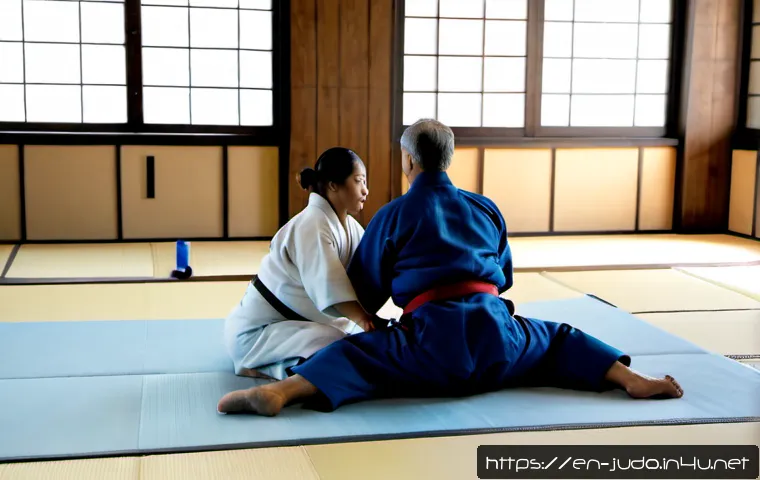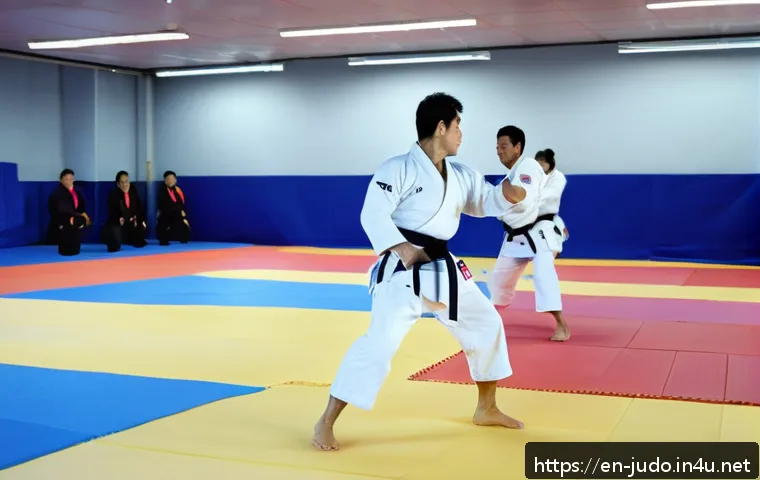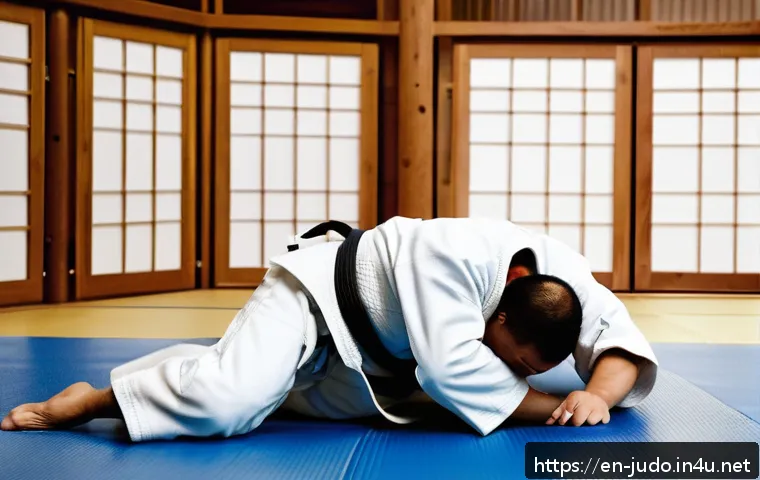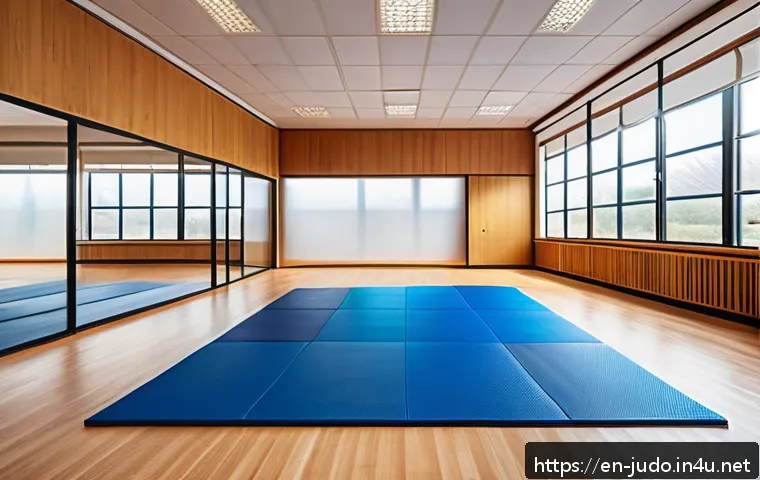
With the growing popularity of judo worldwide, ensuring the safety and performance of your training space has never been more crucial. Whether you’re a seasoned practitioner or just starting out, maintaining your judo mats properly can make all the difference in preventing injuries and extending their lifespan.
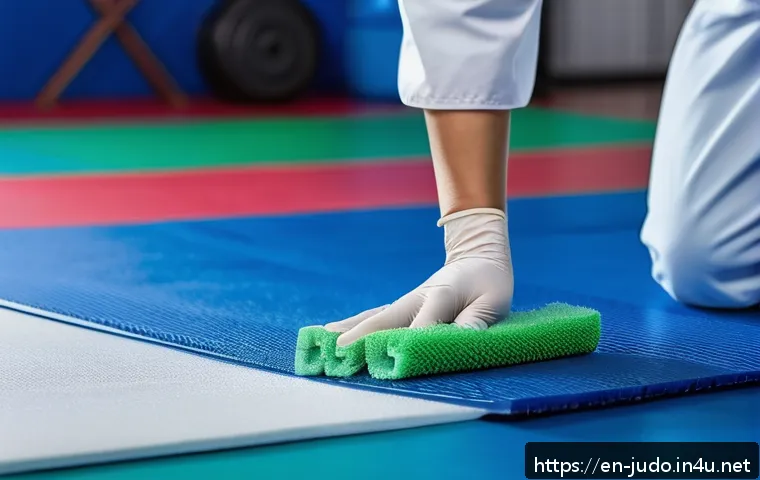
Recently, more gyms and dojos are emphasizing hygiene and mat care as part of their commitment to athlete safety. In this post, I’ll share practical tips that I’ve personally found effective in keeping mats clean, safe, and ready for every throw and grapple.
Stick around to discover how simple habits can elevate your judo experience while protecting both you and your training environment.
Choosing the Right Cleaning Products for Your Judo Mats
Understanding Material Compatibility
When it comes to cleaning judo mats, not all products are created equal. Most judo mats are made from EVA foam or vinyl surfaces that require gentle yet effective cleaning agents.
Harsh chemicals, such as bleach or ammonia-based cleaners, can degrade the mat’s surface, causing it to crack or become slippery over time. From my experience training in multiple gyms, using a mild detergent diluted in warm water works wonders.
It cleans thoroughly without damaging the mat’s texture or grip. Always check the manufacturer’s recommendations before applying any cleaning solution to avoid costly mistakes.
Natural vs. Chemical Cleaners: What Works Best?
I’ve noticed a growing trend of using natural cleaning agents like vinegar or tea tree oil for mat maintenance. These options are not only eco-friendly but also have antimicrobial properties that help reduce bacteria and odor buildup.
However, natural cleaners may require more frequent application compared to commercial disinfectants, which tend to offer longer-lasting protection. In my dojo, we alternate between a gentle commercial mat disinfectant and a homemade vinegar spray, ensuring both safety and freshness without compromising mat integrity.
Proper Dilution and Application Techniques
One of the biggest pitfalls I’ve seen is overusing cleaning agents or applying them undiluted. Too much product can leave a residue that makes mats slippery, increasing the risk of injury during practice.
Using a spray bottle to mist the mat lightly, followed by wiping with a microfiber cloth, is the best approach I’ve found. Letting the mats air dry completely before the next session prevents moisture buildup, which can lead to mold or mildew.
Consistency in following these steps can dramatically improve mat hygiene and durability.
Daily Maintenance Habits to Keep Mats Safe
Routine Sweeping and Spot Cleaning
Sweeping or vacuuming the mats daily before practice helps remove dust, sweat, and debris that accumulate from constant foot traffic. In my experience, even the smallest dirt particles can compromise mat traction, making throws and rolls less stable.
Spot cleaning sweat stains or spills immediately with a damp cloth reduces the chance of bacteria growth. This simple habit, although often overlooked, creates a cleaner and safer training environment for everyone involved.
Encouraging Athlete Hygiene
Maintaining mat cleanliness isn’t just about the surface; it starts with the practitioners themselves. Encouraging athletes to wear clean gi, trim nails, and wash hands before stepping on the mat significantly reduces contamination.
At my gym, we post friendly reminders about hygiene and provide hand sanitizer stations near the entrance. These small behavioral changes, paired with proper mat care, build a culture of safety and respect that benefits all members.
Managing Moisture and Odor
Sweat and moisture are unavoidable during intense judo sessions, but they can accelerate mat wear and create unpleasant odors. Using absorbent towels during breaks and airing out the training area helps keep mats dry.
I also recommend occasional use of deodorizing sprays specifically designed for sports mats. These sprays neutralize odors without leaving a chemical smell, which can be off-putting.
Keeping mats fresh not only protects the material but also makes training more enjoyable for everyone.
Deep Cleaning Techniques for Longevity
Scheduled Intensive Cleaning
Beyond daily upkeep, deep cleaning your judo mats every few weeks or after high-use periods is crucial. This involves using a soft scrub brush with a diluted cleaning solution to remove embedded dirt and sweat residues.
I’ve personally found that this process revitalizes the mat surface, restoring grip and comfort. It’s best to do this when the gym is closed to allow ample drying time and avoid interrupting training schedules.
Disinfecting to Prevent Infections
Judo involves close contact, so mats can harbor bacteria, fungi, and viruses if not properly disinfected. Using EPA-approved disinfectants that are safe for foam and vinyl surfaces is essential.
I always look for products labeled as “sports mat safe” and ensure the contact time recommended on the label is followed strictly. This thorough disinfection routine helps minimize the risk of skin infections like ringworm or staph, which are common concerns in martial arts communities.
Inspection and Repair During Cleaning
Deep cleaning sessions also offer a perfect opportunity to inspect mats for damage such as tears, cracks, or uneven surfaces. I’ve learned that catching these issues early prevents accidents and costly replacements.
Small tears can often be patched with adhesive mats repair kits, extending the lifespan of your investment. Regular inspection during cleaning is a habit that every dojo or gym should adopt to maintain a safe training environment.
Storage and Handling to Preserve Mat Quality
Proper Rolling and Folding Techniques
When mats aren’t in use, how you store them can make a huge difference. Rolling mats loosely rather than folding them prevents creases that weaken the material over time.
I’ve seen dojos where mats folded improperly developed permanent cracks, which not only look bad but also reduce shock absorption. Using straps or ties to keep rolled mats secure helps maintain their shape and makes transportation easier.
Climate Control and Storage Environment
Temperature and humidity levels affect mat durability significantly. Storing mats in a cool, dry place away from direct sunlight prevents warping and fading.
I’ve experienced mats left in hot, humid storage rooms becoming sticky and unpleasant to train on. Investing in dehumidifiers or air conditioning in your storage area can be a game-changer for long-term mat preservation.
Safe Transport Practices
If you need to move mats between locations, handling them with care is key. Avoid dragging mats on rough surfaces or stacking heavy items on top, as these actions can cause abrasions or dents.
During one tournament, I noticed several mats with edge damage caused by improper loading. Using protective covers and padding during transport can prevent such issues and keep mats competition-ready.
Preventing Common Issues That Reduce Mat Performance
Minimizing Slippage and Wear
Slippery mats are a nightmare for any judoka, increasing injury risk and reducing confidence during throws. Regular cleaning to remove sweat and oils is the first step, but I also recommend using anti-slip sprays designed for sports mats.
From my practice, applying these sprays once a month keeps traction consistent without making the surface sticky. Rotating mats periodically to spread wear evenly also helps maintain performance over time.
Dealing with Mold and Mildew
Mold thrives in damp, poorly ventilated areas, and once it appears on mats, it can be tough to eradicate. I’ve dealt with this problem firsthand when mats were left damp overnight.
To combat mold, ensure mats dry completely after use, and consider using mold-resistant sprays or wipes during deep cleaning. If mold does develop, specialized cleaners formulated for sports mats are necessary to remove it safely without damaging the surface.
Addressing Odor Build-up
Persistent odors can make training sessions unpleasant and discourage attendance. Beyond routine cleaning, I’ve found that occasionally sprinkling baking soda on dry mats before vacuuming can absorb lingering smells naturally.
Additionally, keeping the training area well-ventilated and encouraging proper athlete hygiene dramatically reduces odor sources. These small interventions contribute to a fresher, more inviting dojo atmosphere.
Comparison of Cleaning Methods and Their Impact on Mat Care
| Cleaning Method | Effectiveness | Impact on Mat Material | Ease of Use | Cost |
|---|---|---|---|---|
| Mild Detergent & Water | High | Safe for most mats | Simple, requires minimal tools | Low |
| Vinegar & Water Solution | Moderate | Gentle, may require frequent use | Easy to prepare and apply | Very Low |
| Commercial Disinfectants | Very High | Safe if labeled for mats, some may cause residue | Convenient, ready-to-use | Medium |
| Anti-Slip Sprays | Specialized for traction | No damage if used properly | Requires careful application | Medium to High |
| Mold-Resistant Cleaners | High for mold removal | Safe when used as directed | Needs caution and protective gear | Medium |
Involving Everyone in Mat Care Culture
Creating Clear Guidelines and Responsibilities
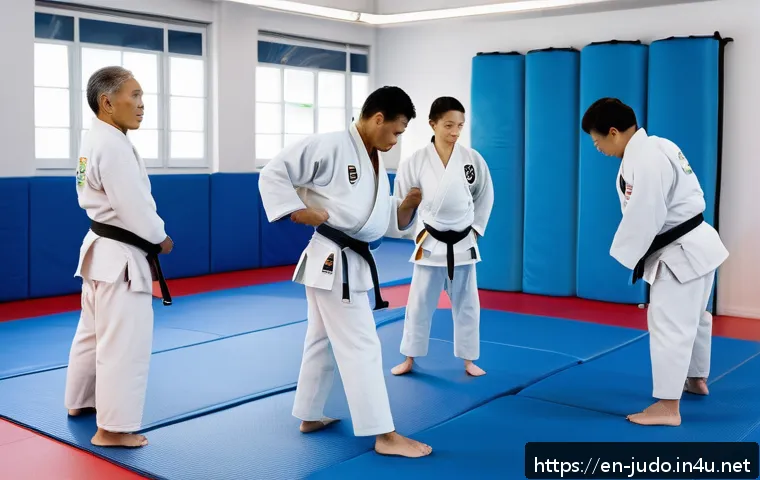
A successful mat maintenance routine thrives on teamwork. When everyone knows their role—whether it’s wiping down mats after practice or reporting damage—the workload becomes manageable and efficient.
I’ve seen dojos post clear cleaning schedules and assign daily tasks to members, which encourages accountability and pride in the training space. This collective effort reduces burnout and keeps mats in top condition.
Educating Newcomers on Mat Etiquette
Introducing beginners to proper mat care from day one sets a respectful tone. Sharing why mat cleanliness matters for safety and longevity helps foster mindful habits.
I often remind new students that their actions impact not only their own health but also their training partners’. This early education prevents careless behavior and promotes a positive dojo environment.
Incentivizing Consistent Care
Motivating practitioners to participate regularly can be challenging, but small rewards or recognition go a long way. At my club, we offer occasional perks—like branded gear or free seminars—to those who consistently help maintain the mats.
This not only boosts morale but also reinforces the importance of mat care as part of being a responsible judoka.
Conclusion
Proper care and cleaning of judo mats are essential to maintain their safety, durability, and performance. By choosing the right products and following consistent maintenance routines, you protect both your investment and the health of everyone training. Remember, a clean mat is the foundation of a safe and respectful dojo environment.
Helpful Tips
1. Always dilute cleaning agents appropriately to avoid damaging the mat’s surface or creating slippery conditions.
2. Incorporate natural disinfectants like vinegar or tea tree oil as eco-friendly alternatives, but balance them with commercial products for long-lasting effects.
3. Encourage good hygiene practices among athletes, such as clean uniforms and hand sanitizing, to reduce contamination risks.
4. Schedule regular deep cleaning and thorough inspections to catch and repair damage early, extending mat life.
5. Store mats in cool, dry areas and use proper rolling techniques to prevent warping, cracks, or other material degradation.
Key Takeaways
Maintaining judo mats requires a combination of proper cleaning methods, athlete participation, and environmental control. Selecting compatible cleaning products protects the mat’s surface while preventing slippage and odor buildup. Regular inspection and timely repairs minimize injury risks and costly replacements. Finally, fostering a culture of shared responsibility among dojo members ensures consistent care and a safer training space for all.
Frequently Asked Questions (FAQ) 📖
Q: uestions about Judo Mat MaintenanceQ1: How often should I clean my judo mats to keep them safe and hygienic?
A: Ideally, judo mats should be cleaned daily, especially in busy gyms or dojos with multiple users. Wiping down the mats with a disinfectant solution after each training session helps prevent the buildup of sweat, bacteria, and germs.
Weekly deep cleaning, including thorough scrubbing and rinsing, is recommended to maintain overall hygiene and mat integrity. From my experience, keeping a regular cleaning schedule not only reduces unpleasant odors but also significantly lowers the risk of skin infections among practitioners.
Q: What cleaning products are safe to use on judo mats without damaging them?
A: It’s important to use cleaning agents that are effective yet gentle on the mat’s surface. I’ve found that a diluted solution of mild soap and water or specialized mat cleaners designed for vinyl or foam surfaces work best.
Avoid harsh chemicals like bleach or abrasive cleaners, as they can degrade the material and cause premature wear. Also, using microfiber cloths or soft mops helps prevent scratches.
Always check the manufacturer’s guidelines to ensure compatibility and prolong your mats’ lifespan.
Q: How can I prevent my judo mats from becoming slippery during training?
A: Slipperiness often results from sweat accumulation or inadequate drying after cleaning. To combat this, make sure mats are wiped dry after each cleaning and between training rounds if necessary.
Improving ventilation in your training area can help mats dry faster. Additionally, some gyms apply anti-slip sprays approved for sports surfaces, which I’ve noticed make a significant difference in grip without compromising mat quality.
Regular maintenance and prompt cleaning after heavy use are key to keeping your mats safe for every throw and grapple.