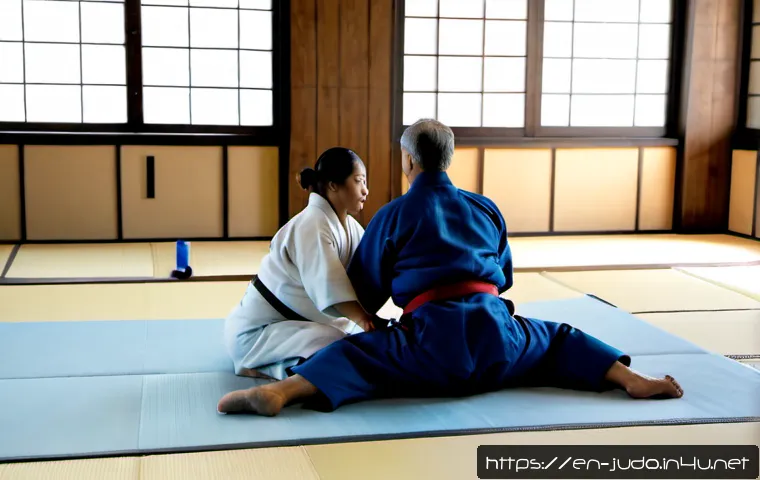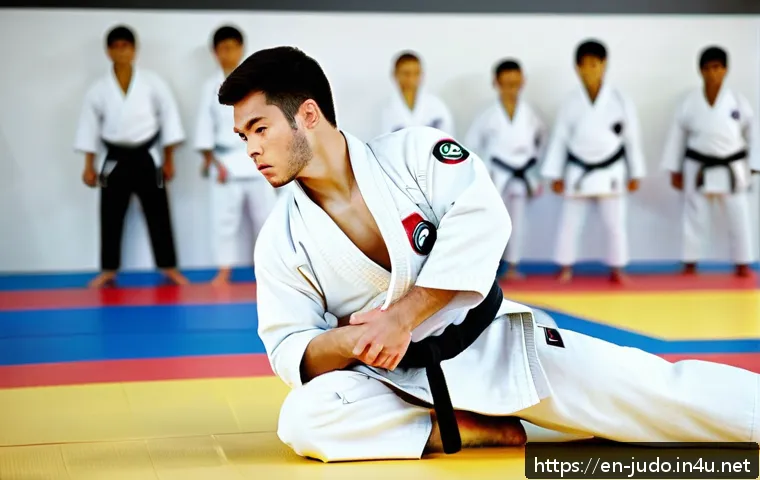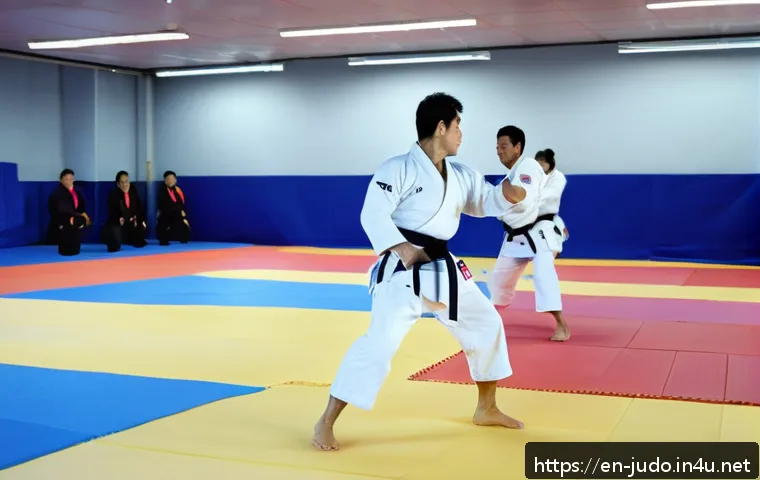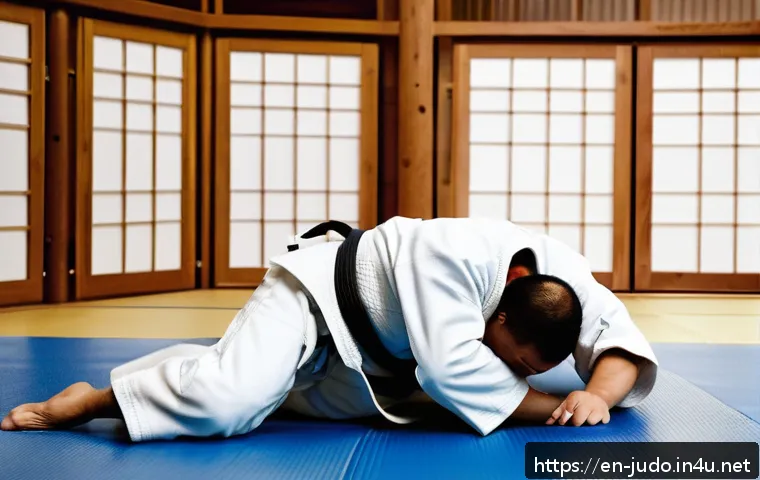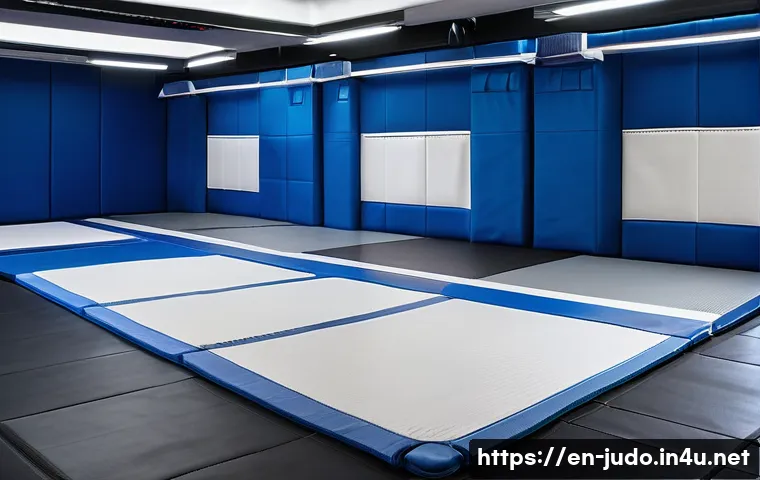
Choosing the right judo mat is more than just picking a soft surface—it’s about safety, performance, and durability. Whether you’re training at a dojo or hosting a competition, the mat’s quality can significantly impact every throw and fall.
Different types of judo mats offer varying levels of cushioning and grip, which are crucial for preventing injuries. With advancements in materials and design, today’s mats provide better shock absorption and ease of maintenance than ever before.
Understanding these options can help you create the perfect training environment. Let’s dive deeper and explore the details below to make the best choice for your needs!
Understanding Cushioning and Impact Absorption
The Role of Density in Mat Performance
Choosing a judo mat with the right density is critical because it directly affects how well the mat absorbs impact. Denser mats provide firmer support, which is ideal for experienced practitioners who need stability during throws and groundwork.
However, if the mat is too hard, it can lead to increased risk of injury, especially during high-impact falls. Softer mats, on the other hand, offer more cushioning but may compromise balance and grip.
From my experience training on different mats, finding a balance between firmness and softness is key to both safety and performance. When shopping for mats, checking the foam density or material composition can give you a good sense of how the mat will perform in real training situations.
How Thickness Influences Safety and Comfort
Thickness is another crucial factor that impacts how a judo mat performs. Thicker mats generally provide better shock absorption, reducing the force transmitted to the body during throws and falls.
However, mats that are too thick might make it harder to maintain balance and affect the responsiveness needed for quick movements. In competitions, regulations often specify a minimum thickness to ensure safety without sacrificing agility.
Personally, I found that a mat thickness between 1.5 to 2 inches offers a great compromise, cushioning falls effectively while still allowing for precise footwork and grip.
It’s also worth noting that thicker mats can be heavier and harder to transport, so consider your usage environment.
Material Innovations Enhancing Shock Absorption
Recent advancements in mat materials have significantly improved shock absorption capabilities. Traditional mats often used EVA foam, which is lightweight but can degrade over time.
Today, many mats incorporate layered foam structures or gel-infused cores that better dissipate impact forces. These innovations not only enhance safety but also increase durability, meaning the mats maintain their cushioning properties longer despite heavy use.
From what I’ve seen in modern dojos, investing in mats with these advanced materials pays off by reducing injury risk and lowering maintenance costs. When possible, testing a mat’s feel firsthand can help you understand how these materials perform under actual training conditions.
Grip and Surface Texture for Optimal Performance
Balancing Traction and Slide
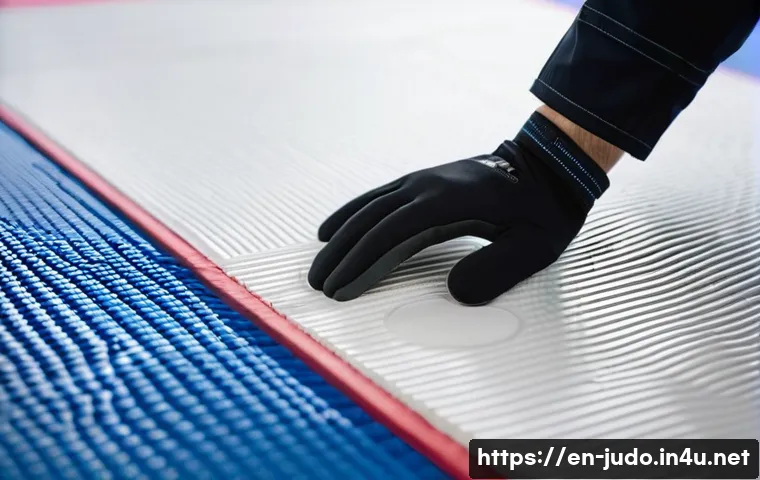
The surface texture of a judo mat plays a vital role in how practitioners move and execute techniques. A mat with too much grip can cause abrasions and hinder smooth transitions, while a slick surface might increase the risk of slipping during throws.
From my experience coaching beginners and advanced players alike, mats with a slightly textured finish strike the best balance. They provide enough traction to prevent slips but still allow for fluid movement.
Some mats use specialized coatings or rubberized surfaces to enhance grip, which is especially helpful in humid or sweaty conditions where slipping becomes a bigger concern.
Durability of Surface Materials
Surface durability is just as important as grip because judo mats endure constant friction and impact. Vinyl-coated mats are popular because they resist tearing and are easy to clean, but lower-quality vinyl can become sticky or brittle over time.
Other mats use polyurethane or hybrid materials that offer better longevity and maintain their texture longer. I’ve personally seen mats that lasted several years in busy training centers without significant wear, thanks to these durable surfaces.
Choosing a mat with a high-quality surface not only protects practitioners but also reduces replacement frequency, saving money in the long run.
Cleaning and Maintenance Considerations
Maintaining a clean mat is essential for hygiene and performance. Mats with smooth, non-porous surfaces are easier to wipe down and disinfect, preventing bacteria and odors from accumulating.
Some mats also feature antimicrobial treatments that inhibit mold and mildew growth. In my dojo, regular cleaning routines became much easier after switching to mats with these features.
However, it’s important to avoid harsh chemicals that can damage the mat’s surface or reduce its grip. Always follow manufacturer guidelines for cleaning, and consider investing in protective covers if the mats are exposed to heavy use or outdoor environments.
Portability and Installation Flexibility
Modular Mats for Easy Setup and Storage
Many training facilities benefit from mats designed in modular sections that can be quickly assembled and disassembled. These interlocking mats are convenient for multi-use spaces where the floor needs to be cleared regularly.
I remember helping set up mats for a tournament where the organizers needed to convert a gym floor back to basketball court within hours—the modular mats made this seamless.
The key is to choose mats with secure locking systems that don’t separate during intense rolling or throwing. This flexibility can also help smaller dojos optimize their limited space by storing mats efficiently when not in use.
Weight and Transportability Factors
The weight of judo mats is a practical concern, especially if you plan to transport them frequently for competitions or seminars. Lightweight mats made from EVA foam are easier to carry but might compromise on durability and cushioning.
Conversely, thicker or denser mats provide better protection but can be bulky and heavy. From personal experience, I recommend balancing these factors by selecting mats that come with carrying cases or handles to simplify transport.
If you’re setting up a permanent dojo, weight may be less of a concern, allowing you to prioritize quality and durability over portability.
Surface Compatibility and Floor Protection
When installing judo mats, the type of floor underneath matters. Some mats are designed with anti-slip bottoms that work well on hardwood, concrete, or tile floors.
Others may require additional underlayments to prevent movement and protect the floor surface. In one dojo I visited, improper mat installation led to shifting during matches, causing safety concerns.
To avoid this, always check compatibility with your flooring and consider rubber or foam underlays if necessary. This also extends the life of both the mats and the floor, reducing maintenance and replacement costs over time.
Comparing Popular Mat Types: Features and Benefits
Foam-Core Mats
Foam-core mats are widely used for their excellent shock absorption and relatively low cost. They typically feature a dense foam interior covered with a durable vinyl surface.
These mats provide a good balance of cushioning and firmness, making them suitable for both beginners and advanced judoka. However, not all foam cores are created equal—some compress quickly under heavy use, reducing their protective qualities.
Based on my experience, investing in high-density foam mats pays off by maintaining performance over time and minimizing injury risks.
Air-Filled Mats
Air-filled mats use internal air chambers to provide cushioning, often adjustable to different firmness levels. While they offer superior shock absorption and can be lighter than foam mats, they require regular maintenance to prevent leaks and punctures.
I’ve tried air mats during a training camp, and while the comfort was impressive, the risk of sudden deflation during intense sessions was a concern. These mats tend to be better suited for specialized training or competitions where portability is prioritized over daily wear resistance.
Hybrid Mats
Hybrid mats combine foam and air technologies or incorporate gel layers to optimize both cushioning and durability. These mats are often premium products designed for high-performance environments.
They offer excellent shock absorption and surface grip but come at a higher price point. From what I’ve observed in elite training centers, hybrid mats significantly reduce fatigue and injury rates among athletes.
If budget allows, they represent the best investment for long-term safety and comfort.
| Mat Type | Shock Absorption | Durability | Portability | Maintenance | Typical Use |
|---|---|---|---|---|---|
| Foam-Core | Good | Moderate | Moderate | Low | Everyday Training |
| Air-Filled | Excellent | Low | High | High | Competitions, Specialized Training |
| Hybrid | Superior | High | Moderate | Moderate | Elite Training, Long-Term Use |
Safety Standards and Certification Insights
Why Certification Matters
Certified mats meet established safety and quality standards that reduce injury risks during practice and competition. Organizations like the International Judo Federation (IJF) have specific criteria for mat thickness, firmness, and surface texture.
Mats that carry these certifications have undergone rigorous testing, which provides peace of mind to instructors and athletes alike. In my years attending judo events, I’ve noticed that certified mats consistently offer better performance and durability than uncertified alternatives.
Choosing certified products also ensures compliance with competition regulations if you plan to host official tournaments.
Key Safety Features to Look For
When evaluating mats, look for features such as fire resistance, anti-slip surfaces, and tear resistance. These elements contribute not only to injury prevention but also to the mat’s longevity.
A fire-resistant mat, for instance, is crucial in public venues to meet safety codes. Anti-slip properties help avoid accidental sliding, especially during fast-paced drills.
From my experience, mats that incorporate multiple safety features often come with a higher upfront cost but save money by avoiding accidents and reducing replacement frequency.
How to Verify Authenticity and Quality
Unfortunately, the market has its share of low-quality mats that claim to meet standards but fall short. To avoid being misled, always purchase mats from reputable suppliers and verify certifications through official channels.
Reading user reviews and seeking recommendations from experienced coaches can also guide you toward trustworthy products. I once encountered mats that deteriorated within months despite certification claims, reinforcing the importance of due diligence.
If possible, request product samples or demonstrations before committing to large purchases.
Long-Term Investment: Durability and Cost Efficiency
Evaluating Initial Cost vs. Lifespan
The upfront price of judo mats can vary widely, but it’s important to consider the total cost of ownership. Cheaper mats might save money initially but wear out quickly, requiring frequent replacements.
On the other hand, higher-quality mats with advanced materials and certifications often last years, making them more cost-effective in the long run. From managing my own dojo, I learned that investing a bit more in durable mats pays dividends by reducing downtime and maintenance expenses.
Repair and Replacement Options
Some mats come with repair kits or offer warranties that cover damage like tears or compression loss. This can extend the mat’s usable life and protect your investment.
I’ve repaired vinyl surfaces and replaced foam layers on mats multiple times, which helped avoid costly replacements. However, not all mats are designed for easy repair, so it’s worth confirming these options before purchase.
Understanding the manufacturer’s policies and available support can save headaches down the road.
Maximizing Mat Longevity Through Care
Proper care routines significantly extend a mat’s lifespan. Regular cleaning, avoiding exposure to extreme temperatures, and using protective covers during downtime help maintain the mat’s integrity.
In my dojo, instituting a weekly cleaning schedule and educating members on proper use reduced wear and tear noticeably. Additionally, rotating mats or sections can prevent uneven compression.
These small efforts not only keep the training environment safe but also enhance the overall experience for everyone involved.
Environmental and Health Considerations
Eco-Friendly Materials and Sustainability
As environmental awareness grows, many manufacturers now offer mats made from recycled or biodegradable materials. These options reduce the ecological footprint of training facilities and appeal to eco-conscious practitioners.
While eco-friendly mats might cost a bit more, supporting sustainable products aligns with broader efforts to protect our planet. I’ve seen gyms proudly display their commitment to sustainability by choosing green mats, which also fosters a positive community image.
Non-Toxic and Hypoallergenic Properties
Health-conscious users should consider mats free from harmful chemicals like phthalates or heavy metals. Non-toxic mats reduce the risk of allergic reactions or respiratory issues, especially in enclosed spaces where ventilation might be limited.
From personal experience, switching to hypoallergenic mats improved air quality in the dojo, making training more comfortable for everyone. Always check product labels or ask suppliers about material safety certifications to ensure a healthy training environment.
Odor and Off-Gassing Concerns
Some mats, especially those made from synthetic materials, can emit strong odors when new, known as off-gassing. This can be unpleasant and potentially irritating to sensitive individuals.
Ventilating the training area and allowing mats to air out before use can minimize these effects. In my early days working with mats, I recall a few brands with noticeable chemical smells that deterred athletes.
Opting for mats with low VOC (volatile organic compounds) emissions improves comfort and overall satisfaction.
Customization and Aesthetic Options
Color Choices and Branding Opportunities
Custom colors and logos on judo mats can enhance dojo identity and create a professional atmosphere. Many manufacturers offer customization services, allowing you to incorporate school colors or sponsor logos.
This not only boosts morale but can also help attract new members by presenting a polished, cohesive look. I once helped design mats for a regional tournament where the vibrant colors and branding made the event feel more official and exciting for participants.
Size and Shape Flexibility
While standard mat sizes suit most training spaces, custom dimensions and shapes can optimize your facility layout. Whether you need mats to fit unusual room shapes or want to create distinct zones for different activities, customization is available.
From experience, customized mats help maximize usable space and improve traffic flow during busy classes. Discussing your specific needs with suppliers early in the process ensures the best fit and function.
Additional Features: Markings and Borders
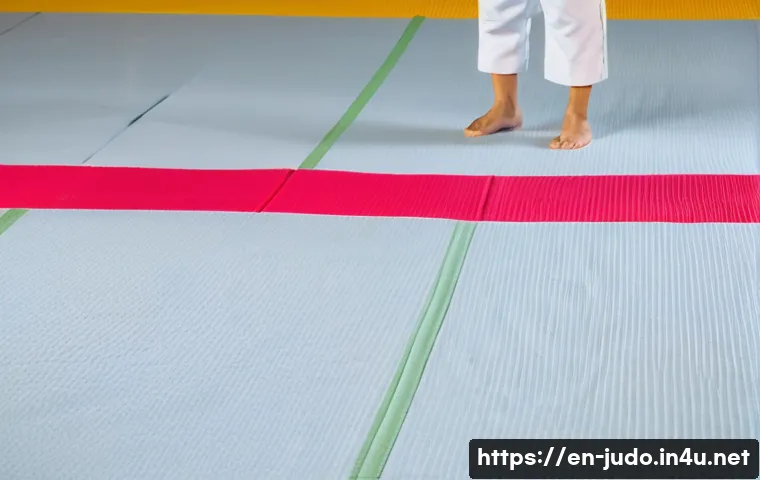
Some mats come with pre-printed markings or borders that help define competition areas or training zones. These visual aids are invaluable for referees and athletes during tournaments and also assist in organizing practice sessions.
I’ve found that clear boundary markings reduce confusion and keep matches running smoothly. If your facility hosts competitions, investing in mats with these features can elevate the professionalism of your events.
Choosing the Right Supplier and Warranty Considerations
Evaluating Supplier Reputation and Support
A reliable supplier can make all the difference when purchasing judo mats. Look for companies with strong customer service, positive reviews, and expertise in martial arts equipment.
I’ve dealt with suppliers who provided excellent after-sales support, helping resolve issues quickly and offering valuable advice on maintenance. Establishing a good relationship with your supplier ensures you receive timely assistance, warranties, and replacement parts when needed.
Understanding Warranty Coverage
Warranties vary significantly between manufacturers, covering different aspects like foam compression, surface wear, or defects. Carefully reviewing these terms before purchase protects you from unexpected costs.
In my experience, mats with comprehensive warranties often reflect higher confidence from the manufacturer in product quality. Keep all purchase documentation and report any issues promptly to take full advantage of warranty benefits.
Delivery and Installation Services
Some suppliers offer delivery and professional installation, which can simplify the setup process, especially for large or complex mat configurations.
This service reduces the risk of improper installation that could compromise safety or performance. When I coordinated a dojo renovation, having experts handle mat installation saved time and ensured everything met competition standards.
Consider this option if you lack experience or resources for proper installation.
Conclusion
Choosing the right judo mat involves balancing factors like cushioning, grip, durability, and portability to ensure both safety and performance. Through personal experience and research, I’ve found that investing in quality mats with proper certifications pays off in the long run. Whether for training or competition, understanding these key elements helps create a safer and more effective practice environment.
Useful Information to Keep in Mind
1. Always check the foam density and thickness to find a mat that balances cushioning with stability for your specific needs.
2. Look for mats with durable, easy-to-clean surfaces that maintain grip even under sweaty conditions.
3. Modular mats offer great flexibility for spaces that need frequent setup and storage changes.
4. Verify certifications and safety features to ensure compliance with competition standards and injury prevention.
5. Regular maintenance and proper cleaning routines significantly extend the lifespan and performance of your mats.
Key Takeaways
Selecting judo mats requires careful consideration of impact absorption, surface traction, and material quality to optimize safety and training efficiency. Prioritize mats that meet recognized safety standards and offer durability to reduce long-term costs. Additionally, factor in portability and ease of maintenance to fit your facility’s unique demands. Ultimately, investing time and resources into high-quality mats enhances athlete comfort, performance, and injury prevention.
Frequently Asked Questions (FAQ) 📖
Q: What factors should I consider when choosing a judo mat for my dojo or competition?
A: When selecting a judo mat, safety tops the list—look for mats with excellent shock absorption to minimize injury risk during throws and falls. The mat’s thickness and density play a huge role here; typically, mats around 4 to 5 cm thick with high-density foam offer the best protection.
Grip is equally important to prevent slipping, so choose mats with a non-slip surface texture. Durability matters too, especially for high-traffic areas—materials like EVA foam or vinyl-coated mats tend to last longer and resist wear.
Lastly, consider ease of cleaning and maintenance, as hygiene is crucial in shared training spaces.
Q: How do different judo mat materials affect performance and safety?
A: Different materials provide varying cushioning and traction, which directly impact both performance and safety. For example, EVA foam mats are popular because they balance softness with firm support, reducing the chance of injuries without compromising stability during movement.
Vinyl-coated mats are durable and easy to clean but can sometimes be a bit slippery if not textured properly. Some mats use layered foam technology to absorb shocks better, which can be a game-changer for intense training sessions.
Choosing the right material depends on your specific needs—training frequency, level of competition, and budget all factor into the decision.
Q: Can investing in a high-quality judo mat really make a difference in injury prevention?
A: Absolutely. From my experience and what many coaches emphasize, a high-quality mat significantly reduces the impact forces your body endures during throws and falls.
Lower-quality mats may feel soft initially but tend to compress quickly, offering less protection over time. This can lead to more joint strain or bruising.
On the other hand, premium mats maintain their cushioning and grip longer, which means safer practice sessions and less downtime due to injuries. It might feel like a big upfront cost, but the peace of mind and improved training quality make it well worth the investment.