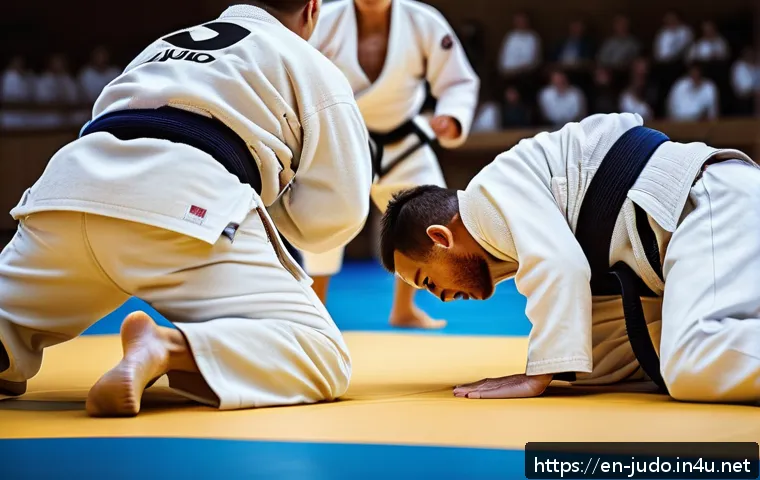
With the recent surge in global interest around martial arts, judo has captured the spotlight like never before. Whether you’re a seasoned fan or new to the sport, understanding the nuances behind each move can completely transform your viewing experience.
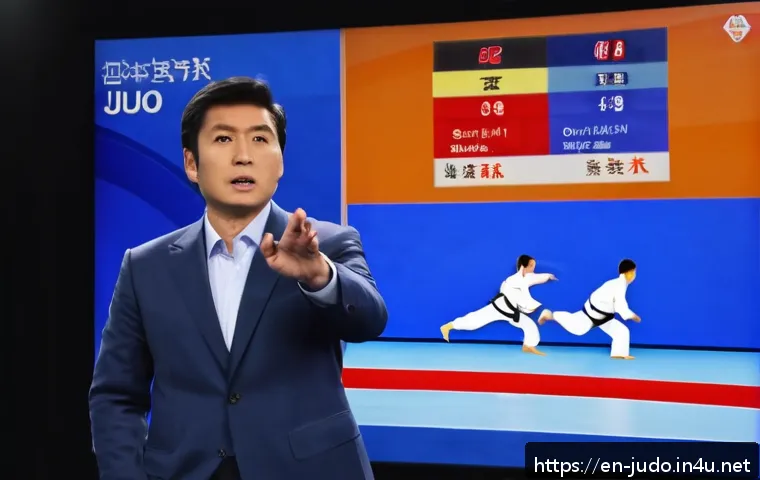
That’s where expert judo commentators come in—they don’t just narrate the action, they decode the strategy, technique, and mindset of the athletes in real time.
In this post, I’ll take you inside the mind of a judo commentator and reveal how their insights elevate every match from a simple contest to a thrilling chess game of physical skill.
Stick around, because once you see judo through their eyes, you’ll never watch it the same way again.
Unlocking the Tactical Depth Behind Every Throw
Reading the Opponent’s Intentions
When a judo match kicks off, the first few seconds can feel like a subtle dance rather than a full-on battle. Expert commentators don’t just see two athletes circling each other—they spot the slight shifts in posture, the way one competitor grips the gi, or how their eyes dart to anticipate the next move.
These tiny clues reveal intentions long before a throw is attempted. I’ve noticed that the most insightful commentators mention these early moments, helping viewers sense the tension building beneath the surface.
It’s a bit like watching a grandmaster in chess setting up traps several moves ahead. You suddenly realize that what looks like waiting is actually a strategic setup for a game-changing technique.
Spotting the Perfect Moment to Strike
Timing is everything in judo, and commentators often highlight how athletes patiently wait for their opponent to expose a weakness. For example, when a judoka shifts weight slightly forward or opens a grip, it’s a green light for an immediate counterattack.
The best commentators narrate this in real time, pointing out how split-second decisions can mean the difference between a clean ippon and a failed attempt.
From my experience watching live events, those moments when the commentator’s voice quickens with excitement are the exact moments when the match pivots dramatically, adding a whole new layer of thrill to the viewing experience.
Decoding Complex Techniques in Real Time
Some judo throws look deceptively simple but require intricate coordination and balance. Commentators who have a deep understanding break down these moves step-by-step.
They’ll explain how a throw like “uchi mata” isn’t just about lifting but also about twisting the hips and controlling the opponent’s center of gravity.
This real-time analysis helps casual viewers appreciate the skill level involved and keeps seasoned fans engaged by revealing nuances they might have missed.
I recall one match where the commentator’s detailed explanation of a “seoi nage” throw completely changed how I perceived the athlete’s mastery—it was like unlocking a secret code.
How Judging Criteria Shape the Commentary
Understanding Scoring and Penalties
A big part of judo commentary revolves around explaining the scoring system and penalties, which can be confusing to new viewers. Expert commentators clarify why a particular throw earns an ippon (full point), waza-ari (half point), or just a yuko (minor advantage).
They also discuss penalties like shido, which can tip the balance of a close match. From my perspective, having this insight in the commentary transforms the match from a series of random moves into a strategic battle where every action has consequences.
It’s like watching a sport with an invisible scoreboard finally revealed.
Highlighting Tactical Fouls and Warnings
Judges often penalize tactics like passivity or illegal grips, and commentators make sure viewers understand these subtle infractions. For instance, a competitor might receive a shido for avoiding engagement or using forbidden hand placements.
Commentators explain the rationale behind these decisions, which not only educates but also builds suspense as the match approaches the critical final moments where penalties might decide the winner.
I’ve found that this layer of explanation adds a thrilling edge to the viewing experience, especially during tight contests.
The Impact of Referee Decisions on Momentum
Judges’ calls can dramatically shift the momentum of a judo match, and commentators are quick to narrate these turning points. When a referee awards a decisive score or issues a penalty, it often changes how athletes approach the rest of the bout.
Good commentators capture this shift, noting how fighters might become more aggressive or cautious. Watching matches where the commentary highlights these psychological changes has helped me understand that judo isn’t just physical but also a mental game heavily influenced by official rulings.
Mastering the Language of Judo: Terms and Techniques Explained
Breaking Down Common Judo Vocabulary
Judo has its own unique lexicon that can intimidate newcomers. Terms like “osoto gari,” “kuzushi,” or “ne waza” might sound foreign, but expert commentators seamlessly weave these words into their narration while explaining them in context.
This method helps viewers learn terminology naturally, making the sport more accessible. I appreciate when commentators avoid jargon overload and instead use clear analogies or demonstrations to bring these terms to life.
Demonstrating Techniques Visually
Some commentators supplement their explanations with slow-motion replays or on-screen graphics, which I find incredibly helpful. Seeing the exact moment a grip changes or the pivot of the hips deepens understanding beyond words alone.
This multi-sensory approach keeps viewers engaged and often sparks curiosity to learn more about judo techniques. From my experience, the combination of verbal explanation and visual aids turns a complex sport into an enjoyable learning experience for all levels.
Connecting Techniques to Athlete Styles
Every judoka has a personal style—some favor aggressive throws, others excel at groundwork. Commentators bring these styles to life by linking specific techniques to an athlete’s background or personality.
For example, a judoka known for explosive “tai otoshi” throws might be described as a risk-taker who thrives under pressure. This storytelling angle adds drama and human interest, making the match feel more than just a technical contest.
I’ve noticed that this connection helps viewers root for athletes and become more invested emotionally.
Physical and Mental Conditioning: Insights Beyond the Mat
Recognizing Signs of Fatigue and Stress
Commentators often spot when athletes begin to tire or lose focus, which can be subtle but critical. Slower reaction times, shallow breathing, or tense grips signal that the physical and mental toll of the match is mounting.
These observations enrich the viewing experience by highlighting the endurance aspect of judo. I remember one match where the commentator’s notes on fatigue helped me appreciate the sheer stamina required—these athletes are pushing their limits in real time.
Highlighting Pre-Match Rituals and Mindsets
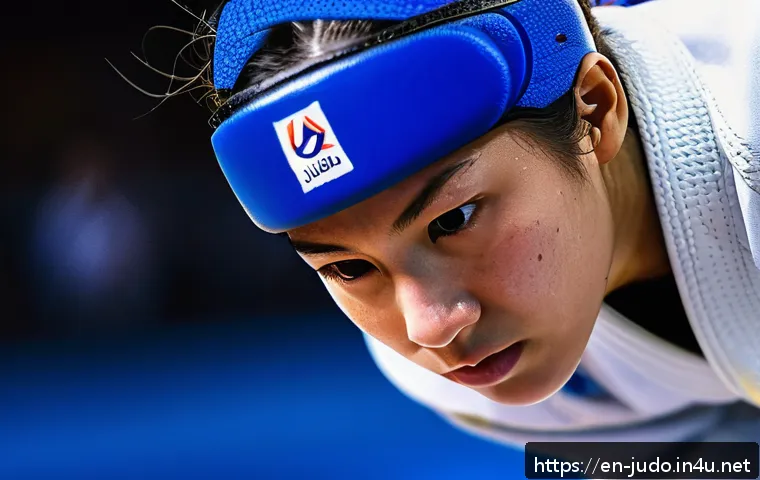
Before the first grip, commentators sometimes share insights about an athlete’s preparation, rituals, or mindset. Whether it’s a deep breath, visualization techniques, or motivational mantras, these details humanize the competitors and build a narrative around their mental toughness.
From what I’ve seen, this behind-the-scenes glimpse adds emotional depth and makes every victory or defeat feel more personal and impactful.
Exploring Recovery and Injury Management
Injuries are part and parcel of any combat sport, and commentators often touch on how athletes manage pain or recover quickly between rounds. Understanding this aspect reveals the resilience and professionalism required at the highest level.
Once I realized how much strategy goes into pacing oneself and managing minor injuries during matches, I gained a new respect for the sport’s physical demands.
How Commentary Enhances Viewer Engagement and Learning
Building Suspense Through Storytelling
Great commentators don’t just relay facts; they tell stories. They build suspense by highlighting rivalries, past encounters, or a competitor’s comeback journey.
This narrative approach hooks viewers emotionally, making every match feel like a chapter in a larger saga. I’ve often found myself on the edge of my seat, not just for the technical brilliance but because I’m invested in the unfolding story.
Encouraging Interaction and Community
Many judo broadcasts now incorporate viewer questions or social media interactions, with commentators responding live. This two-way engagement creates a sense of community and makes the experience more dynamic.
I personally enjoy when commentators address common questions or explain controversial moments, as it invites viewers into the conversation rather than leaving them as passive spectators.
Using Humor and Relatable Analogies
To keep things light and accessible, commentators sometimes use humor or everyday analogies. Comparing a judo throw to a dance move or a chess tactic helps demystify complex actions.
I remember laughing during a broadcast when a commentator joked about the “grip fight” sounding like a tug-of-war between siblings. These moments make the sport feel approachable and enjoyable for viewers of all ages.
Essential Techniques and Scoring at a Glance
| Technique | Description | Scoring Impact |
|---|---|---|
| Ippon | A perfect throw or hold that immediately ends the match | Full point; match ends |
| Waza-ari | A nearly perfect throw or hold, significant but not match-ending | Half point; two waza-ari equal one ippon |
| Shido | Minor penalty for rule infractions such as passivity or illegal grips | Penalty; accumulation can lead to disqualification |
| Osaekomi | Pinning the opponent on their back for 20 seconds | Can score ippon if held long enough |
| Ne Waza | Ground techniques including pins, chokes, and joint locks | Scoring varies depending on control and submission |
Balancing Tradition and Modern Strategy in Commentary
Respecting Judo’s Roots While Embracing Innovation
Judo is steeped in tradition, and commentators often remind viewers of its origins and principles like “maximum efficiency” and “mutual welfare.” However, modern judo has evolved with new rules and techniques, and commentary reflects this balance.
I’ve noticed that the best commentators pay homage to the sport’s philosophy while celebrating innovative tactics that keep judo fresh and exciting.
Adapting Commentary for Different Audiences
Whether addressing hardcore judo enthusiasts or casual viewers, commentators adjust their language and depth of analysis accordingly. This flexibility ensures everyone feels included and informed.
From watching various broadcasts, I’ve learned that engaging commentary is about reading the room—too much jargon alienates beginners, while too little detail disappoints experts.
Highlighting the Global Growth of Judo
Commentators frequently point out how judo has expanded worldwide, showcasing athletes from diverse countries and backgrounds. This global perspective enriches the narrative and celebrates the sport’s unifying power.
It’s inspiring to hear stories of judokas overcoming cultural and economic barriers, adding a human element that resonates beyond the mat.
In Conclusion
Judo commentary offers a fascinating window into the sport’s rich tactical and mental layers. It transforms what may seem like simple movements into a captivating story of strategy, skill, and endurance. By understanding the nuances behind every throw and decision, viewers gain a deeper appreciation for this dynamic martial art. Watching with informed commentary truly elevates the experience from mere observation to active engagement.
Useful Information to Keep in Mind
1. Judo’s unique terminology is easier to grasp when explained in context, making the sport more accessible for newcomers.
2. Timing and reading an opponent’s intentions are crucial skills that can turn the tide of a match instantly.
3. Referee decisions and penalties play a significant role in shaping the flow and outcome of a contest.
4. Physical and mental conditioning are just as important as technique, highlighting the endurance and resilience of athletes.
5. Engaging commentary that balances tradition with modern tactics helps viewers connect emotionally and intellectually with the sport.
Key Takeaways
Effective judo commentary bridges the gap between casual viewers and experts by breaking down complex techniques and scoring in real time. It highlights the strategic depth behind every movement and decision, enriching the viewing experience. Understanding the interplay of physical skill, mental toughness, and official rulings provides a comprehensive perspective on judo as both a sport and an art. Ultimately, commentary that tells stories and connects with audiences enhances appreciation and fosters a vibrant judo community worldwide.
Frequently Asked Questions (FAQ) 📖
Q: uestionsQ1: How do judo commentators enhance the viewing experience beyond just describing the moves?
A: Judo commentators bring matches to life by explaining the strategy and technique behind each move. They break down the athletes’ mindset, positioning, and tactical choices, turning what might seem like simple throws or holds into a fascinating mental and physical battle.
From my own experience watching with expert commentary, it’s like watching a high-stakes chess game unfold in real time—suddenly every grip and shift in balance holds deeper meaning.
Q: What kind of knowledge or expertise do judo commentators typically have?
A: Most expert judo commentators have a solid background in the sport themselves, often as former competitors or coaches. This firsthand experience allows them to recognize subtle details that casual viewers miss, such as grip fighting nuances, timing, and the psychological pressure athletes face.
Their deep understanding lends authenticity and authority, helping audiences appreciate the complexity and skill involved at the highest level.
Q: Can understanding commentary help someone new to judo learn the sport better?
A: Absolutely. Listening to insightful commentary can be incredibly educational for beginners. It guides you through the rules, explains why certain techniques work in specific situations, and highlights common mistakes.
Personally, I found that following expert commentary made me more engaged and confident in spotting techniques and anticipating moves during matches. It’s like having a personal coach narrate the action, making learning both fun and effective.